

Can you still file your taxes for free in 2026? Yes, and you have more options than you might think. While the IRS Direct File program launched in 2024 was discontinued by the Trump administration, at least six free filing paths remain available to most taxpayers. The IRS Free File program covers guided software for incomes under $89,000, but that is just the starting point. VITA and TCE volunteers, MilTax for military families, IRS Free File Fillable Forms for any income level, and free commercial options like Cash App Taxes and FreeTaxUSA's free federal filing all ensure you never need to pay for basic tax preparation.
Tax season officially opened January 26, 2026, and you have until April 15, 2026, to file your 2025 return. With several new deductions available this year, including no tax on tips and no tax on overtime, getting your filing right matters more than ever. This guide covers the full landscape of every free filing method available, from IRS-partnered software to volunteer programs to state-level options, so you can choose the path that fits your situation.
Your Four Free Filing Options
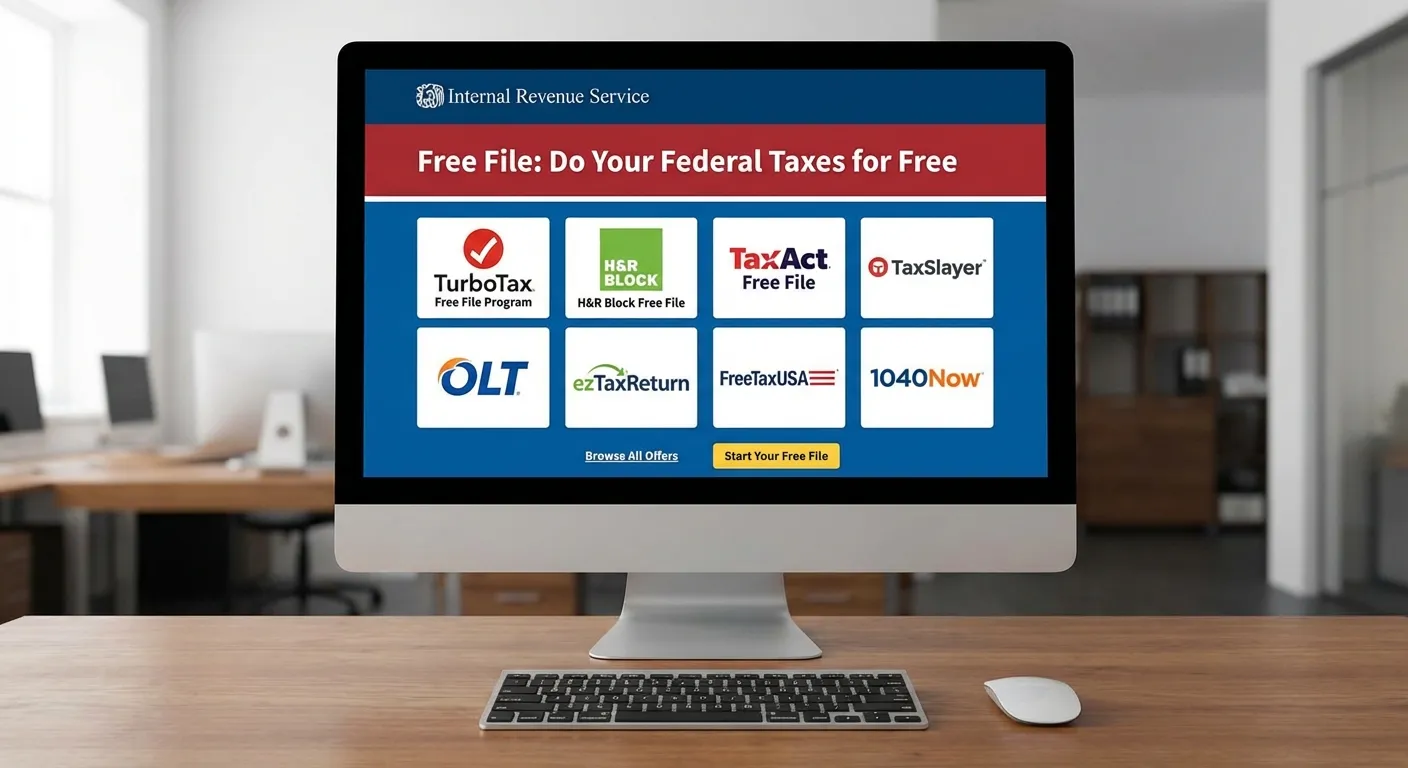
IRS Free File remains the primary free option for most taxpayers. According to the IRS, roughly 70% of all taxpayers qualify for Free File based on the $89,000 AGI threshold. If your AGI was $89,000 or less in 2025, you qualify to use guided tax preparation software from participating companies like TaxAct and TaxSlayer at no cost. These are the same products companies sell commercially, just offered free through the IRS partnership.
To access IRS Free File, go directly to IRS.gov/freefile. Don't search for "free tax filing" and click on commercial sites, as they'll often try to upsell you to paid versions. Starting from the IRS website ensures you get the genuinely free version.
IRS Free File Fillable Forms offers a different approach. This option provides electronic versions of paper tax forms that you fill out yourself. There's no guided interview process or hand-holding. You need to know which forms you need and how to complete them. The advantage: no income limit. Anyone can use it regardless of how much they earned.
Free File Fillable Forms opened January 26 and runs through October 15, 2026. It's best suited for people with straightforward tax situations who are comfortable reading IRS instructions. If you've filed paper returns before and just want an electronic equivalent, this works well.
MilTax serves military members, veterans, and their families. The Department of Defense provides this free return preparation and e-filing software regardless of income. If you qualify, MilTax handles military-specific tax situations like combat pay, moving expenses, and multiple state filings that commercial software often charges extra for.
VITA and TCE provide free in-person tax help. Volunteer Income Tax Assistance, which the IRS reports served over 2.5 million taxpayers in recent years, targets people with lower incomes (generally under $67,000), disabilities, or limited English proficiency. Tax Counseling for the Elderly, run in partnership with AARP Foundation Tax-Aide, focuses on taxpayers 60 and older. Both programs offer help from IRS-certified volunteers who prepare and file your return at no cost.
Cash App Taxes (formerly Credit Karma Tax) offers completely free federal and state filing with no income limits. Unlike IRS Free File partners, Cash App Taxes doesn't restrict eligibility based on AGI. It supports most common tax situations including itemized deductions, self-employment income, and the new Schedule 1-A deductions.
FreeTaxUSA provides free federal filing for all income levels, with state returns available for $14.99. The software handles complex situations including investments, rental income, and the new 2025 deductions.
State-specific free filing programs exist in many states. For example, California's CalFile, New York's Free File program, and several other states offer their own free filing portals for state returns. Check your state's tax agency website for options that can pair with free federal filing.
If you're also working to maximize your tax refund this year, knowing which deductions to claim is just as important as choosing the right filing method.
What Changed This Year
The biggest change is IRS Direct File's absence. This pilot program let taxpayers in participating states file simple returns directly with the IRS, no third-party software needed. The Trump administration ended the program, citing costs and overlap with existing options. If you used Direct File last year, you'll need to choose a different method this time.
Several new deductions require attention. The "One, Big, Beautiful Bill" enacted new tax breaks you'll claim on Schedule 1-A, a new form this year. The no tax on tips deduction exempts tip income from federal taxation. No tax on overtime does the same for overtime pay. No tax on car loan interest adds yet another deduction. Seniors also get an enhanced deduction. Understanding the standard deduction for 2026 helps you decide whether to itemize or take the standard amount alongside these new breaks.
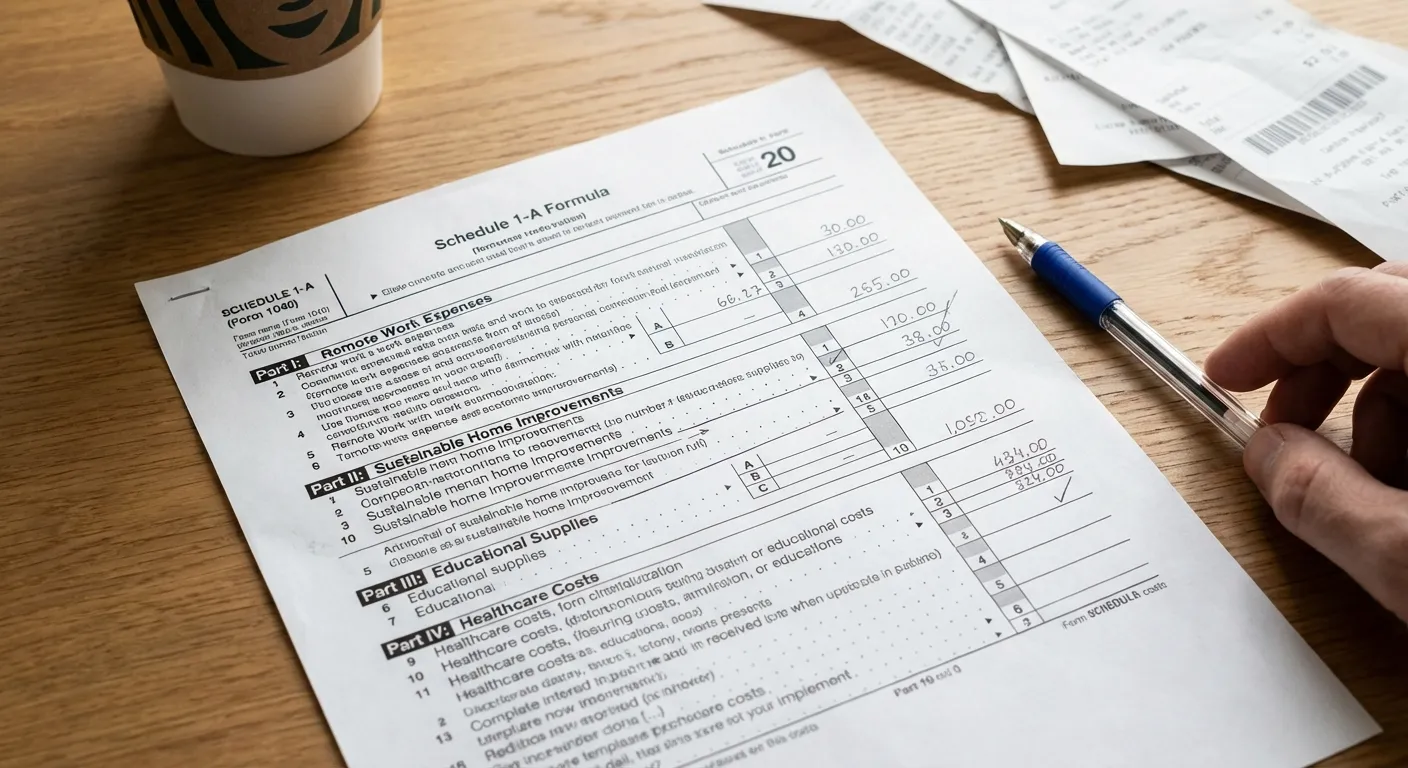
These new deductions mean more complexity in an otherwise simple return. If you earned tips, overtime, or paid car loan interest, make sure your chosen free filing software supports Schedule 1-A. The IRS Free File partners have been updated to handle these new provisions, but verify before you start.
Another change: the IRS is phasing out paper refund checks. An executive order on modernizing payments means direct deposit is now strongly encouraged. If you don't have a bank account, the IRS recommends opening one specifically to receive your refund. Second-best options include prepaid debit cards that accept direct deposits.
How to Choose the Right Option
Choose IRS Free File if: Your income is $89,000 or less and you want guided software that walks you through the process. This is the best option for most people. The software asks questions and fills in forms based on your answers, similar to TurboTax or H&R Block.
Choose Free File Fillable Forms if: You're comfortable with tax forms and want to fill them out yourself, or your income exceeds $89,000. This requires more tax knowledge but works for anyone.
Choose MilTax if: You're active-duty military, a veteran, or a military family member. The military-specific expertise makes it worth using even if you'd otherwise qualify for IRS Free File.
Choose VITA/TCE if: You want in-person help from a real human. These programs are especially valuable if you have questions, need assistance with documentation, or prefer face-to-face interaction over software.
Common Free Filing Mistakes to Avoid
Going directly to commercial sites instead of starting at IRS.gov. Companies like TurboTax and H&R Block offer free versions through IRS Free File, but their commercial websites often steer you toward paid products. Always start at the IRS website.
Missing the income threshold. The AGI limit for Free File applies to the tax year you're filing for (2025), not your current income. Check your 2025 income before assuming you qualify.
Ignoring state taxes. Federal filing is free, but some states charge for returns even through Free File partners. Check whether your state return is included or costs extra.
Starting over unnecessarily. If you begin a return with one Free File partner and it's not working for you, some allow you to switch to a different partner. You don't always have to start completely fresh.
Key Dates to Remember
January 26, 2026: IRS begins accepting 2025 tax returns. Free File Fillable Forms available.
April 15, 2026: Deadline to file your return and pay any tax owed. Missing this deadline triggers penalties and interest on unpaid amounts.
October 15, 2026: Extended deadline if you filed for an extension. Free File Fillable Forms available until this date.
Key Takeaways
Between IRS-partnered software, fillable forms, military programs, volunteer services, and free commercial options, virtually every taxpayer has at least one way to file without paying. The key is matching the right option to your situation based on income level, comfort with tax forms, and whether you prefer guided software or in-person help.
Even with the loss of IRS Direct File and the added complexity of new Schedule 1-A deductions, every free option covered above has been updated to handle this year's changes. Start at IRS.gov/freefile for the official program, or explore Cash App Taxes and FreeTaxUSA if you need free filing without income restrictions. Whatever method you choose, make sure you understand what happens if you don't file taxes by the April deadline.
Sources
- IRS Free File: Do Your Federal Taxes for Free - Internal Revenue Service
- Free Tax Return Preparation for Qualifying Taxpayers (VITA/TCE) - Internal Revenue Service
- FreeTaxUSA Free Federal Tax Filing - FreeTaxUSA
- AARP Foundation Tax-Aide - AARP Foundation
- Cash App Taxes - Cash App