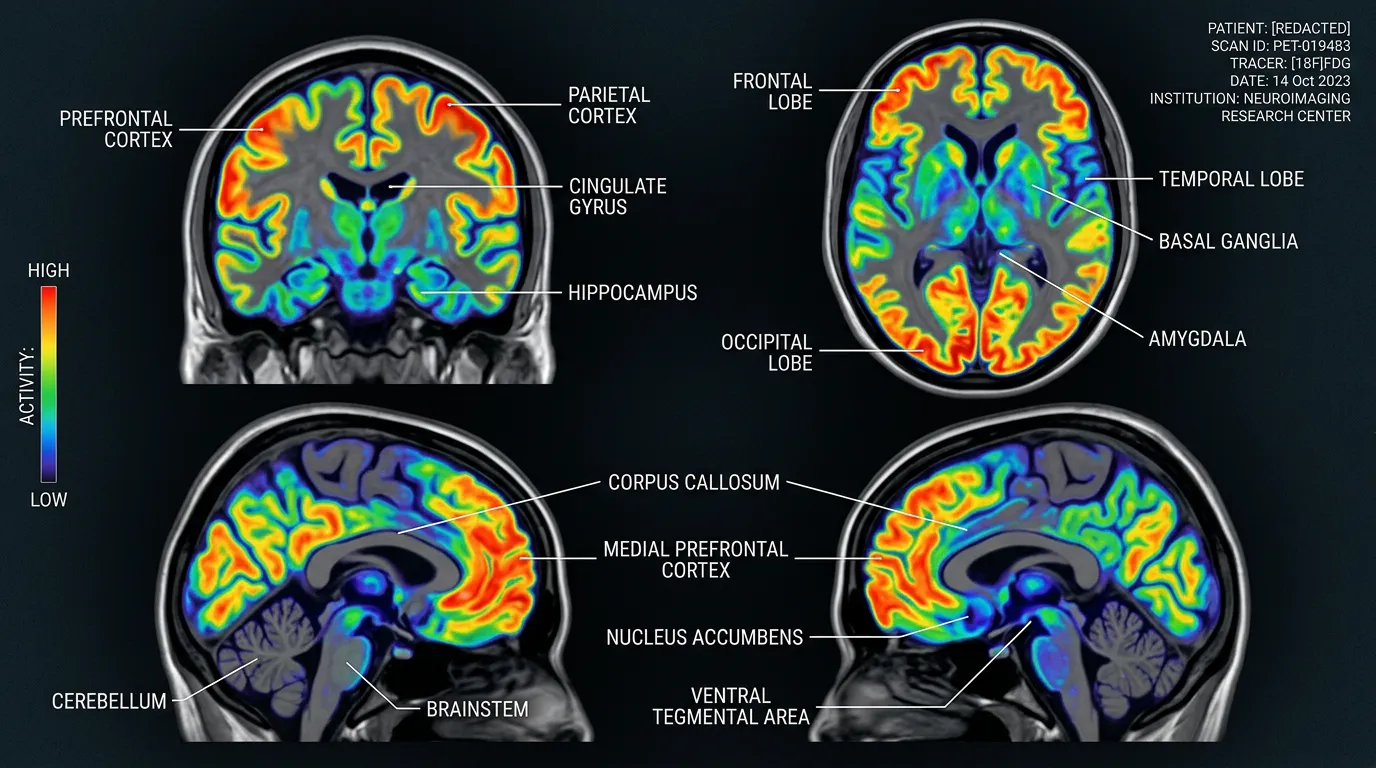
Scientists Can Now Watch Ketamine Reshape a Depressed Brain in Real Time
A PET imaging study reveals how ketamine changes receptor density across specific brain regions, offering the first clear map of why the drug works so fast.
Casey Cooper·

Latest science articles and coverage
12 articles
A PET imaging study reveals how ketamine changes receptor density across specific brain regions, offering the first clear map of why the drug works so fast.

The oldest known cremation in Africa, discovered at Mount Hora, reveals a ritual so elaborate it rewrites our understanding of Stone Age communities and their relationship with death.
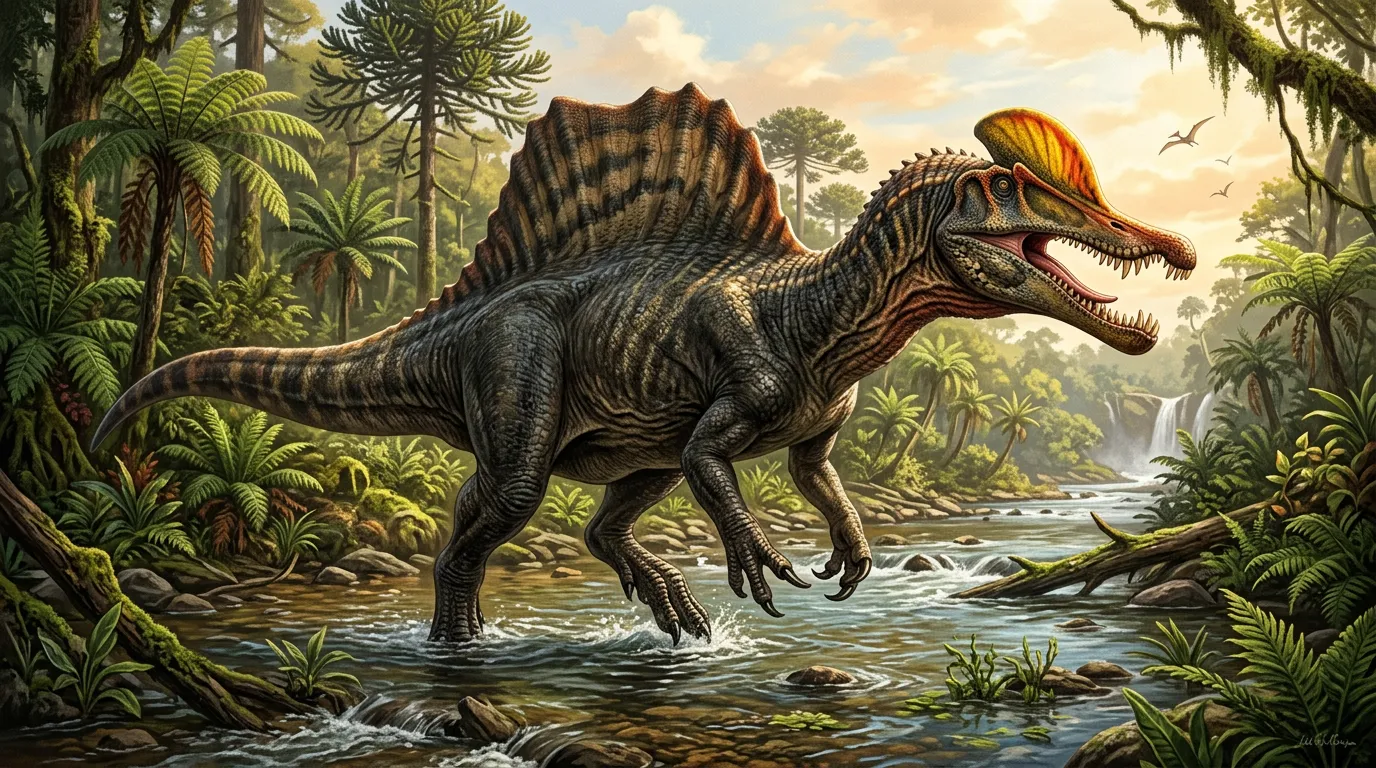
A 95-million-year-old predator with the tallest head crest of any dinosaur has been found deep in the Sahara, far from any ancient ocean.
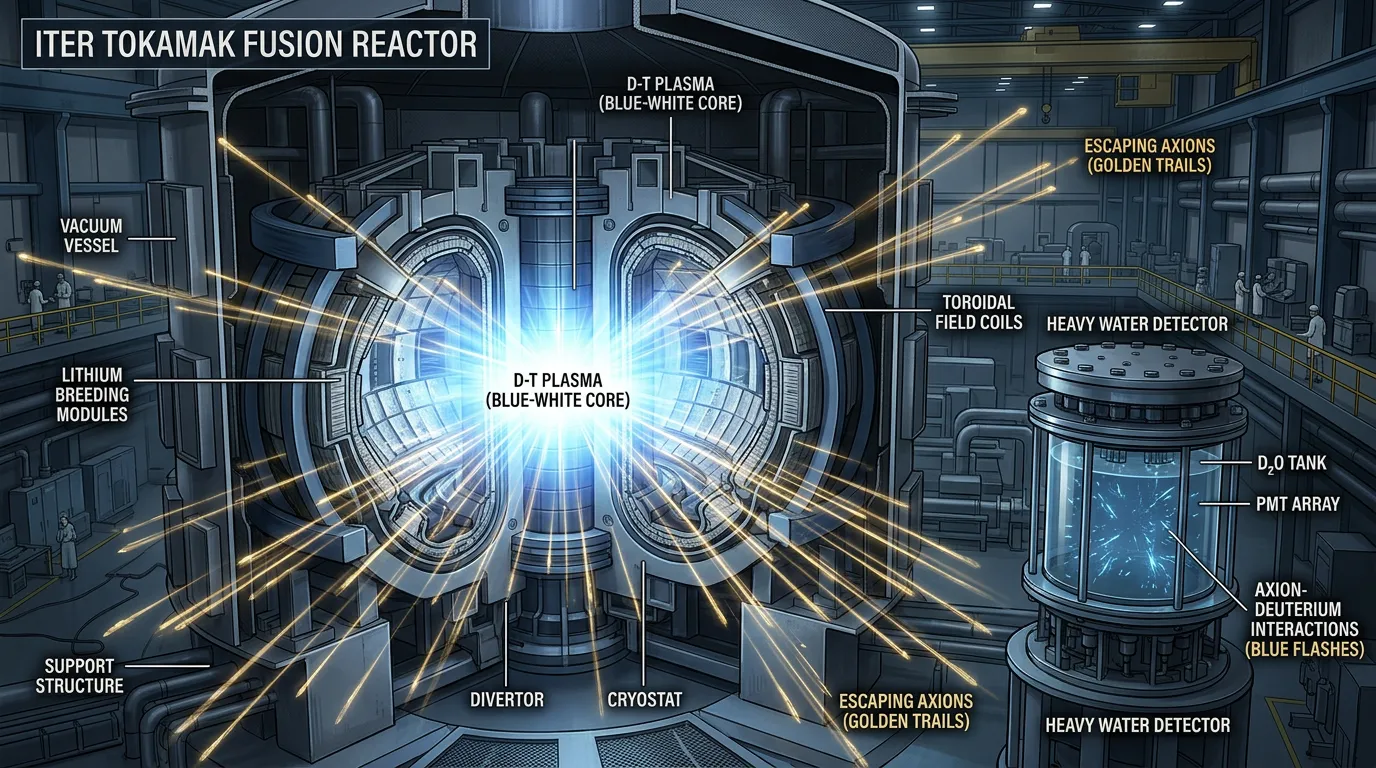
A new theoretical method shows that the ITER fusion reactor could produce detectable axion-like particles as a byproduct, offering a cheaper path to solving one of physics' biggest mysteries.
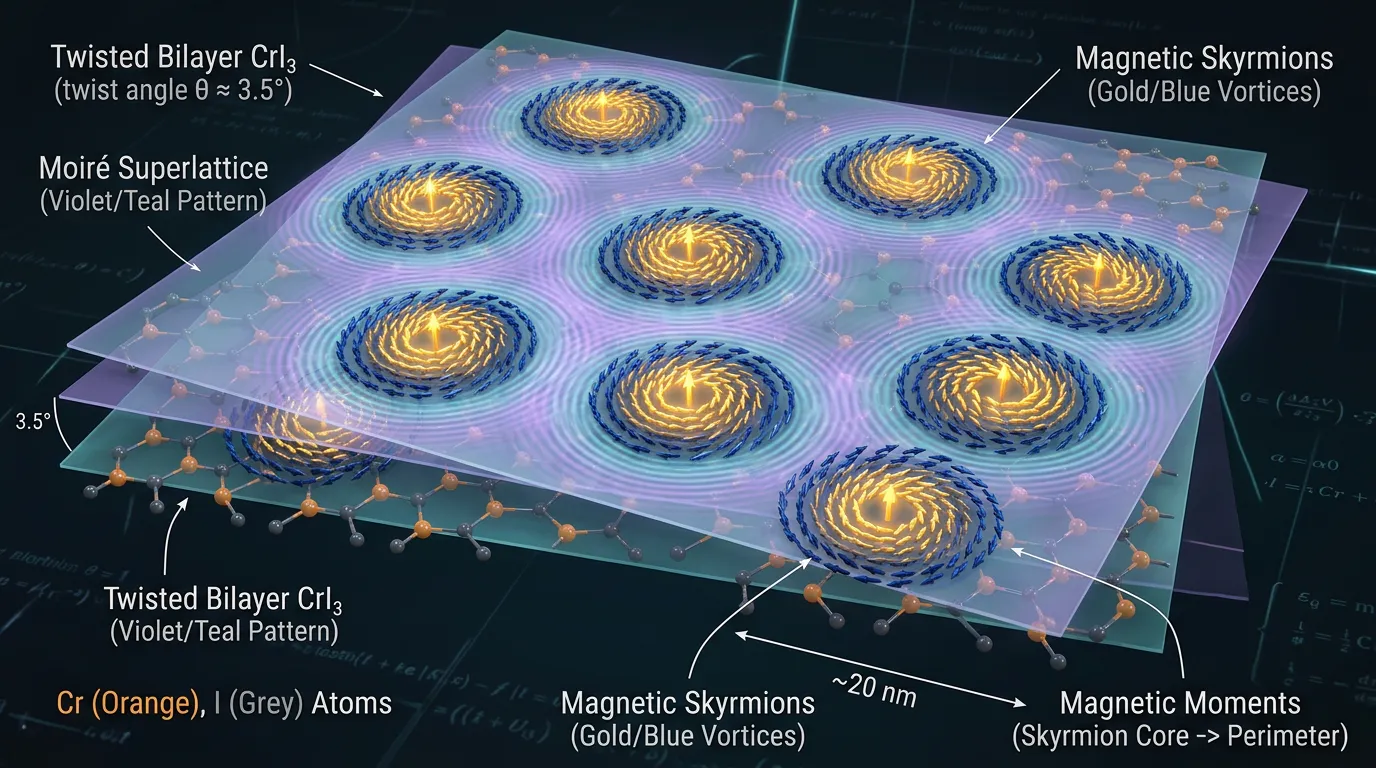
Rotating ultra-thin chromium iodide layers by a fraction of a degree created a magnetic state never seen before, hosting stable skyrmions.
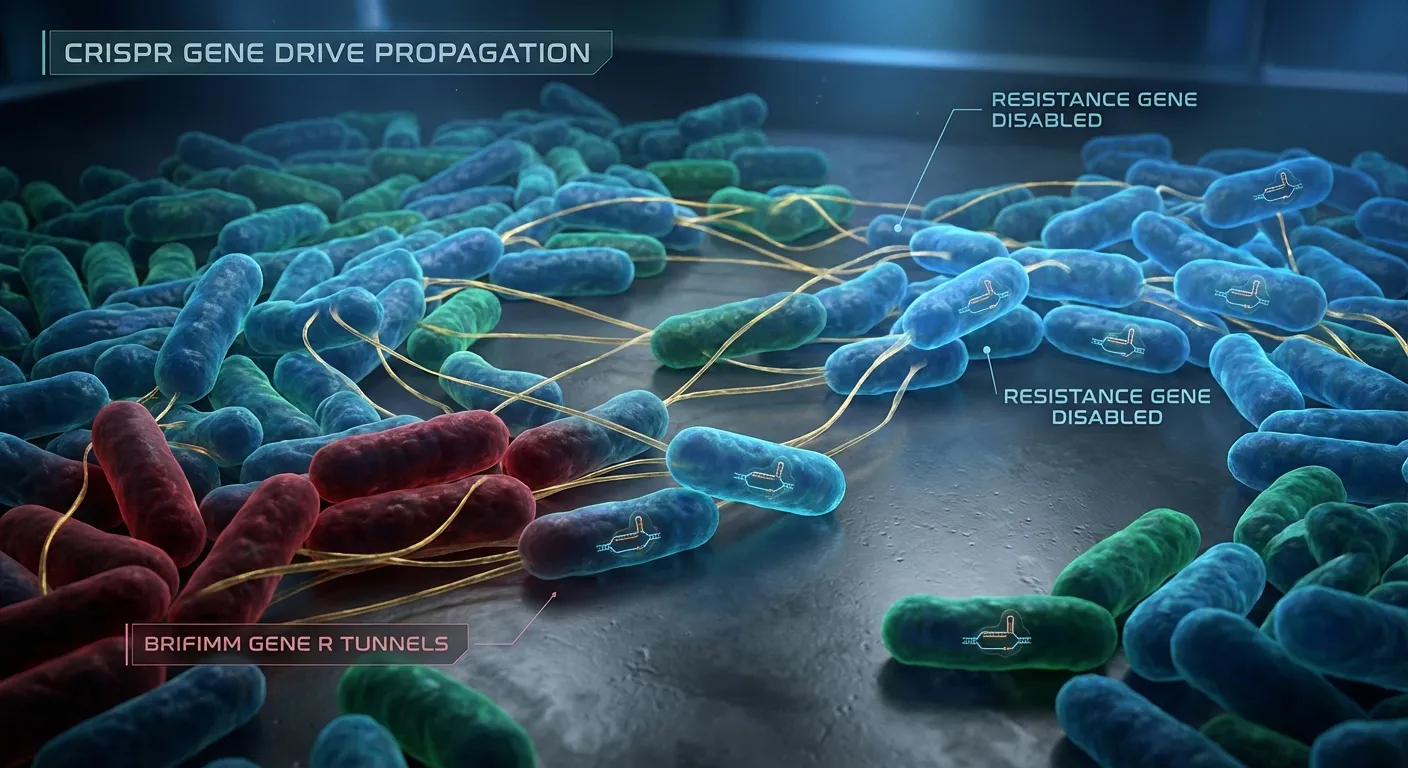
UC San Diego researchers have built a CRISPR-based system that spreads through bacterial populations and strips out antibiotic resistance genes, turning superbugs back into treatable infections.
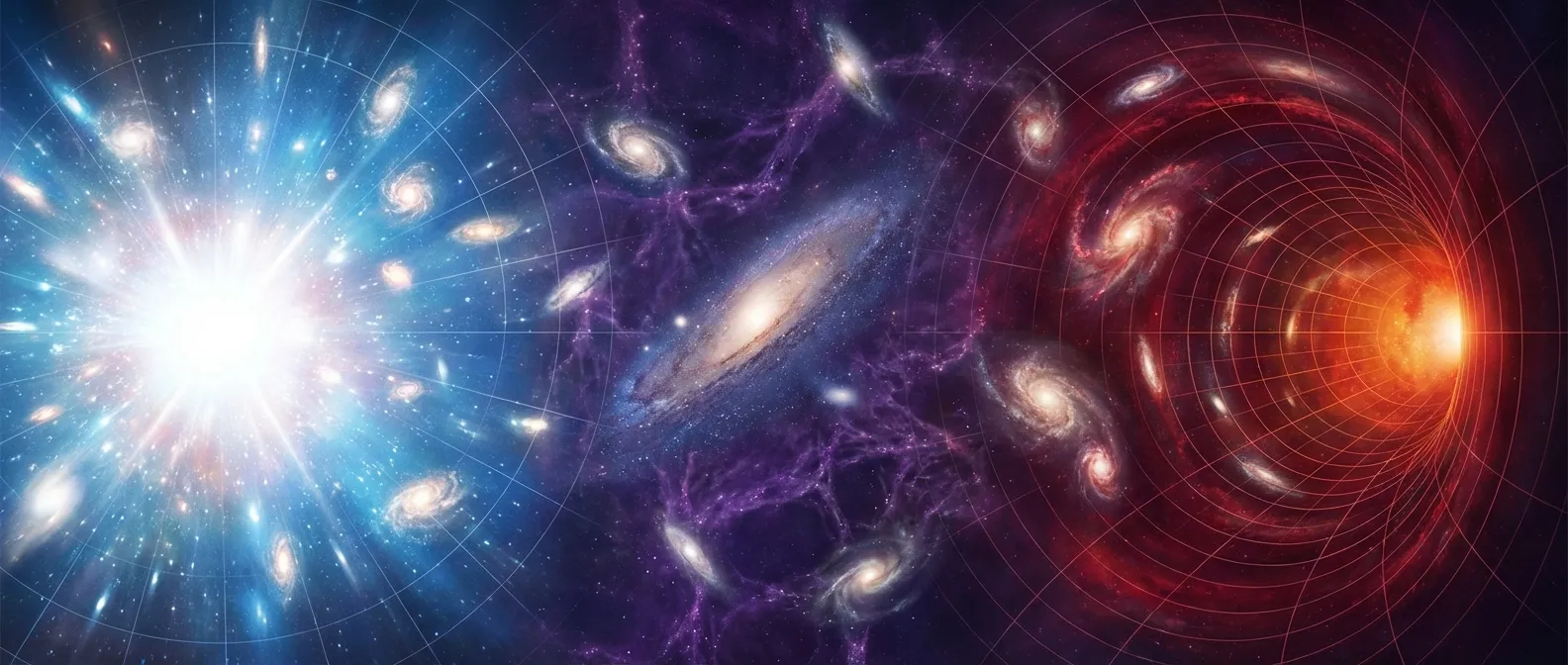
New dark energy data from two hemispheres suggest our cosmos has a 33-billion-year lifespan, with a dramatic collapse already baked into the physics.
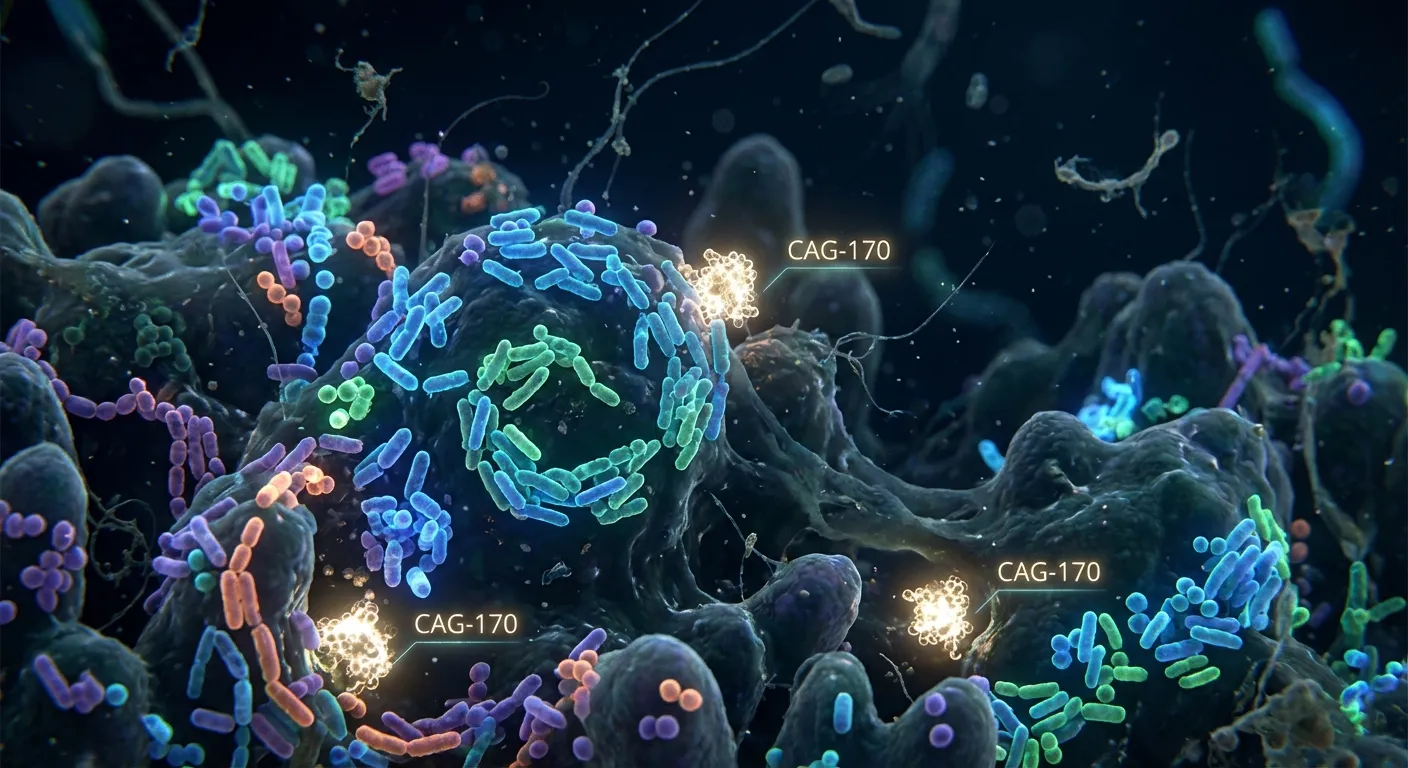
A global study of 11,000 people across 39 countries found a mysterious group of bacteria, invisible to traditional science, that consistently appears in healthy guts and vanishes in sick ones.
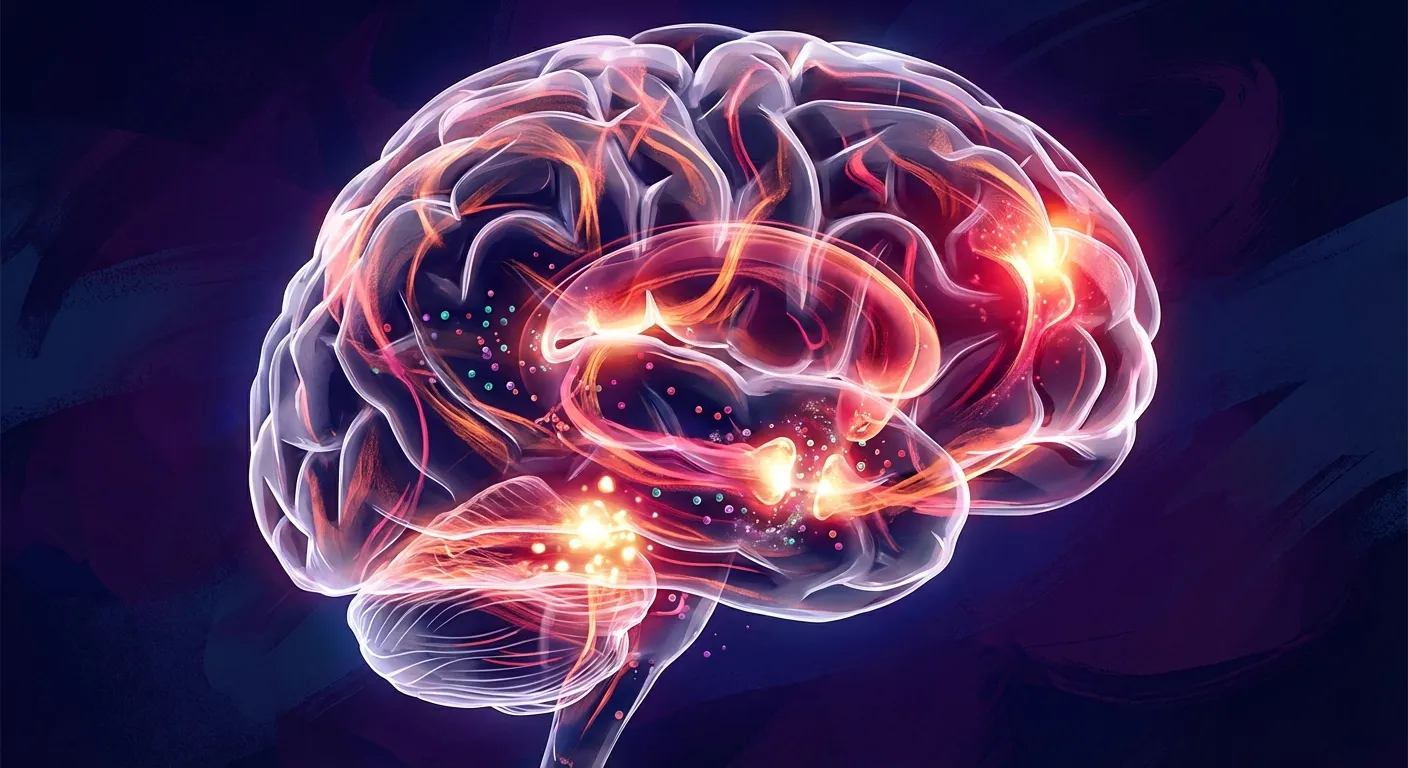
When you fall in love, 12 brain regions conspire to flood your system with dopamine, hijacking the same neural circuits as addiction. Here's what's really happening.
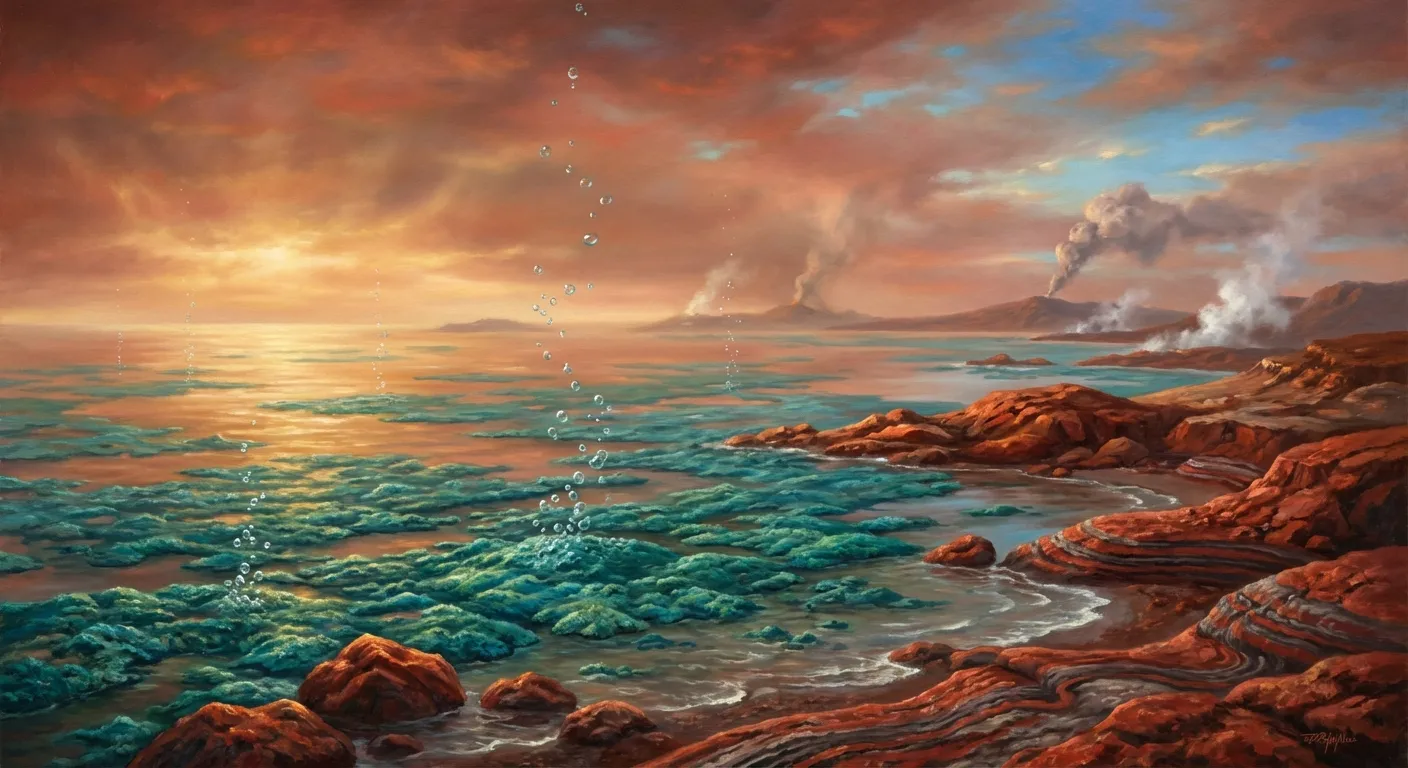
2.4 billion years ago, cyanobacteria flooded Earth with a toxic gas called oxygen, triggering the planet's first mass extinction and making complex life possible.
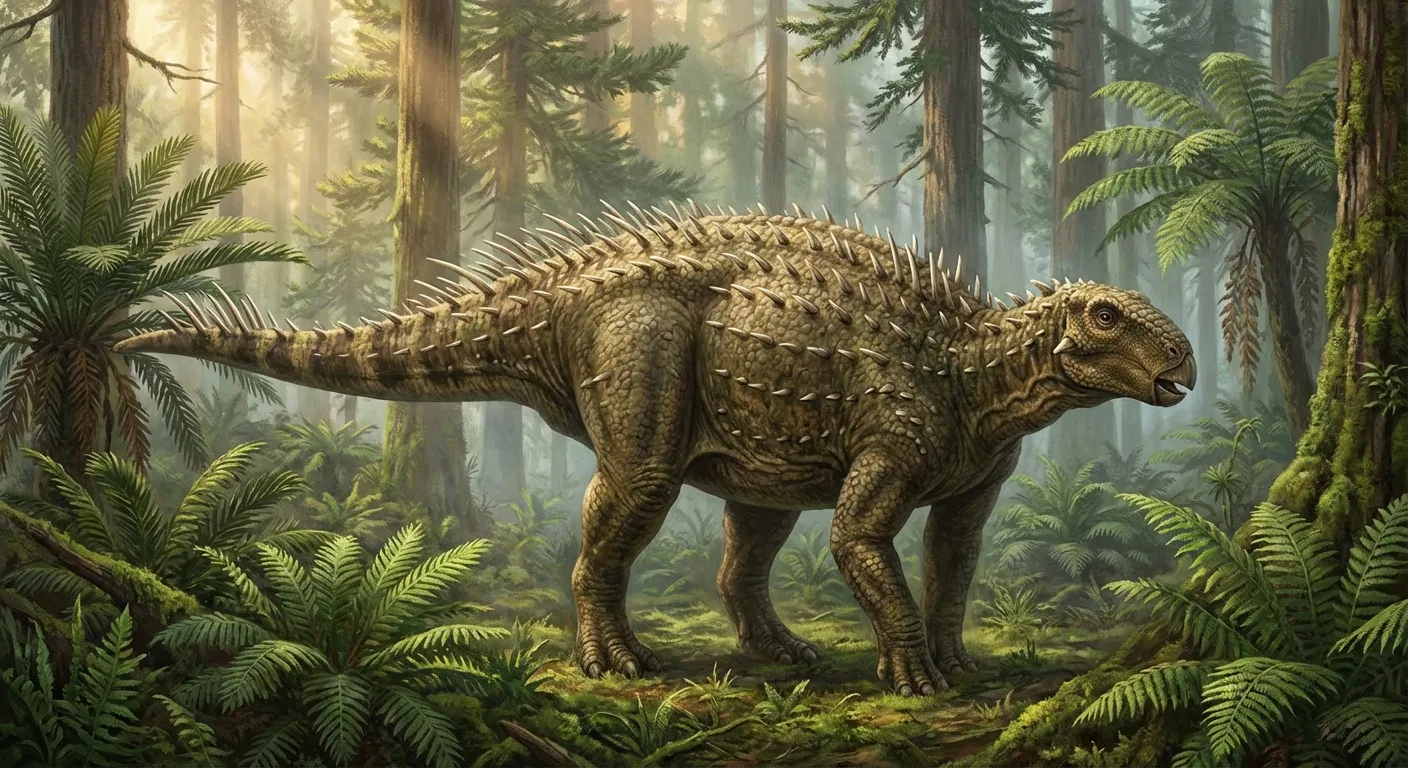
A 125-million-year-old dinosaur from China preserves skin at the cellular level, revealing hollow spikes unlike anything seen in the fossil record. The find redefines how we picture these animals.
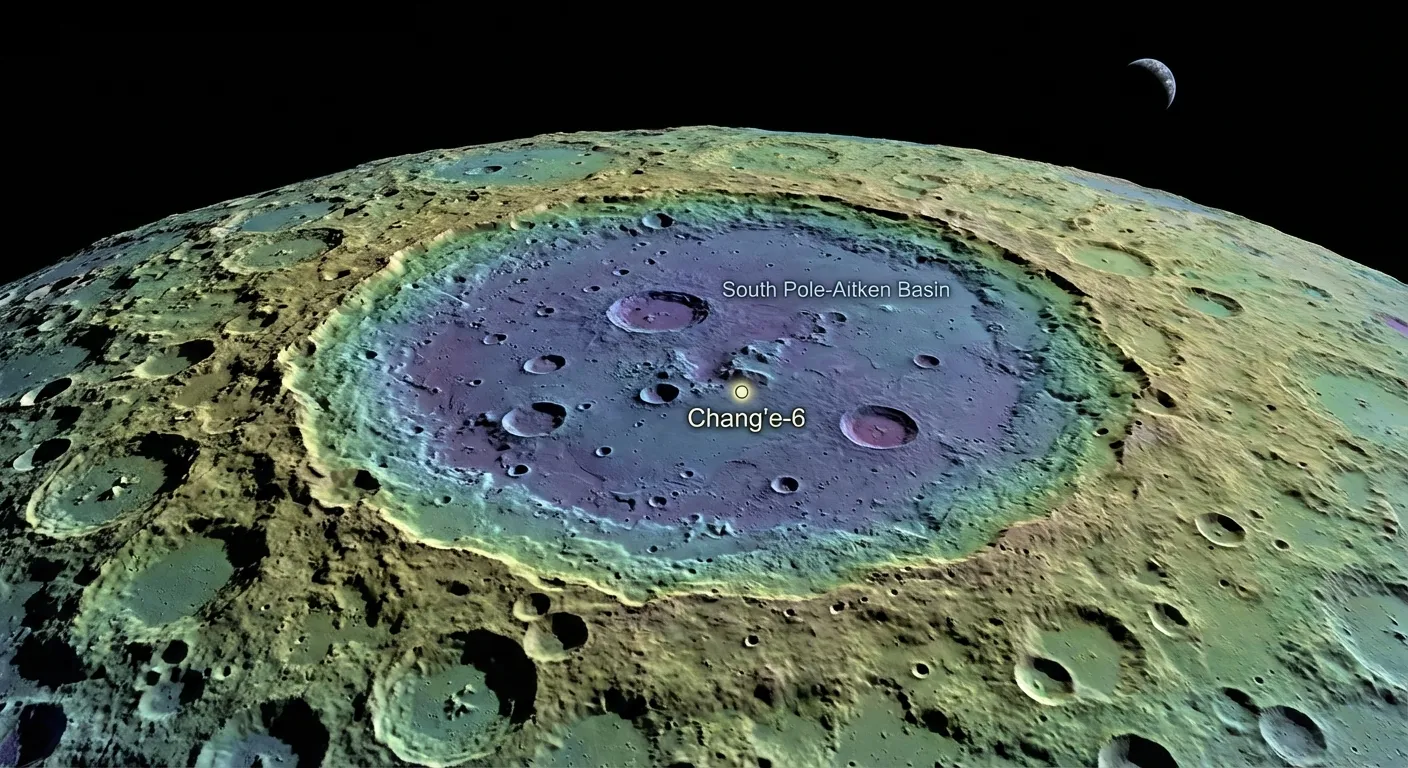
Samples from the far side of the Moon, collected by China's Chang'e-6 mission, reveal a 4.25-billion-year-old impact that challenges decades of accepted science about the solar system's violent past.