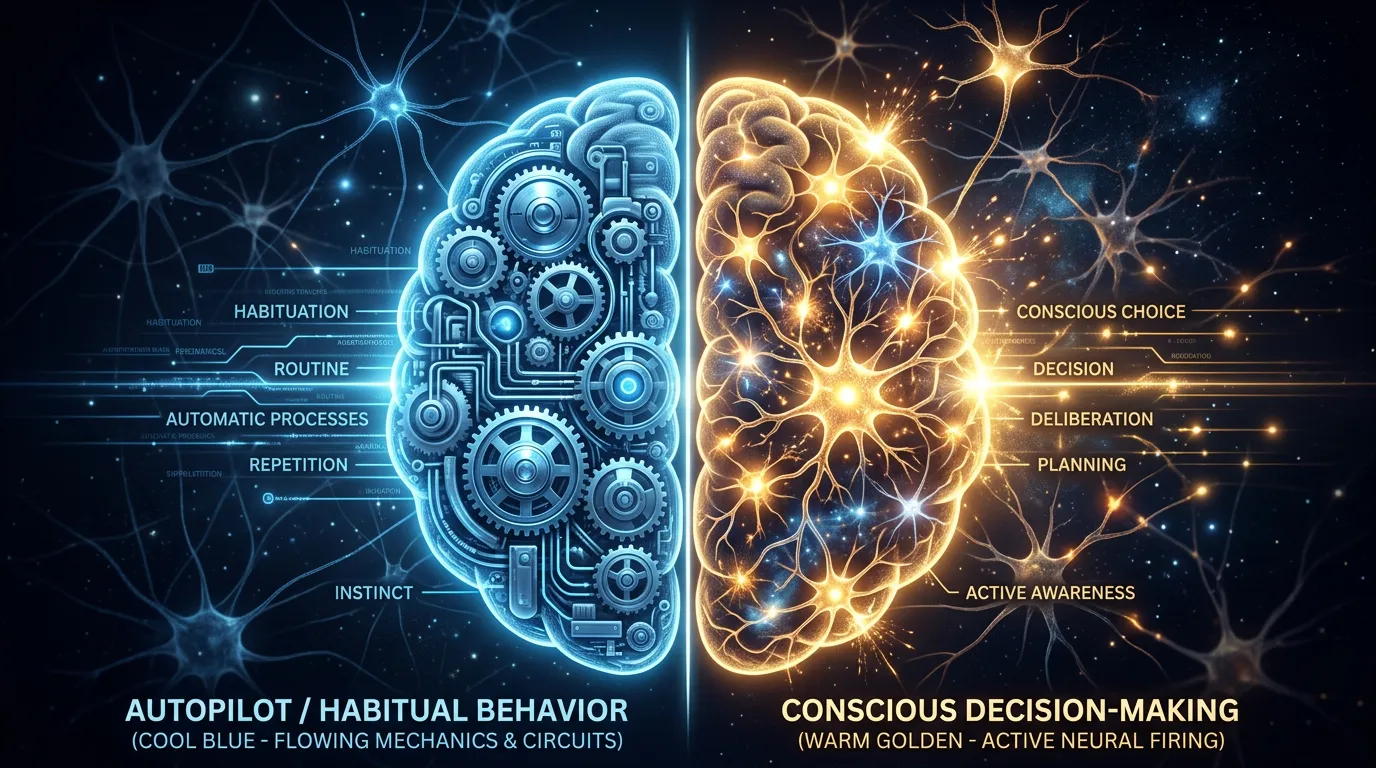
You're on Autopilot More Than You Think
A new study found that 65% of daily behaviors are habitual and 88% are executed without conscious thought. The science of why your brain prefers shortcuts, and what that means for change.
Casey Cooper·

Latest ideas articles and coverage
9 articles
A new study found that 65% of daily behaviors are habitual and 88% are executed without conscious thought. The science of why your brain prefers shortcuts, and what that means for change.
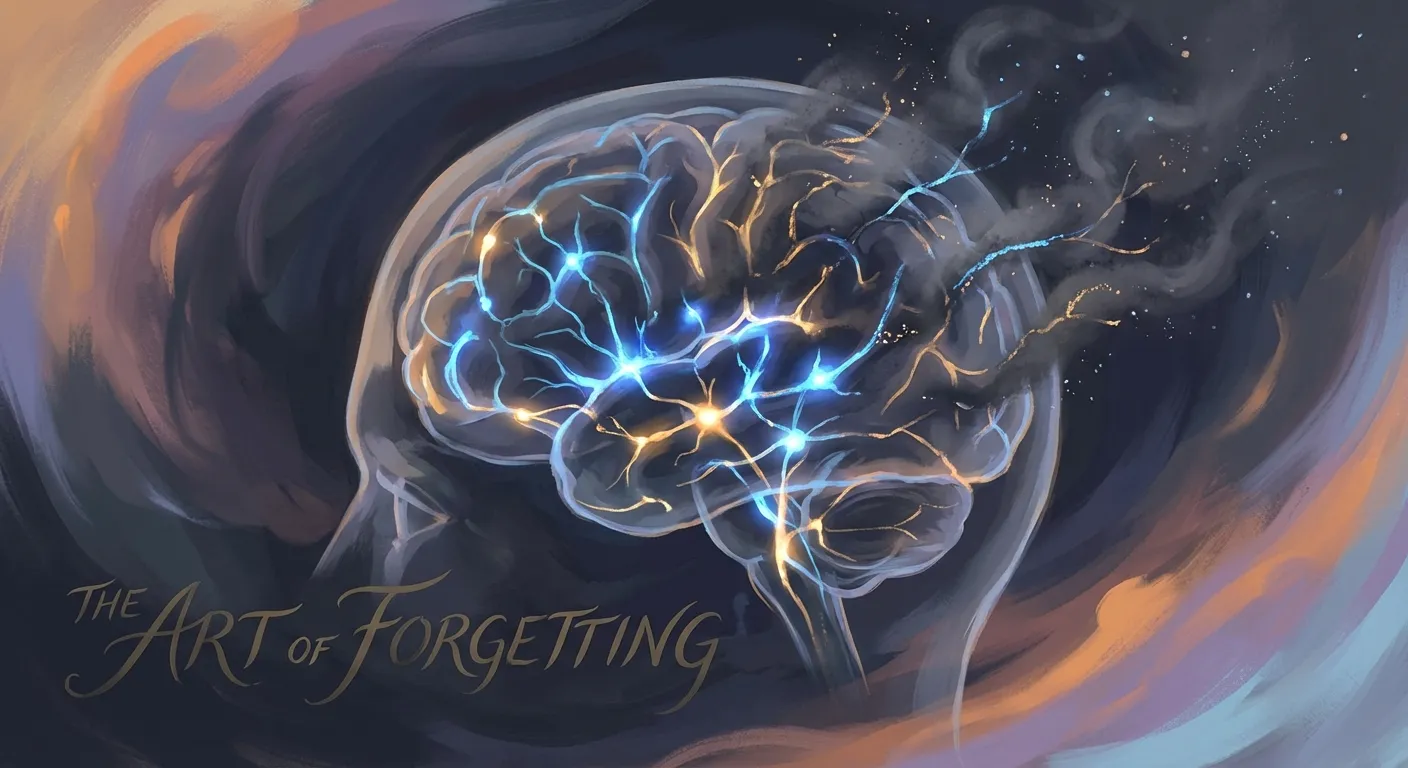
Forgetting isn't a failure of memory. It's a deliberate neural process, powered by dopamine and fine-tuned by evolution, that keeps your brain functional.

An annular solar eclipse arrives February 17. For thousands of years, eclipses stopped wars, toppled kings, and drove scientific revolutions. The ring of fire still has stories to tell.

New research reveals a troubling pattern: AI tools improve our performance while simultaneously making us believe we're even better than we actually are.
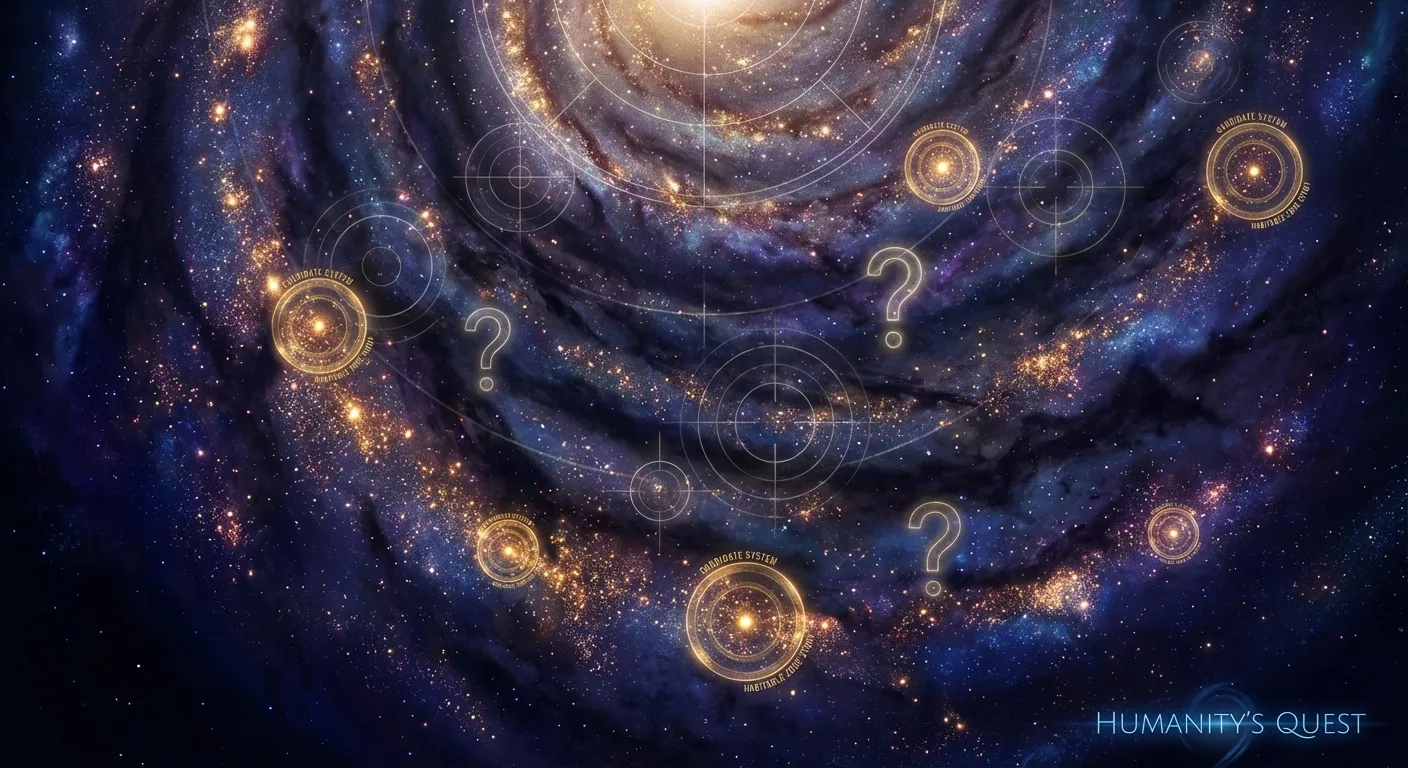
Enrico Fermi's lunchtime question has haunted scientists for decades. With thousands of exoplanets now discovered, we're finally getting closer to an answer, and it might not be the one we wanted.

We stay in bad movies, failing projects, and dead-end relationships because of money already spent. The psychology behind this irrational behavior reveals something deeper.

Hindsight bias convinces us we predicted events we never saw coming. Understanding this cognitive illusion reveals how memory rewrites itself to maintain our sense of competence.
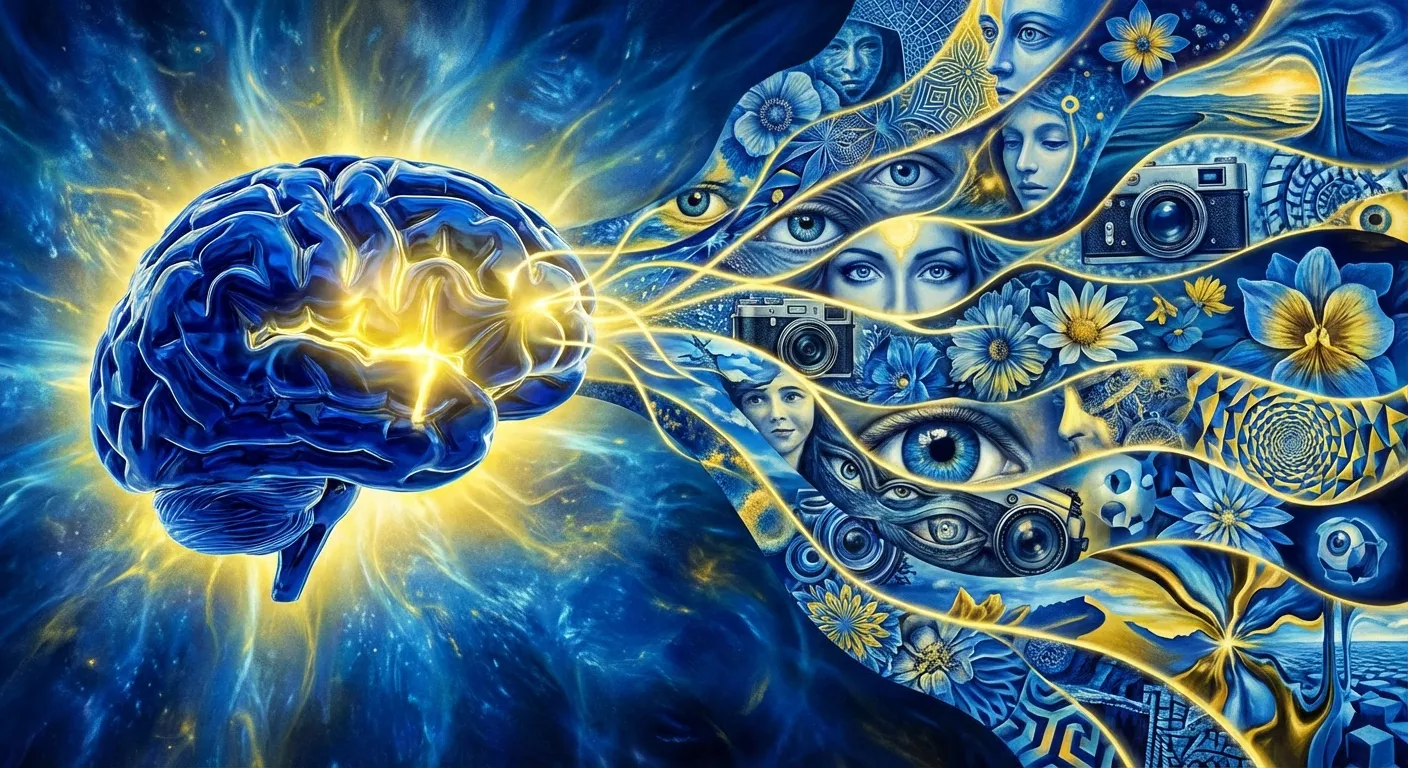
The brain does not passively record the world. It actively constructs reality from expectations and guesses, and understanding this changes everything.

Mihaly Csikszentmihalyi spent decades studying why some moments feel effortlessly engaging while others drag. His answer changed how we understand happiness.