
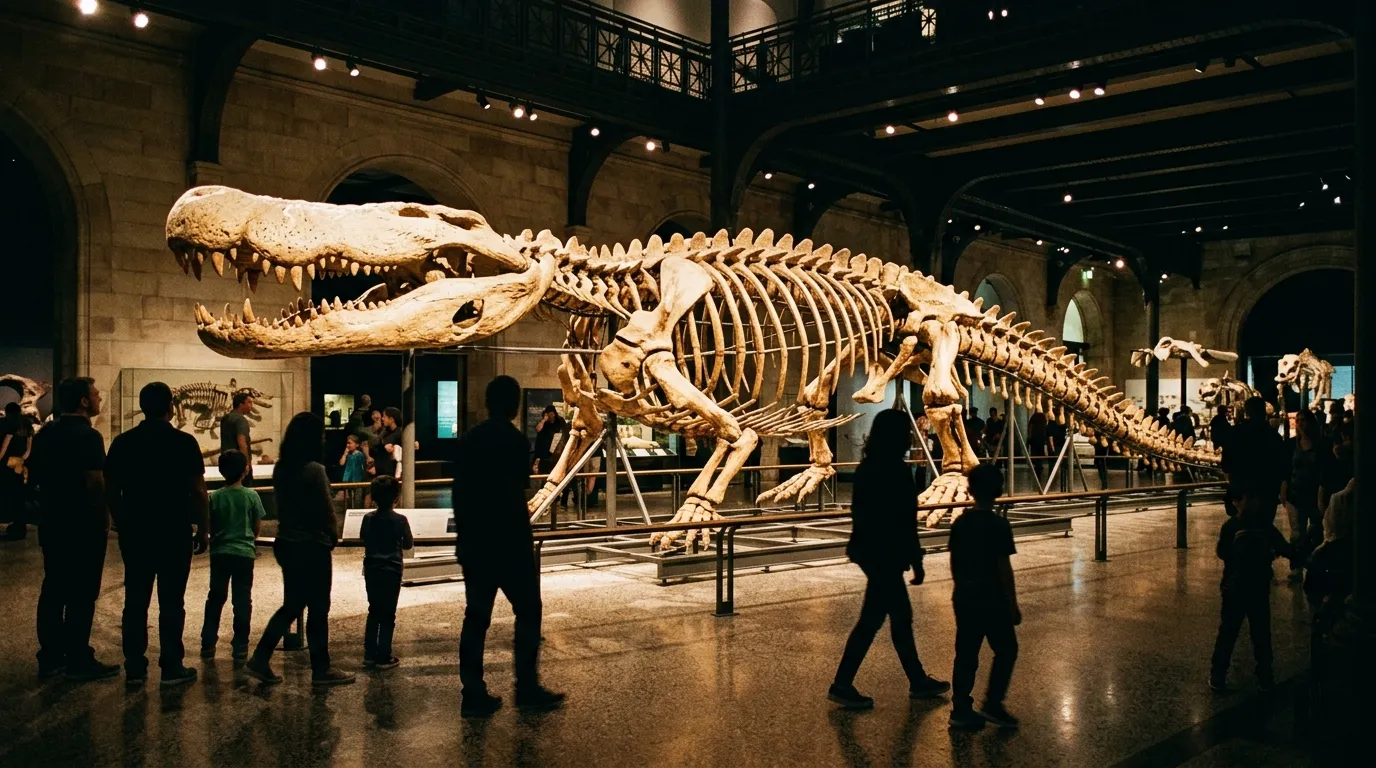
The First Real Skeleton of a Dinosaur-Killing Crocodile
A 31-foot crocodile that ambushed dinosaurs finally has an accurate full skeleton, forty years after the search for it began.
Casey Cooper·
Latest nature articles and coverage
A 31-foot crocodile that ambushed dinosaurs finally has an accurate full skeleton, forty years after the search for it began.
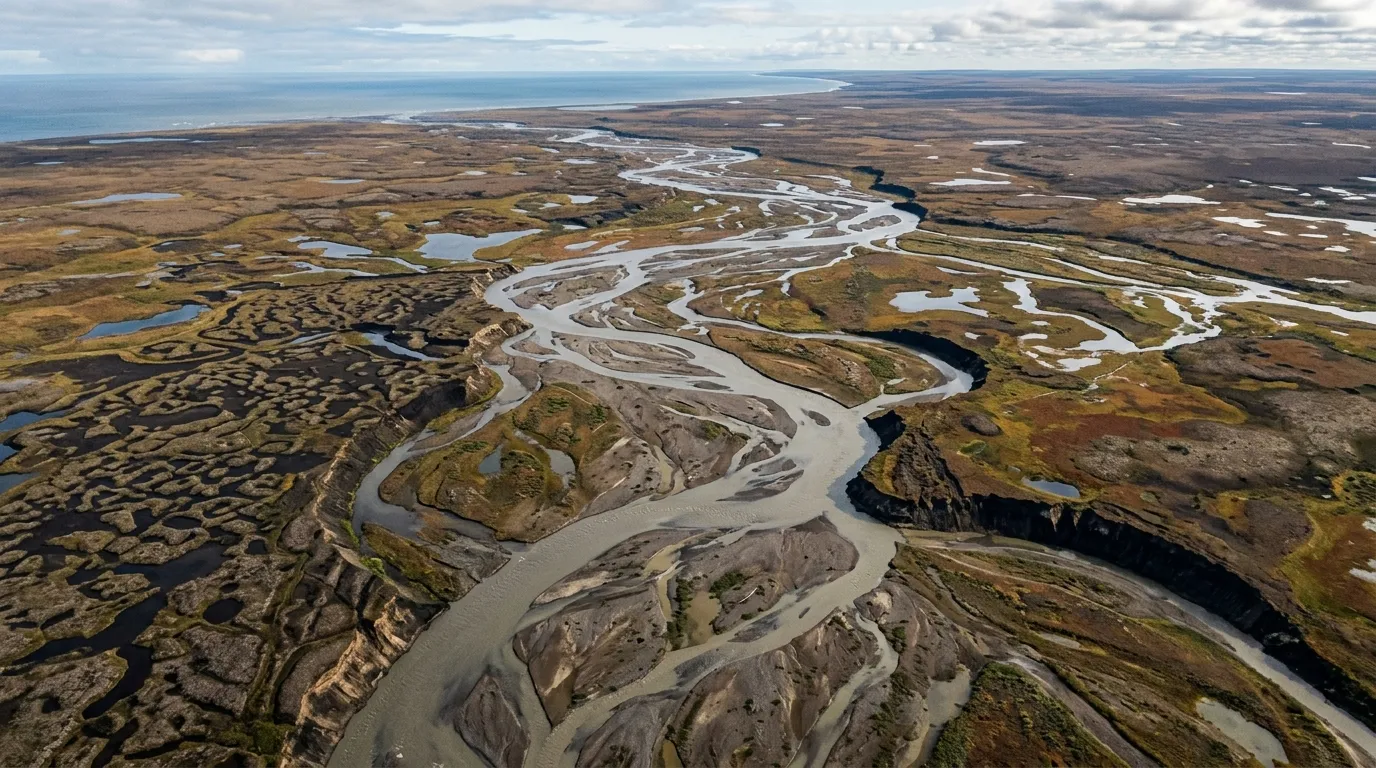
A 44-year study of Alaska's North Slope reveals how thawing permafrost is flushing ancient dissolved carbon into Arctic rivers and reshaping coastal ecosystems.

Golden oyster mushrooms were a trendy home-grow project. Now they're an invasive species in 25 states, halving native fungal diversity wherever they land.

A 13-year-old Swiss Brown cow in Austria uses different ends of a brush depending on the body part she's scratching, a type of flexible tool use previously documented only in chimpanzees.
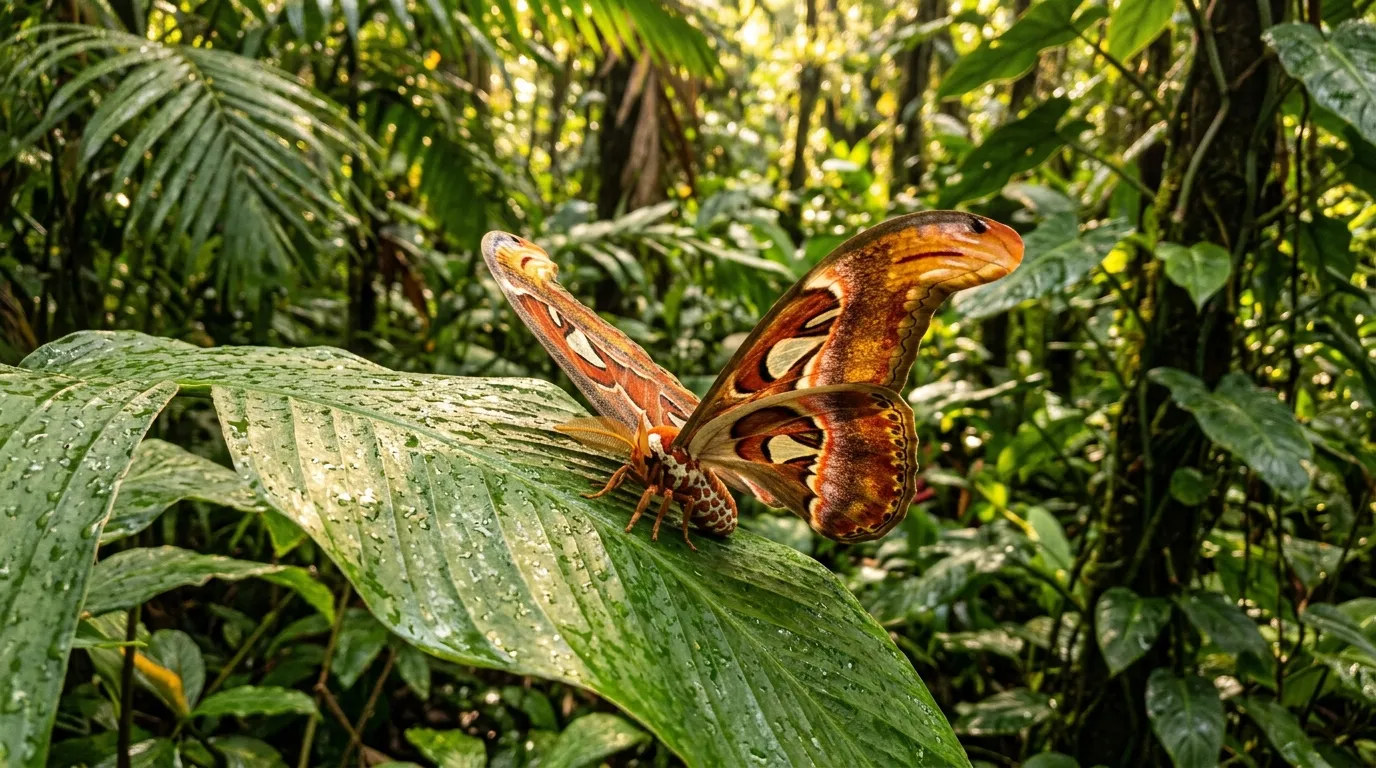
A study of more than 2,000 species reveals that tropical insects lack the protein architecture to adapt to rising temperatures, threatening entire ecosystems.
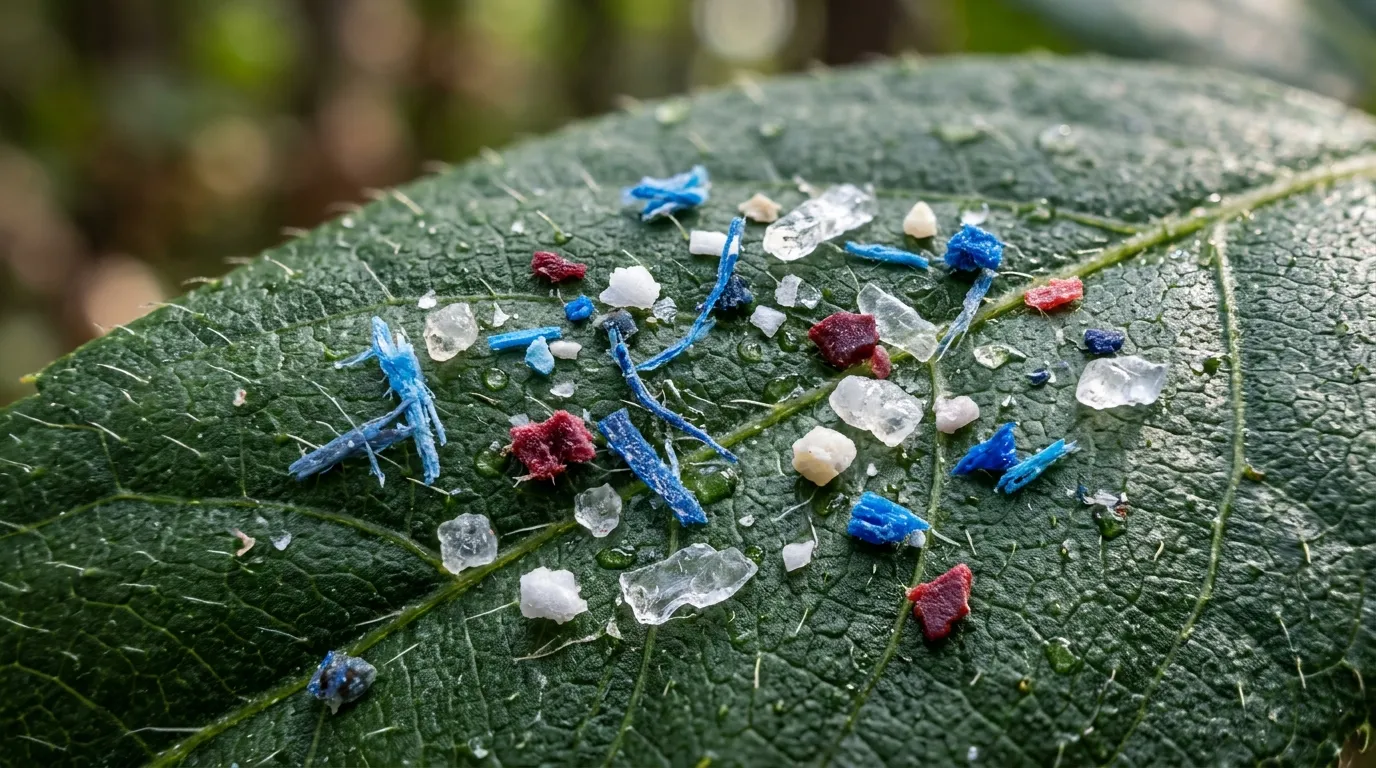
New research reveals that forests trap airborne plastic particles through their canopies, accumulating concentrations in soil that rival urban environments.

A six-year study in Fiji reveals that one of the ocean's most feared predators forms lasting social bonds, picks preferred companions, and even follows friends around the reef.
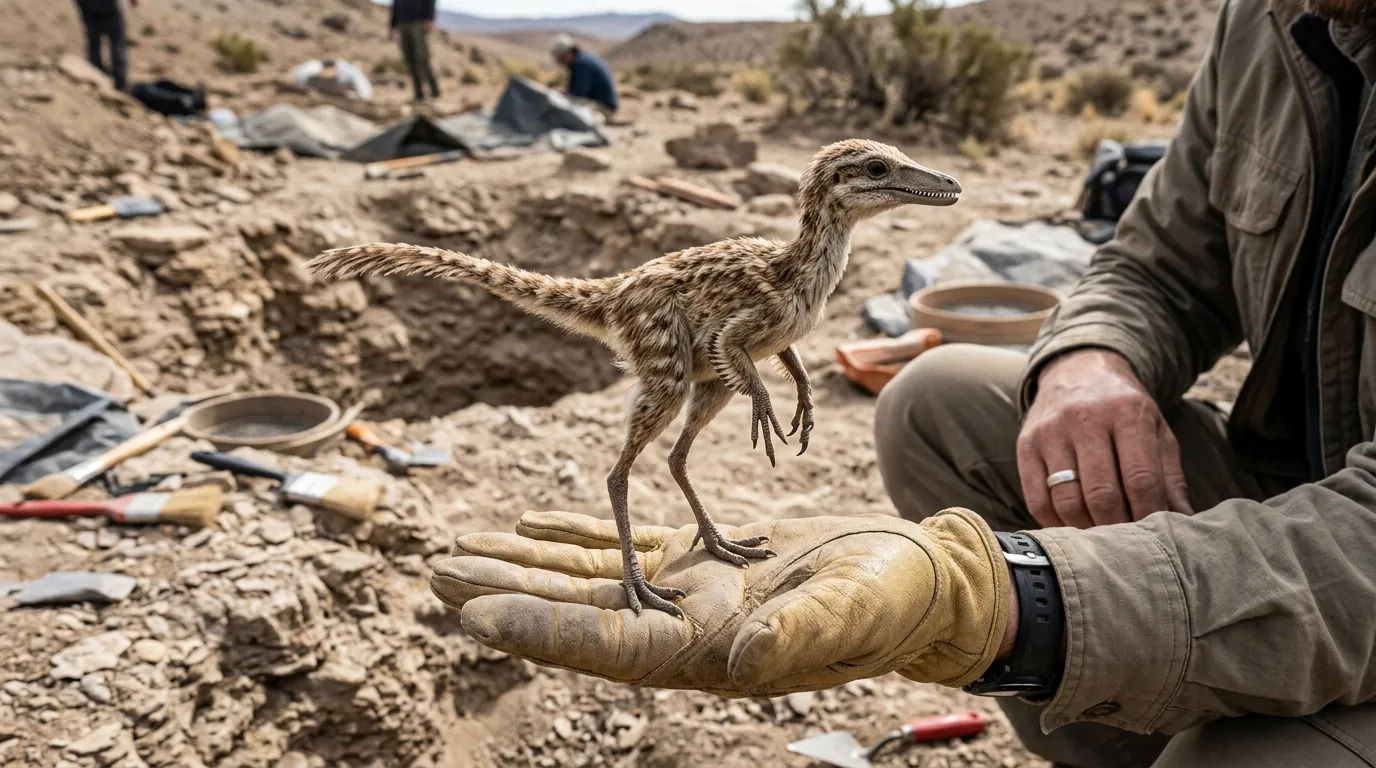
A nearly complete skeleton from Patagonia shows that alvarezsaurs shrank before they specialized, upending a core assumption about how evolution works.
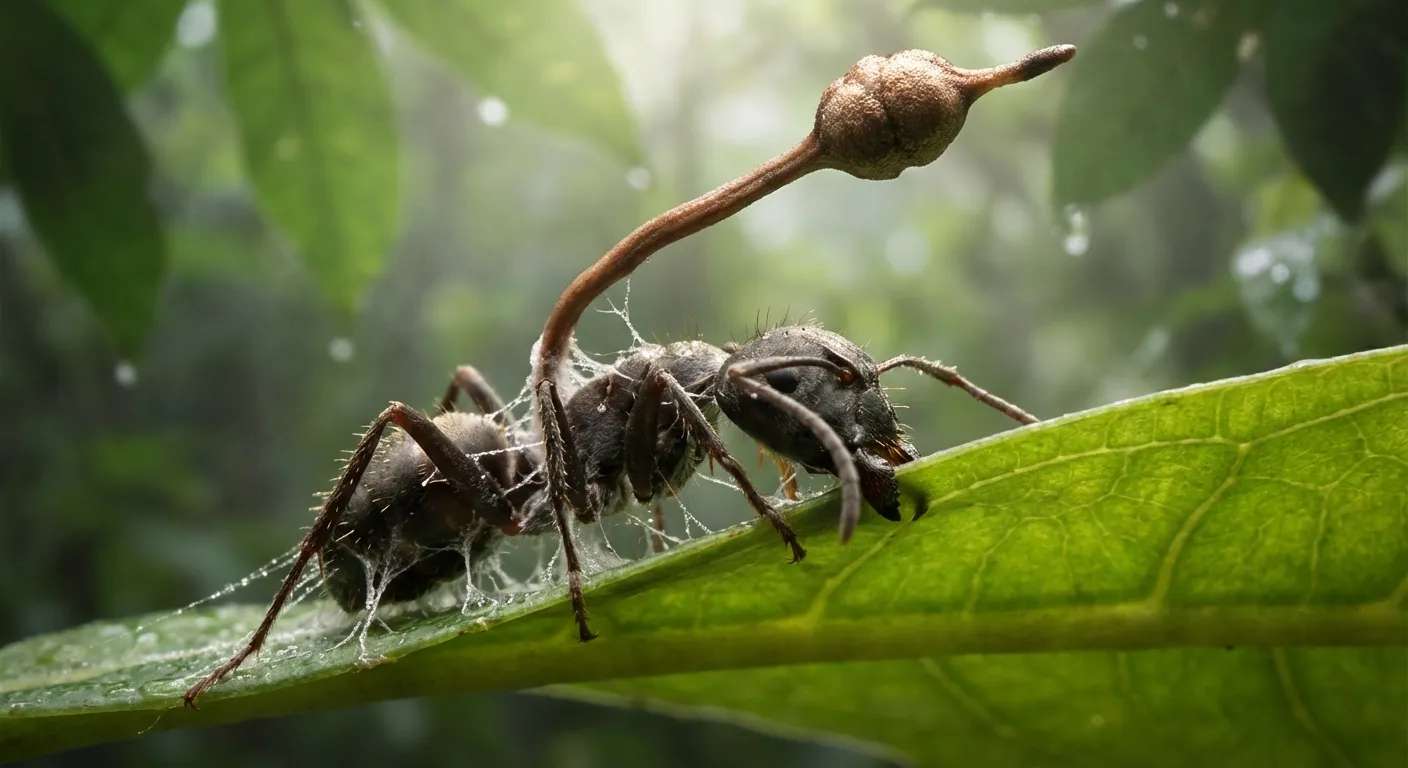
From zombie ants to fearless rats, parasites have evolved astonishingly precise methods of neural hijacking that challenge our understanding of free will and behavior.

Lava tubes beneath the lunar and Martian surfaces could be large enough to shelter entire settlements. Robots are already learning to explore them.
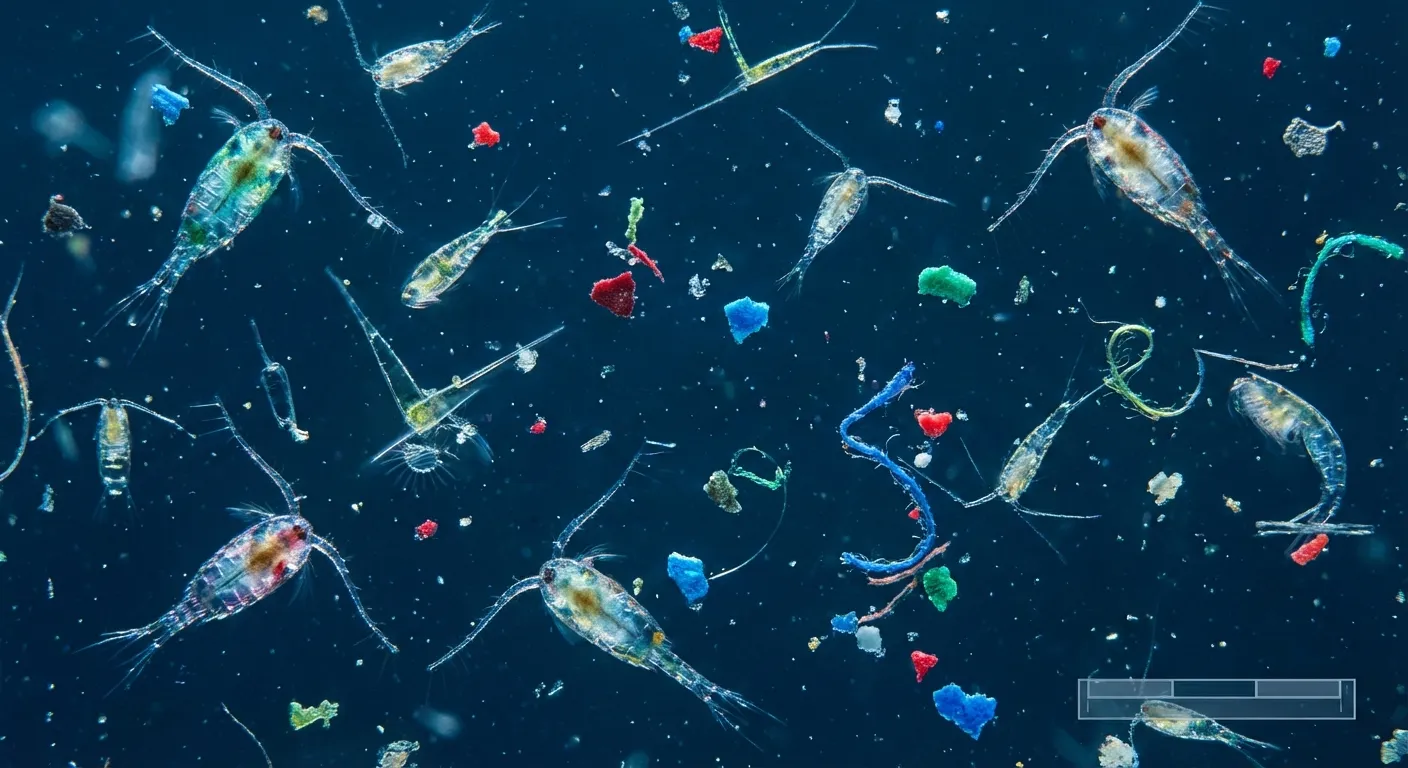
The ocean absorbs billions of tons of CO2 annually, our biggest ally against climate change. New research shows microplastics may be disrupting this critical process.
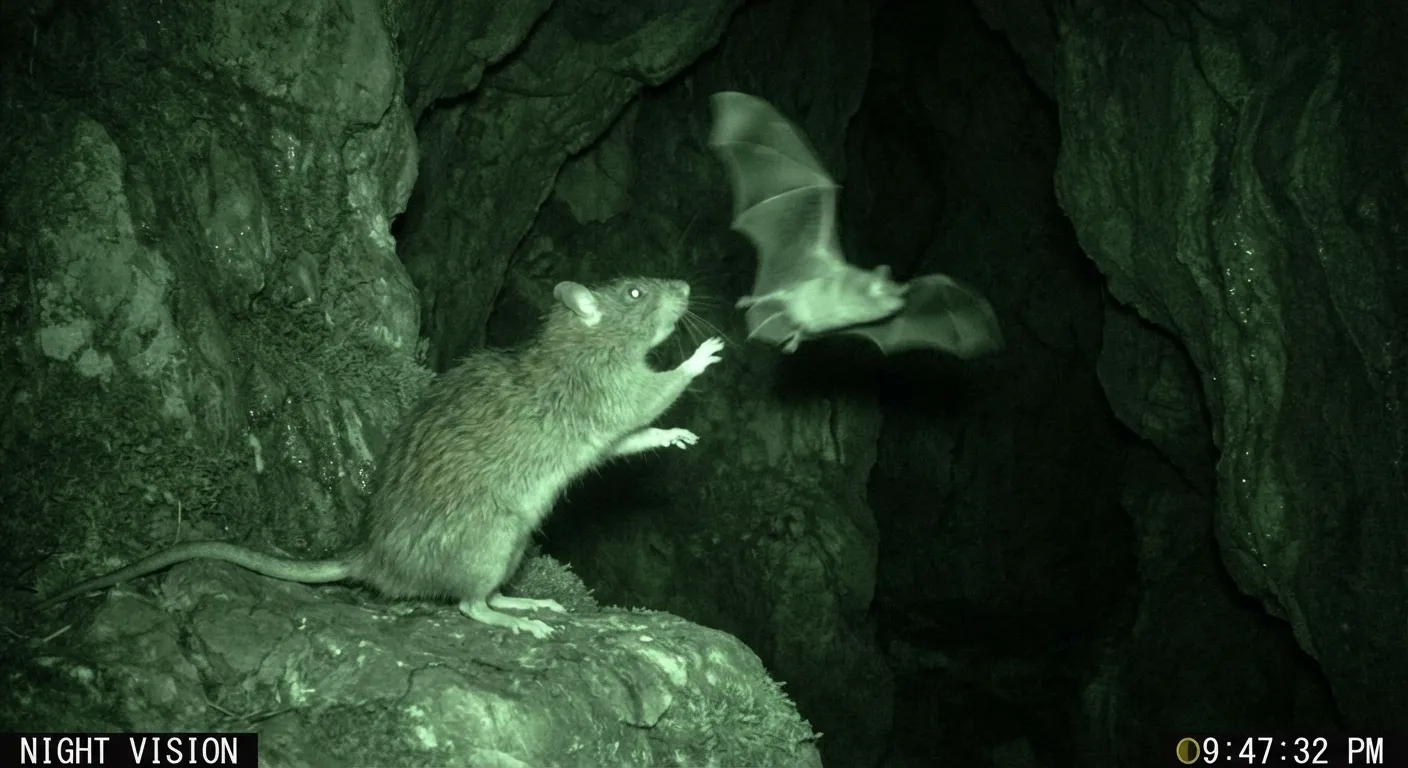
In German caves, researchers filmed rats standing upright and snatching bats from the air. It's changing what we know about rodent behavior.