
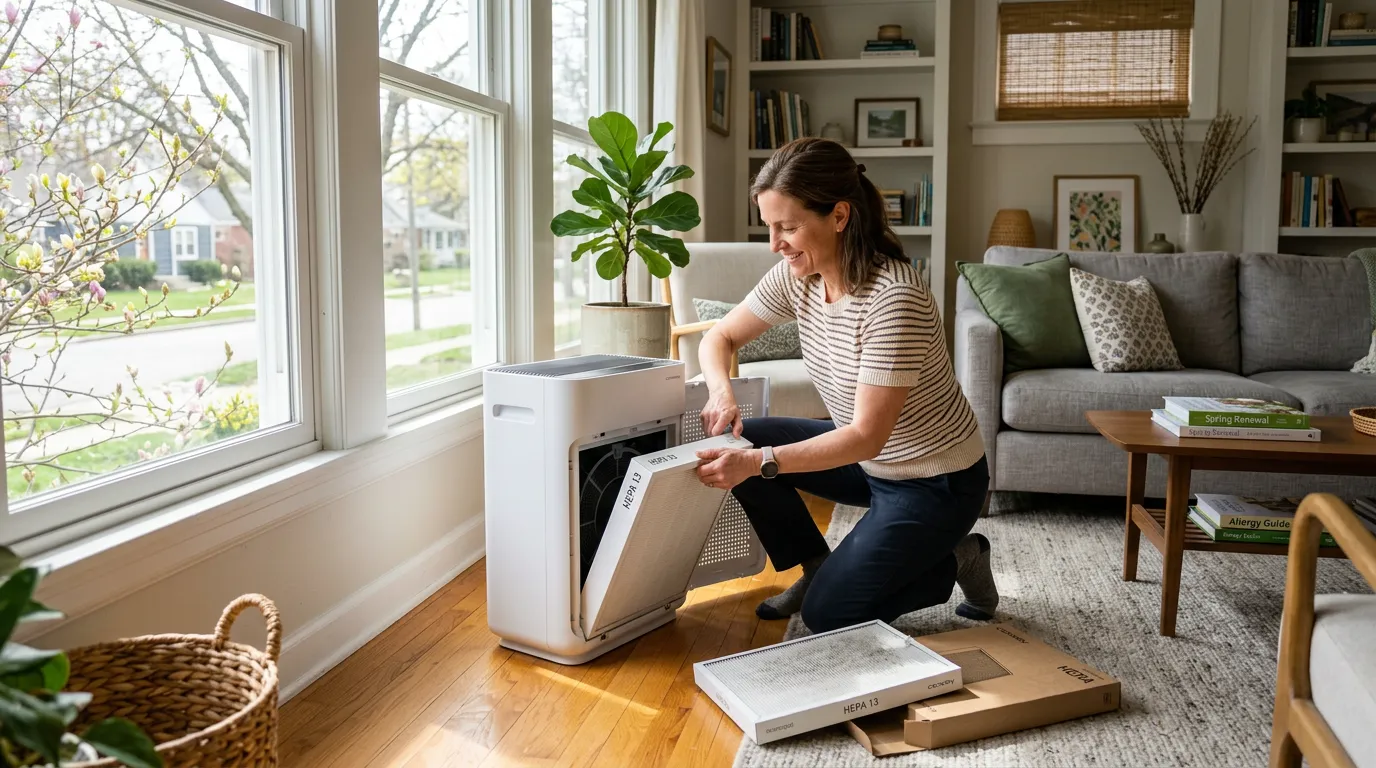
If you dread the arrival of spring because it means weeks of sneezing, congestion, and itchy eyes, the best time to start fighting back is right now, before pollen counts spike. Roughly one in four American adults experiences seasonal pollen allergies, and the problem is getting worse: pollen seasons now start 20 days earlier, last 10 days longer, and carry 21% more pollen than they did in 1990, according to Climate Central's analysis of 172 US cities.
The good news is that a combination of home preparation, timing your medication correctly, and a few simple daily habits can dramatically reduce your symptoms. Allergists emphasize that starting treatment two to three weeks before your symptoms typically begin is far more effective than waiting until you're already miserable. Here's exactly what to do and when.
Why Allergy Season Keeps Getting Worse
Before diving into solutions, it helps to understand why your symptoms seem worse each year. You're not imagining it.
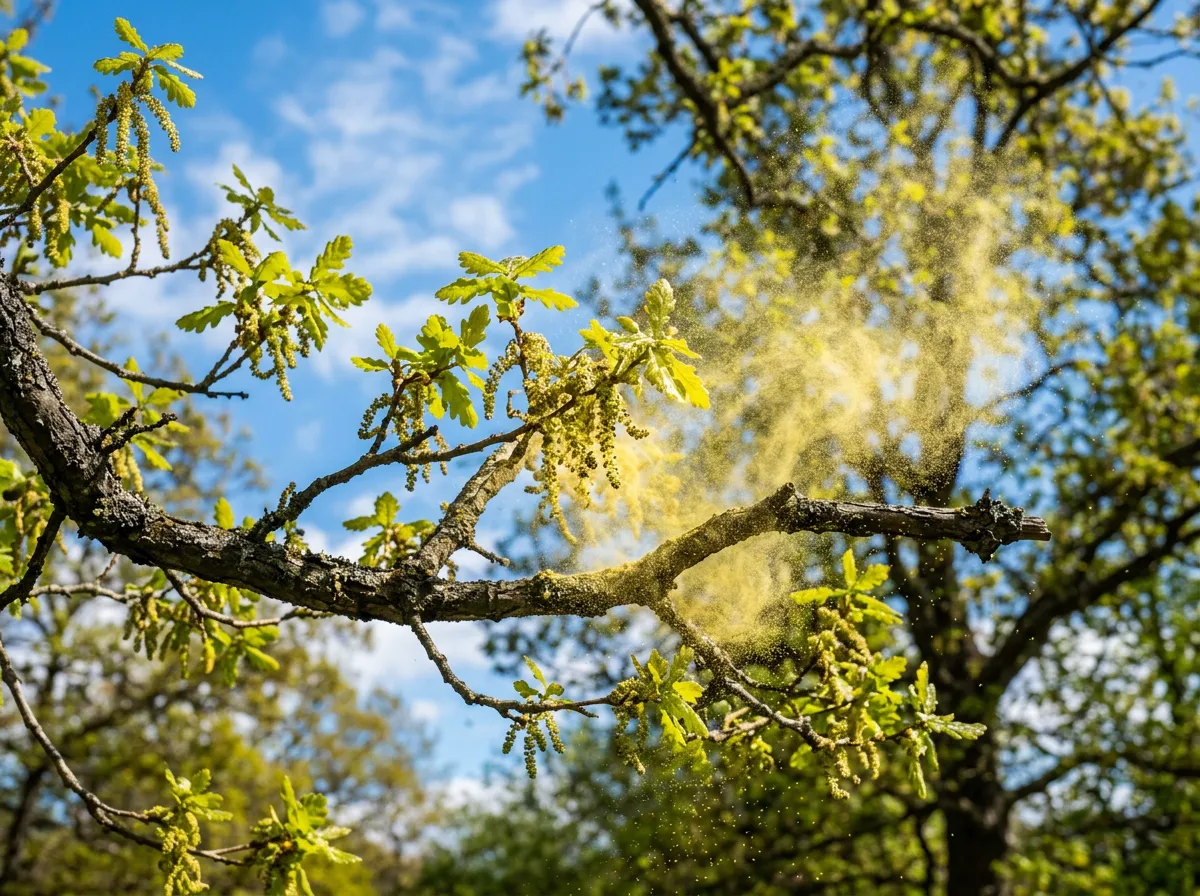
The freeze-free season has lengthened in 87% of US cities analyzed since 1970, with an average extension of 20 days. Western and southwestern states have seen the largest shifts, gaining 20 to 24 additional frost-free days. Longer warm seasons mean trees, grasses, and weeds produce pollen for more weeks each year. Plants also produce approximately 20% more pollen than they did 50 years ago, driven by higher atmospheric carbon dioxide levels that act as a fertilizer for pollen production. A 2022 study published in Nature Communications projected that the US could face up to a 200% increase in pollen production by the end of this century under high-emission scenarios.
Dr. Kevin White, an allergist and immunologist at Banner-University Medicine, explained another factor: "As the climate changes, fluctuations in temperature and moisture in the winter can confuse the plants, which have an annual cycle for pollination and growth." Unseasonably warm February days followed by cold snaps can trigger early, intense bursts of tree pollen that catch people off guard. This is particularly relevant in 2026, with many regions experiencing warmer-than-average winters.
The practical takeaway: if you used to start allergy medication in April, you probably need to start in early-to-mid March now, or even late February in southern states. Your body hasn't changed. The pollen calendar has.
Preparing Your Home: Room by Room
Your home should be your refuge from pollen, but without preparation it's more like a pollen storage unit. Every time you open a door, walk inside, or let a pet in, you're bringing pollen with you. These measures reduce the allergen load inside your living space.
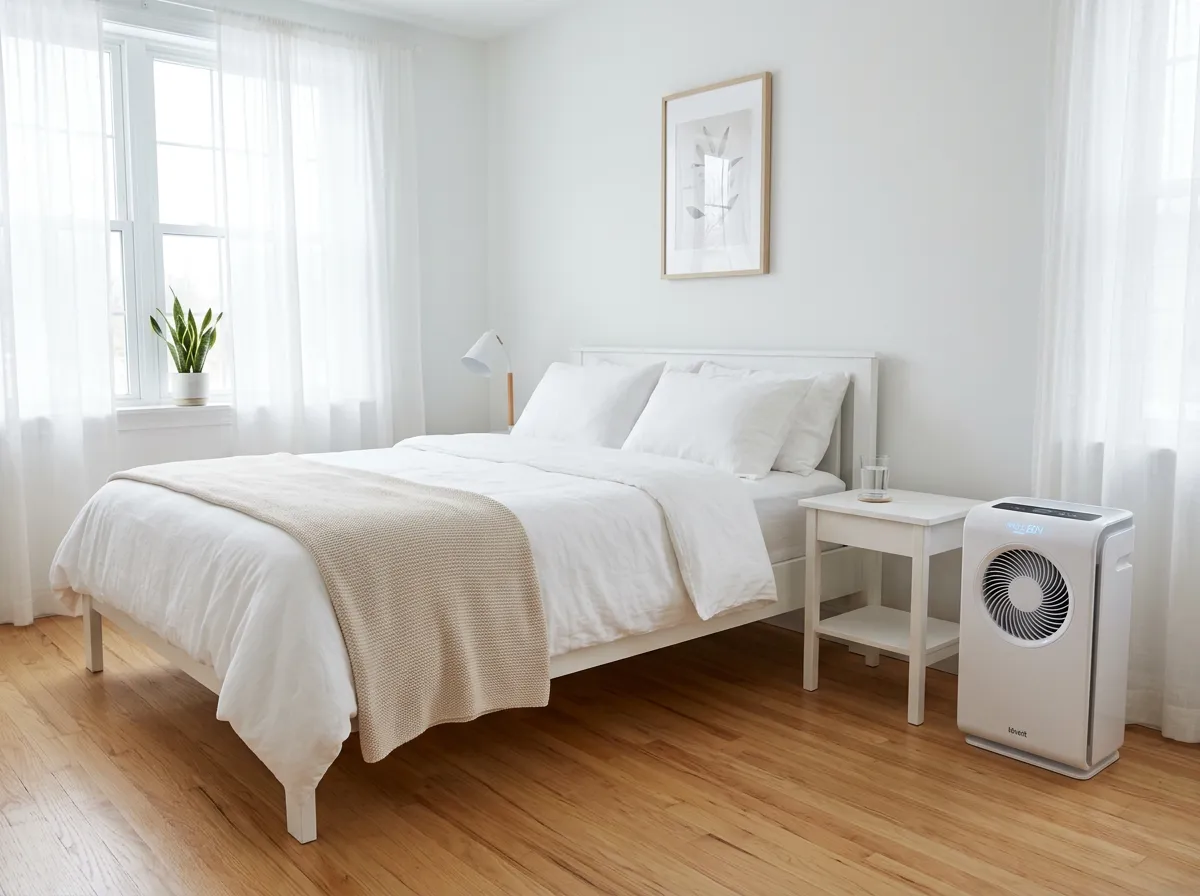
Living areas and bedrooms need air filtration first. The American College of Allergy, Asthma & Immunology (ACAAI) recommends HEPA air purifiers for individual rooms, particularly bedrooms where you spend 7 to 9 hours breathing filtered air. True HEPA filters capture 99.97% of particles 0.3 microns or smaller, which covers all common allergens including pollen grains, mold spores, pet dander, and dust mite debris. Make sure your purifier's CADR (clean air delivery rate) matches your room size, as an undersized unit won't circulate enough air to make a difference. Avoid products labeled "HEPA-like" or "HEPA-type," as these are not held to the same filtration standard. The ACAAI also warns that "not changing the filter regularly can also do more harm than good," so mark your calendar for filter replacements according to the manufacturer's schedule.
For homes with central HVAC, swap your furnace filter for one rated MERV 11 to 13. The ACAAI notes that "the higher the MERV rating the better" for allergen capture. Standard fiberglass filters (MERV 1 to 4) catch almost no pollen. Avoid ionic or electrostatic cleaners, which lack scientific support for allergy symptom reduction and may produce ozone.
Windows and doors should stay closed during peak pollen hours, typically 5 to 10 AM when counts are highest, and on dry, windy days. If your windows have gaps or poor seals, consider adding weatherstripping or caulking. Pollen grains are small enough to enter through surprisingly tiny openings. Use air conditioning instead of open windows when possible.
Flooring matters more than most people realize. Carpet traps and holds pollen, dust mites, and pet dander in a way that hard surfaces don't. If you have carpeted bedrooms, vacuum daily during peak season using a vacuum with a HEPA filter. If you have the option, smooth-surface flooring (hardwood, laminate, tile) that can be damp-mopped is significantly easier to keep allergen-free.
The Daily Habits That Make the Biggest Difference
Home preparation sets the baseline, but daily habits determine whether you're constantly re-contaminating your clean indoor air. These routines take minimal effort and produce noticeable results.
Shower before bed, not just in the morning. Pollen accumulates on your skin, hair, and clothing throughout the day. Going to bed without showering means you're pressing your face into a pillow coated in the same allergens you were trying to escape. Washing your hair before sleep is particularly effective, as hair acts like a pollen magnet. If you have long hair, this single habit can improve your sleep quality during allergy season more than any medication.
Change clothes when you come inside. Don't sit on your couch or lie on your bed in the clothes you wore outdoors. Pollen clings to fabric and transfers to every surface you touch. Keep a hamper near your entrance and change into indoor clothes. This sounds excessive until you realize that a single outdoor garment can carry thousands of pollen grains into your supposedly filtered living room.
Keep pets out of bedrooms during pollen season. Dogs and cats that go outside bring pollen back on their fur, and they transfer it to any surface they touch. If your pet sleeps on your bed, you're sleeping in a pollen deposit. This is one of the hardest habits to change, but allergists consistently recommend it as one of the most effective.
Wash bedding weekly in hot water. Even with a shower-before-bed routine, some pollen will make it to your sheets. Weekly hot washing removes accumulated allergens. Using allergen-proof pillow and mattress covers adds another layer of protection, particularly if you also have dust mite sensitivity.
Check pollen forecasts before outdoor activities. Pollen counts vary dramatically day to day. Many weather apps now include pollen forecasts. Schedule outdoor exercise for late afternoon or after rain, when counts are lowest. If counts are extreme, exercise indoors.
When to Start Medication (and Which Ones Work)
The most common mistake allergy sufferers make with medication is reactive rather than proactive use. Dr. Sandra Hong, an allergist at Cleveland Clinic, recommends a three-pronged approach: "When it comes to seasonal allergies, I ask patients to focus on three things: avoidance techniques, medications as well as treatments like allergy shots." She and other allergists agree that medications work far better when started before symptoms begin.
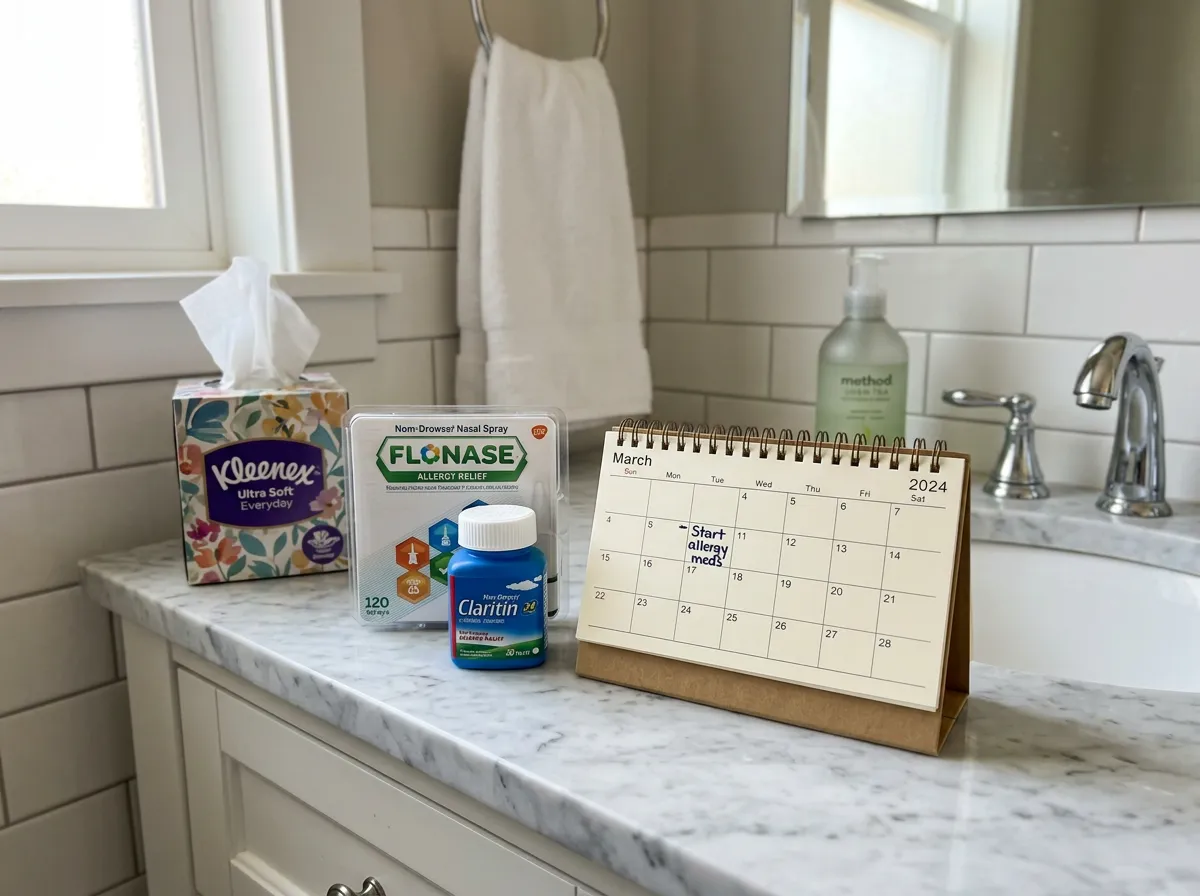
Nasal corticosteroid sprays (fluticasone/Flonase, triamcinolone/Nasacort) are the single most effective OTC treatment for nasal allergy symptoms including congestion, sneezing, and postnasal drip. Dr. Kevin White recommends starting these "at least two weeks before the season starts." The sprays work by reducing inflammation in nasal passages, but they need time to build effectiveness. Once-daily use is typical, and consistency matters more than timing within the day.
Second-generation antihistamines block histamine, the chemical your immune system releases in response to allergens. The three main OTC options are cetirizine (Zyrtec), loratadine (Claritin), and fexofenadine (Allegra). Dr. Mark Aronica at Cleveland Clinic notes that "they all do the same job of blocking the same receptor, but some patients say one medication seems to work better for them." The practical differences: cetirizine acts fastest but has the highest drowsiness risk (3-8% above placebo), fexofenadine is the least sedating (approved for pilots), and loratadine falls in between. Try one for a full week before deciding it doesn't work. Switching antihistamines is reasonable if the first choice isn't effective.
Decongestants like pseudoephedrine (Sudafed) provide temporary relief from severe congestion but should be limited to 10 to 14 days to avoid rebound congestion and cardiovascular effects. They're available behind the pharmacy counter without a prescription. Dr. White confirms that "all three of these medications can be safely combined together to reduce symptoms," referring to antihistamines, nasal steroids, and short-term decongestants used simultaneously on difficult days.
If OTC medications aren't controlling your symptoms after two to three weeks of consistent use, see an allergist. Prescription options include stronger nasal sprays, allergy shots (immunotherapy), and newer sublingual immunotherapy tablets that gradually retrain your immune system's response to specific allergens. Immunotherapy is the only treatment that can potentially reduce allergy severity permanently rather than just managing symptoms.
A Pre-Season Checklist You Can Use Today
If you're reading this in late February or early March, you're in the perfect window to get ahead of spring allergies. Here's a prioritized action list:
This week: buy a HEPA air purifier for your bedroom if you don't have one. Replace your HVAC filter with a MERV 11 to 13 rated filter. Check window seals for gaps. Start taking a daily nasal corticosteroid spray. Begin a daily antihistamine if you had moderate or severe symptoms last year.
Next two weeks: establish the shower-before-bed routine. Set up a clothes-changing station near your door. Move pet bedding out of the bedroom. Wash all bedding in hot water. Download a pollen-tracking app (most weather apps include this now, or try Pollen.com or the Zyrtec AllergyCast app).
Once pollen season starts: keep windows closed during morning hours. Vacuum frequently with a HEPA-filter vacuum. Check daily pollen counts before planning outdoor time. Maintain medication consistently, even on days you feel fine. Inconsistency is what allows inflammation to build back up.
The Short Answer
Spring allergy seasons are starting earlier and hitting harder than they did even a decade ago. The most effective response combines home preparation (HEPA filtration, closed windows, clean floors) with daily habits (shower before bed, change clothes indoors, manage pet access) and proactive medication (nasal steroids and antihistamines started two to three weeks before symptoms appear).
Starting now, while pollen counts are still low, gives your body and your home a head start. The difference between a miserable spring and a manageable one often comes down to those two to three weeks of preparation that most people skip.
Sources
- Air Filters for Allergy Management - American College of Allergy, Asthma & Immunology
- Longer Growing Season, Longer Allergy Season - Climate Central, 2025
- Get a Head Start on Treating Spring Allergies - Cleveland Clinic, February 24, 2026
- Preparing for an Earlier Spring Allergy Season - Banner Health, Dr. Kevin White
- Which OTC Allergy Medicine Works Best? - Cleveland Clinic, Dr. Mark Aronica