
If you subscribe to HBO Max, Paramount+, or both, you're probably wondering what happens to your account now that Paramount is set to acquire Warner Bros. Discovery. The short answer: nothing changes immediately, and you likely have at least a year before any real impact hits your subscription. But the long-term picture involves probable platform consolidation, potential price increases, and a significantly reshaped streaming landscape.
Here's what we actually know, what's still uncertain, and what you should be thinking about.
What the Deal Actually Is
On February 26, 2026, Netflix withdrew its $82.7 billion bid to acquire Warner Bros. Discovery's streaming and studio operations. This cleared the way for Paramount Skydance, led by David Ellison, to acquire the entire company for approximately $111 billion at $31 per share. "Entire company" is the key phrase here: unlike Netflix's offer, which targeted only the streaming and studio divisions, Paramount's deal includes everything, from HBO and Max to CNN, TBS, TNT, Discovery Channel, HGTV, and the Warner Bros. film studio.
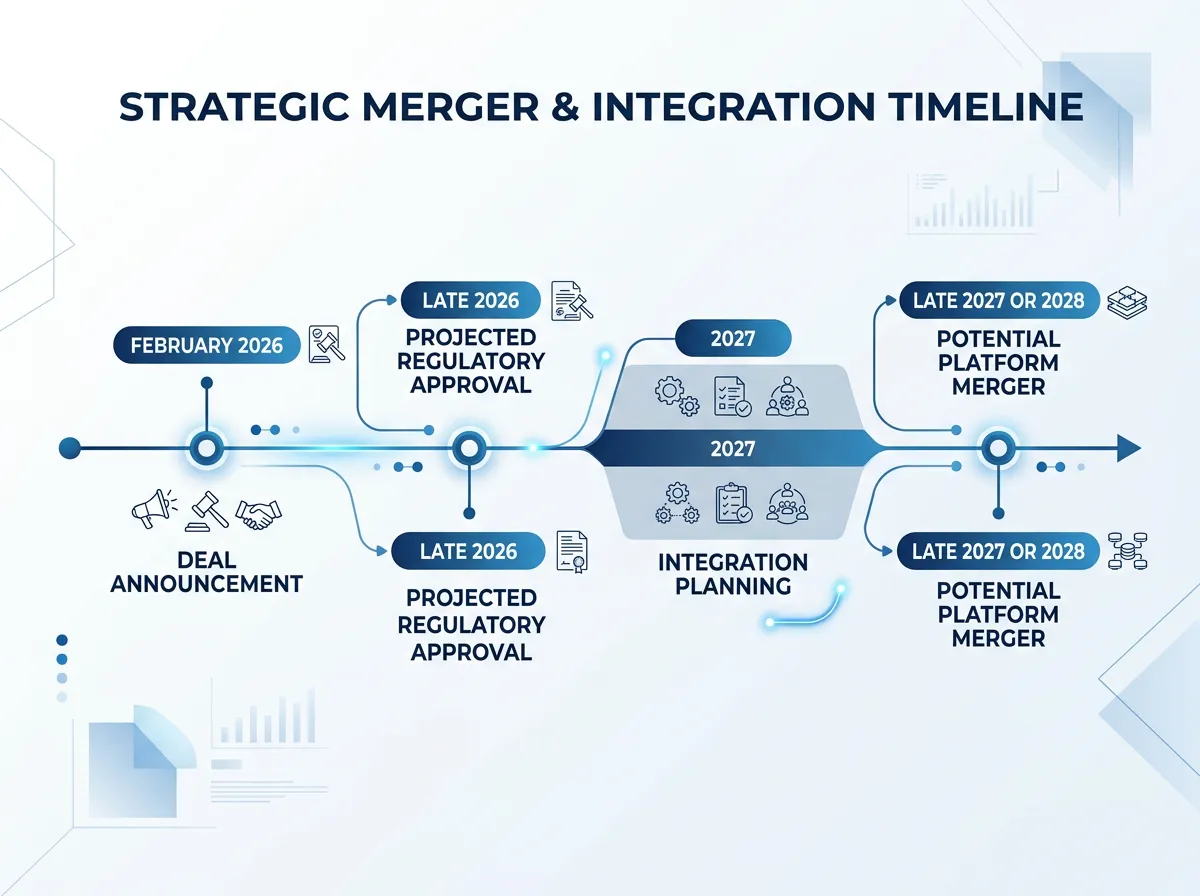
The deal still requires regulatory approval from antitrust authorities and the FCC. Paramount has projected a closing window between September and December 2026. Until the deal officially closes, Max and Paramount+ will continue operating as completely separate services with no changes to your subscription.
What Happens to Your Max Subscription
If you're a Max subscriber paying $10.99/month for the ad-supported Basic plan, $18.49/month for Standard, or $22.99/month for Premium, your subscription will continue unchanged through the regulatory review period and likely for months after closing. Media mergers take time to integrate, and streaming platforms are particularly complex because of existing content licensing agreements, technology infrastructure, and user data migration.
The precedent here is instructive. When Warner Bros. merged with Discovery in 2022, it took over a year for HBO Max and Discovery+ to be combined into the single "Max" platform that exists today. Discovery+ still operates as a standalone app for some subscribers. Based on that timeline, even in a best-case scenario, a full platform merger between Max and Paramount+ wouldn't happen before late 2027 at the earliest.
What you're most likely to see first is content sharing between platforms. Before a full merger, the combined company could start making HBO originals available on Paramount+ or vice versa, similar to how Disney bundled Disney+, Hulu, and ESPN+ before fully integrating Hulu into Disney+. Your Max subscription might start including some Paramount+ content as a selling point, or the company might launch a combined bundle at a new price point.
What Happens to Your Paramount+ Subscription
Paramount+ subscribers, currently paying $8.99/month for the ad-supported Essential plan or $13.99/month for Premium with Showtime, face a similar situation. Your subscription won't change during regulatory review or in the immediate aftermath of closing.
The bigger question for Paramount+ subscribers is whether the platform survives as a standalone brand. Max has stronger brand recognition and a more prestigious content library (HBO is one of the most valuable brands in entertainment). In most merger scenarios, the weaker brand gets absorbed into the stronger one. That pattern suggests Paramount+ content would eventually migrate to Max rather than the other way around.
That said, there's a scenario where both platforms continue to exist as separate tiers within a single service, similar to how Paramount+ currently offers a tier with Showtime content. A combined service might offer a base tier (formerly Paramount+ content) and a premium tier (adding HBO and Max originals). This structure would let the company maintain multiple price points while consolidating the back-end technology.
Will Prices Go Up?
This is the question that matters most to subscribers, and the honest answer is: probably yes, but not solely because of this merger.
Streaming prices have been rising across the board. Netflix increased prices in January 2025. Disney+ has raised prices multiple times. Max and Paramount+ both increased prices in early 2026. The industry-wide trend is toward higher subscription costs as every service abandons the "grow at all costs" strategy of the early streaming wars in favor of profitability.
A combined Max-Paramount+ would have reduced competitive pressure to keep prices low. When you're competing against four other streaming services for subscribers, price is a weapon. When the market consolidates to three or four major players (Netflix, combined Paramount-WBD, Disney+, and Apple TV+), there's less incentive to undercut. Consumer advocacy groups have already flagged this concern, with critics arguing the merger is "an antitrust disaster threatening higher prices and fewer choices for American families."
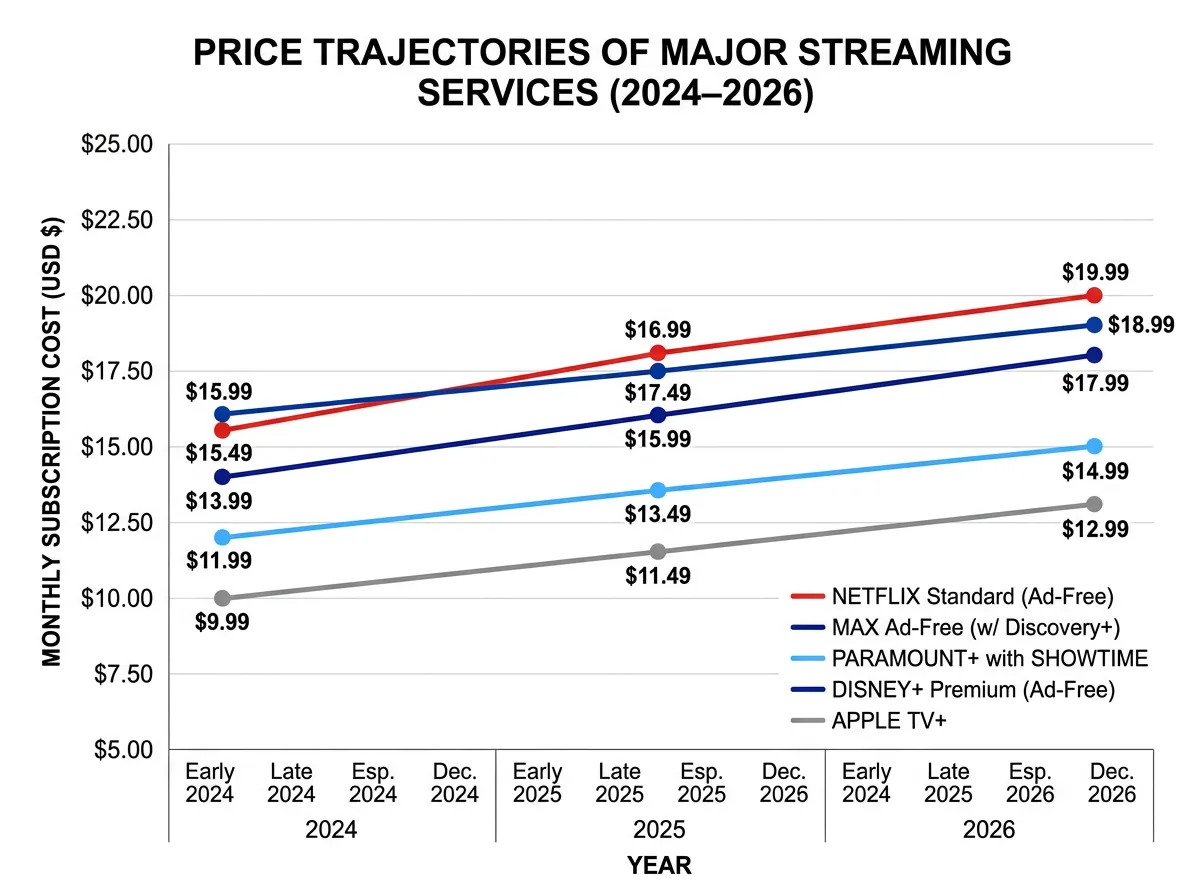
The counterargument is that a combined platform would offer significantly more value. A single subscription that includes HBO dramas, Paramount films, CBS sports, Showtime specials, Discovery reality programming, and CNN news would be one of the most comprehensive streaming offerings available. If the combined service launches at $15-20 per month for an ad-supported tier, that could represent genuine value compared to subscribing to both services separately (currently $19.98/month combined at the cheapest tiers).
What About Content You're Currently Watching?
If you're in the middle of a series on either platform, you won't lose access. Content licensing and availability during a merger transition are governed by existing agreements, and both companies have strong incentives to maintain subscriber satisfaction during what will be a closely watched integration process. Shows already renewed for additional seasons (like HBO's The Last of Us or Paramount+'s Yellowstone spinoffs) will continue production regardless.
Where it gets more interesting is new content. A combined company would have a single, massive content budget rather than two separate ones. This could mean fewer total shows but higher production values, a pattern that Netflix pioneered when it shifted from quantity to quality around 2023. For viewers, that might mean losing some niche programming but gaining access to bigger, more ambitious productions that neither company could have funded alone.
Live sports is another factor. Paramount+ currently carries CBS sports (NFL, Champions League, March Madness), while Max has some sports content through TNT (NBA, NHL). A combined platform could offer a genuinely compelling sports package, though the specific arrangements would depend on upcoming rights negotiations.
What You Should Do Right Now
Nothing. Seriously. There's no action required from subscribers at this point. Don't cancel either subscription in anticipation of a merger that's months away from regulatory approval and potentially years from full integration. Your current plans, pricing, and content access will remain unchanged through at least the end of 2026.
If you subscribe to both services, watch for bundle announcements in late 2026 or early 2027. The combined company will almost certainly offer a discounted bundle as its first post-merger move, and early adopters may get promotional pricing that locks in below whatever the eventual combined price ends up being. The Disney+ and Hulu integration followed this exact playbook, offering bundle deals months before the full platform merge.
The one exception: if you're on an annual plan for either service that's coming up for renewal in the next few months, consider switching to monthly billing temporarily. Annual plans lock in current pricing, which is good, but they also reduce your flexibility to switch to a potentially better-value combined plan when it becomes available.
Key Takeaways
The Paramount acquisition of Warner Bros. Discovery will eventually bring Max and Paramount+ under one roof, but the operative word is "eventually." Regulatory review will take until at least late 2026. Platform integration will take additional months to years after closing. Your current subscriptions won't be affected in the near term.
Prices will likely rise, though they've been rising across all streaming services regardless of mergers. The potential upside for consumers is a single, comprehensive platform with an enormous content library spanning HBO prestige television, Paramount films, CBS sports, and much more. The downside is less competition and fewer options if you don't want to pay for everything bundled together.
The specific thing to watch is the combined company's first consumer-facing announcement after the deal closes, likely in Q4 2026 or Q1 2027. That announcement will reveal whether Ellison's team plans a rapid integration (merged platform within a year) or a gradual approach (separate platforms with shared content for an extended period). Your wallet will eventually feel the impact either way, but for now, keep streaming.
Sources
- In reversal, Warner Bros. jilts Netflix for Paramount - NPR
- Netflix backs out of bid for Warner Bros. Discovery, giving studios, HBO, and CNN to Ellison-owned Paramount - TechCrunch
- Paramount+ Raises Subscription Prices In 2026: What You Need to Know - Screen Rant
- What streaming costs in 2026: The price of Netflix, Disney+, HBO Max and more - Tom's Guide