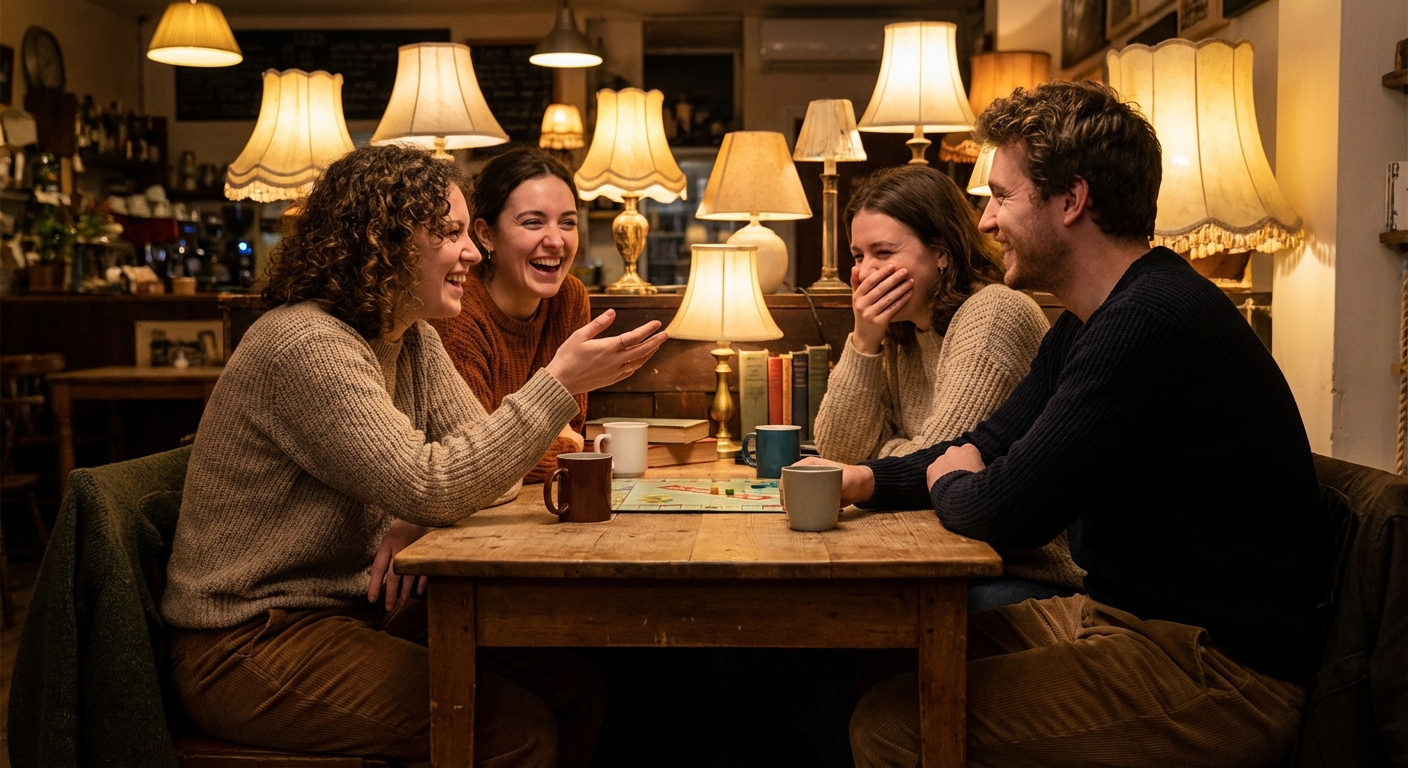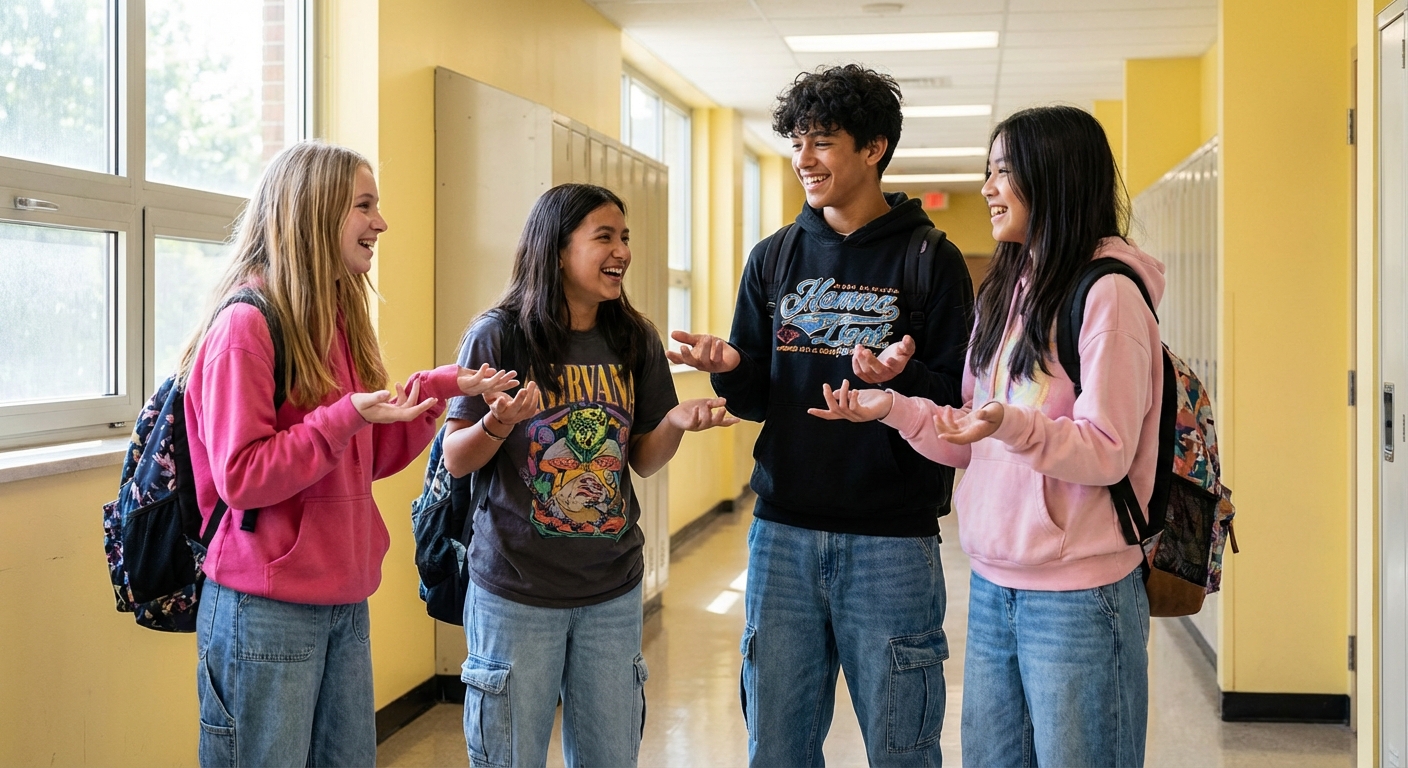
If you have spent any time around children born after 2010, you have probably heard it. “Six-seven.” Sometimes “sixty-seven.” Often accompanied by a hand gesture that looks like someone weighing invisible options. The phrase appears in response to questions, as a greeting, as an expression of agreement, disagreement, confusion, or delight. What does it mean? Absolutely nothing. And that, paradoxically, is precisely the point.
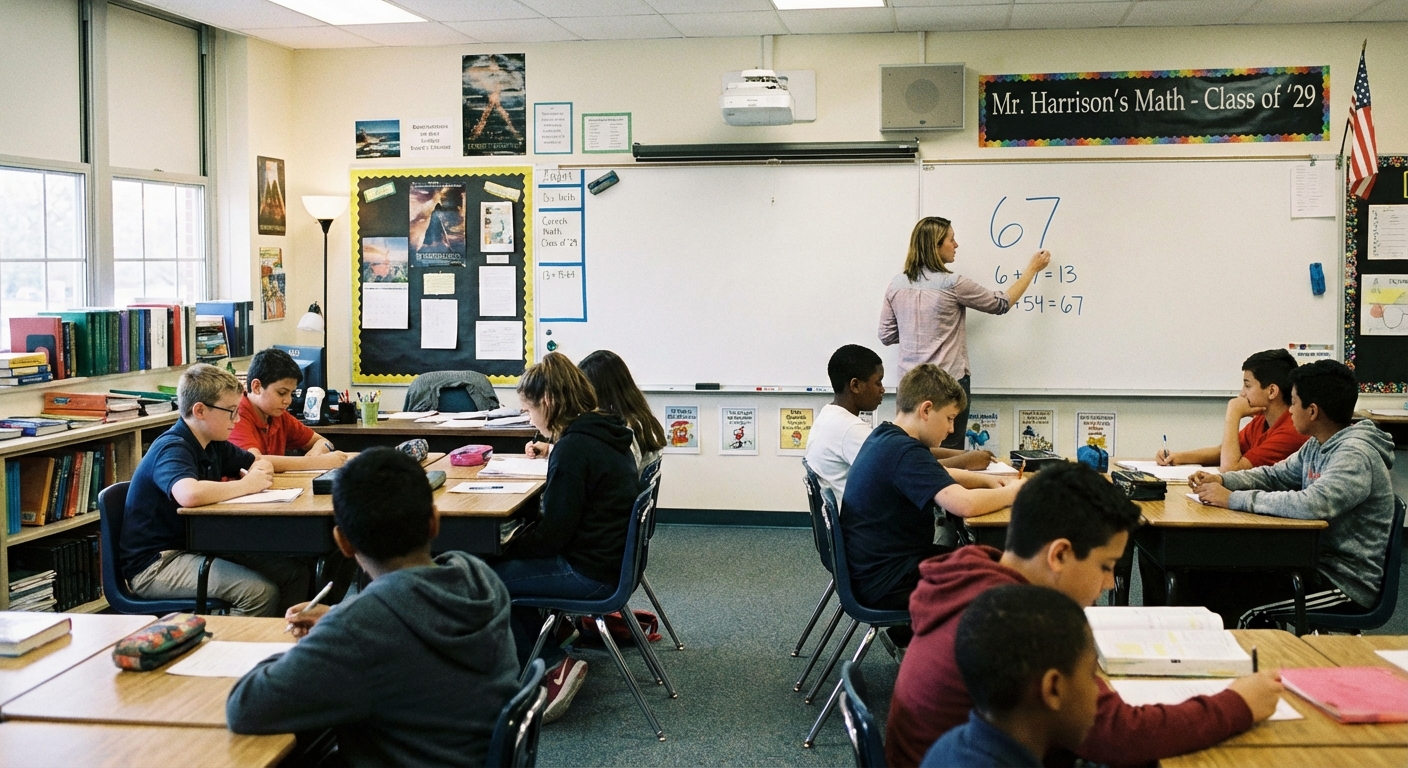
The 67 phenomenon has become 2025’s most inescapable piece of Gen Alpha slang, spreading from schoolyards to TikTok to the broader cultural consciousness with remarkable speed. Teachers have started banning it in classrooms. In-N-Out Burger reportedly removed the number from its ticket ordering system after employees became convinced customers were mocking them. Parents have written concerned posts asking whether their children are speaking in code. The answer is more interesting than a simple yes or no.
The Anatomy of Meaninglessness
What makes 67 unusual among viral phrases is its deliberate vacuity. Most slang carries meaning, even if that meaning is obscure to outsiders. “Rizz” means charisma. “Slay” means to do something impressively. “No cap” means honestly. These terms can be defined, even if the definitions require cultural context. But 67 resists definition not because its meaning is hidden but because no meaning was ever intended.
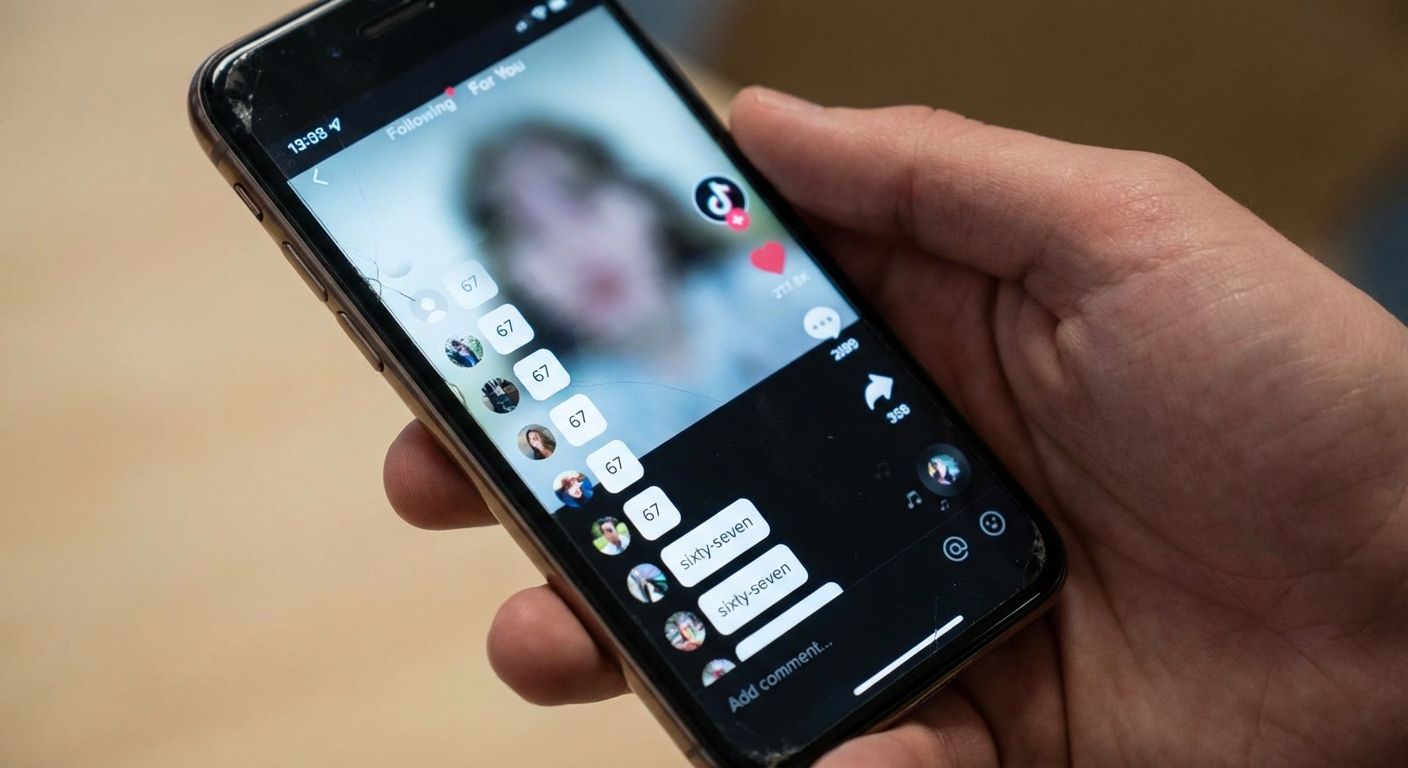
The phrase originated, like so much Gen Alpha slang, on TikTok, where users began saying it as a response that could fit any situation. Asked a question? 67. Something good happen? 67. Something bad happen? 67. The humor derives from the absurdity of using a number as a universal response, and from the confusion it generates in people who expect communication to convey information.
This is not new behavior. Every generation develops in-group language that excludes and confuses outsiders. What distinguishes 67 is its explicit embrace of meaninglessness as the joke. Earlier slang might have been opaque to parents, but it still meant something to the kids using it. 67 means whatever the speaker wants it to mean, which is to say it means nothing at all.
Language as Play
Linguists have long recognized that language serves purposes beyond pure communication. It builds identity, signals group membership, establishes hierarchies, and, crucially, provides entertainment. Children in particular treat language as a form of play, delighting in nonsense words, secret codes, and phrases that adults cannot decode.
What 67 represents is a particularly pure form of this linguistic play. By stripping away meaning entirely, the phrase becomes a game in its simplest form: an in-group signal that rewards participants simply for participating. You say 67; I say 67; we both acknowledge our shared membership in a community that finds this funny. The content of our exchange is irrelevant. The social bond it creates is the point.
This helps explain why adults find the trend so frustrating. Communication, for grown-ups, is typically instrumental. We speak to convey information, request action, or express emotion. When a child responds to a genuine question with “67,” the parent experiences a communication breakdown. But from the child’s perspective, no breakdown has occurred. They were never trying to communicate information. They were playing.
The Generational Divide
Every generation believes the next generation’s slang represents a decline in linguistic standards. Jazz-age parents worried about “bee’s knees” and “cat’s meow.” Baby Boomers fretted over hippie slang. Gen X parents struggled with Valley Girl speak. Millennials endured lectures about text-speak destroying literacy. And now Gen Alpha faces complaints about brain rot and meaningless catchphrases.
Yet language continues to function. Each generation learns formal communication when it matters while maintaining casual registers for social interaction. The 67 phenomenon may seem like evidence of declining standards, but it exists alongside formal language, not in place of it. The same children who respond to friends with meaningless numbers can write coherent essays when school requires it.
What has changed is visibility. Previous generations developed their slang in relative privacy, in schoolyards and basements, away from adult surveillance. Social media has blown the doors off youth culture, exposing every trend to immediate adult scrutiny and mockery. This accelerates the lifecycle of slang, as phrases that become known to parents lose their in-group value, but it also amplifies adult anxiety about what kids are saying.
The Philosophy of Nonsense
There is a long tradition in art and philosophy of embracing meaninglessness as a form of resistance. Dadaism emerged in response to World War I as a rejection of the rational systems that had led Europe to unprecedented slaughter. The Dadaists created art that deliberately made no sense, arguing that sense itself had become the enemy. Their nonsense was a protest against a world where sensible people committed atrocities.
Gen Alpha’s embrace of meaninglessness exists in a different context but may serve a similar psychological function. These children have grown up in an era of information overload, where everyone has opinions about everything and those opinions are broadcast constantly. Meaning is everywhere, competing for attention, demanding engagement. In this environment, meaninglessness becomes a form of relief.
By saying 67, a child opts out of the meaning economy entirely. They refuse to participate in the endless cycle of content and engagement. The phrase is a shrug in word form, a declaration that not everything needs to mean something. In a world saturated with hot takes and discourse, there is something almost Zen about a response that points to nothing at all.
What Comes Next
The 67 trend will inevitably fade. Slang dies when it becomes too widely known, too associated with trying too hard, or simply when something newer comes along. Within a year or two, saying 67 will mark someone as out of touch, still using yesterday’s phrases. A new bit of nonsense will take its place, equally baffling to adults, equally cherished by the young.
But the pattern it represents will continue. Each generation will find ways to speak that exclude outsiders and confuse parents. Each generation of parents will worry about what this means for literacy, communication, and the future of language. And each time, language will adapt and survive, incorporating some slang into the mainstream while discarding the rest.
The persistence of linguistic play across generations should be reassuring. It means that childhood still includes rebellion, creativity, and the pure joy of annoying adults. In an era of helicopter parenting and algorithmic childhood, the simple ability to confuse grown-ups with meaningless numbers represents a small but significant zone of freedom. 67 may mean nothing, but the impulse behind it means everything.

The Bigger Picture
The 67 phenomenon reveals something important about how language works. Meaning is not inherent in words but is assigned by communities of speakers. Most of the time, we agree on meanings because shared definitions enable communication. But language can also work through shared confusion, through the acknowledgment that we are all in on the same absurd joke.
Gen Alpha will grow up, adopt serious vocabularies for serious contexts, and eventually shake their heads at whatever nonsense their own children are spouting. The cycle will continue. In the meantime, 67 serves as a reminder that communication is more than information transfer. It is connection, play, identity, and sometimes, blissful, liberating nonsense.
When your child responds to your earnest question with “sixty-seven,” they are not failing to communicate. They are communicating something real: that they belong to a community you do not fully understand, that they have discovered the joy of linguistic rebellion, and that some things are funny precisely because they make no sense. In that light, 67 might be the most meaningful meaningless phrase ever invented.