
How do you reduce microplastics in your food and water? The most effective steps are filtering your drinking water with a reverse osmosis or activated carbon system, avoiding heating food in plastic containers, replacing plastic food storage with glass or stainless steel, and reducing your consumption of heavily packaged processed foods. Research published in the journal Environmental Science & Technology estimates that the average person ingests between 39,000 and 52,000 microplastic particles per year through food alone, with additional exposure from water and air. While eliminating microplastics entirely is impossible in the modern world, targeted changes to how you store, prepare, and consume food can significantly reduce your intake.
A 2024 study from the University of New Mexico found microplastics in every human tissue sample tested, including brain, liver, and kidney tissue. The World Health Organization has stated that more research is needed on health effects, but preliminary studies have linked microplastic exposure to inflammation, oxidative stress, and disruption of the gut microbiome. You don't need to wait for conclusive long-term data to take practical precautions.
Start With Your Drinking Water
Water is one of the largest sources of microplastic ingestion, and it's also where you can make the biggest immediate impact.
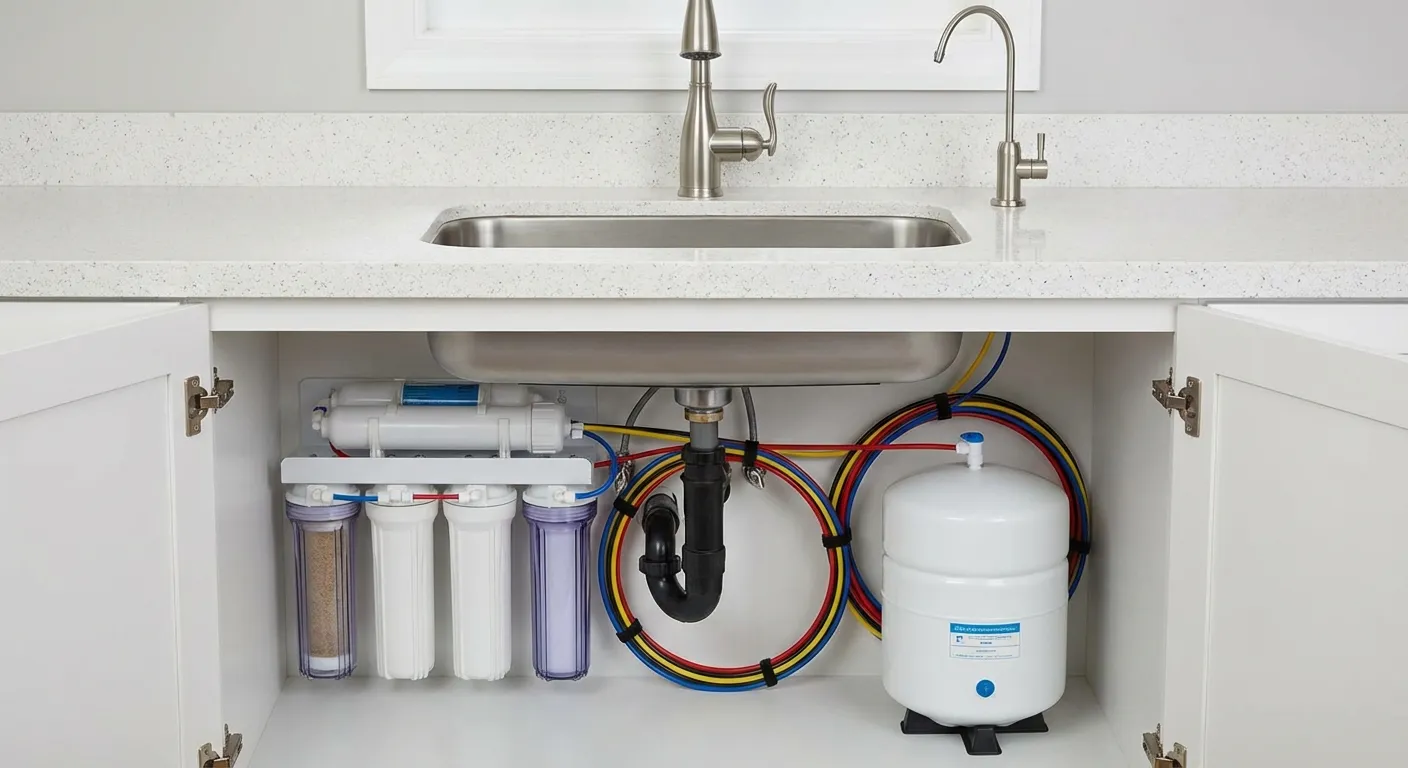
Reverse osmosis (RO) filtration removes up to 99.9% of microplastics from tap water, according to testing by the Water Quality Association. RO systems push water through a semi-permeable membrane with pores small enough to trap particles as small as 0.001 microns, well below the size of most microplastics. Under-sink RO systems cost between $150 and $500 and are straightforward to install.
Activated carbon block filters, including popular pitcher-style filters like those from Brita, reduce microplastics by 70% to 80% based on testing by the environmental research organization Orb Media. These filters are less effective than RO but significantly better than no filtration at all. If you use a pitcher filter, replace the cartridge on schedule, as an old filter becomes less effective over time.
Boiling tap water before filtering it can help too. A February 2024 study published in Environmental Science & Technology Letters found that boiling hard tap water for five minutes and then filtering it through a simple coffee filter removed up to 90% of microplastics. The boiling causes minerals in the water to form crystals that trap plastic particles, which are then captured by the paper filter.
Bottled water is not the solution. Studies consistently find more microplastics in bottled water than in tap water. A Columbia University study using advanced imaging found roughly 240,000 nanoplastic particles per liter in bottled water, about 100 times more than previously estimated. The plastic bottles themselves shed particles into the water, especially when exposed to heat or sunlight. If you're looking into water filtration and other home health improvements, our guide on setting up automatic savings can help you budget for equipment like an RO system without a large upfront hit.
Rethink How You Store and Heat Food
The kitchen is where many of the most impactful changes happen, because heat and plastic are a particularly problematic combination.
Never microwave food in plastic containers, even those labeled "microwave safe." Research from the University of Nebraska-Lincoln found that microwaving food in plastic releases billions of nanoplastic particles per square centimeter of container surface. The "microwave safe" label means the container won't melt or warp, not that it won't release particles. Transfer food to glass or ceramic dishes before heating.
Avoid putting hot food in plastic containers. Even without a microwave, placing freshly cooked hot food into plastic storage containers causes particle release. Let food cool before storing it, or use glass, stainless steel, or ceramic containers instead.
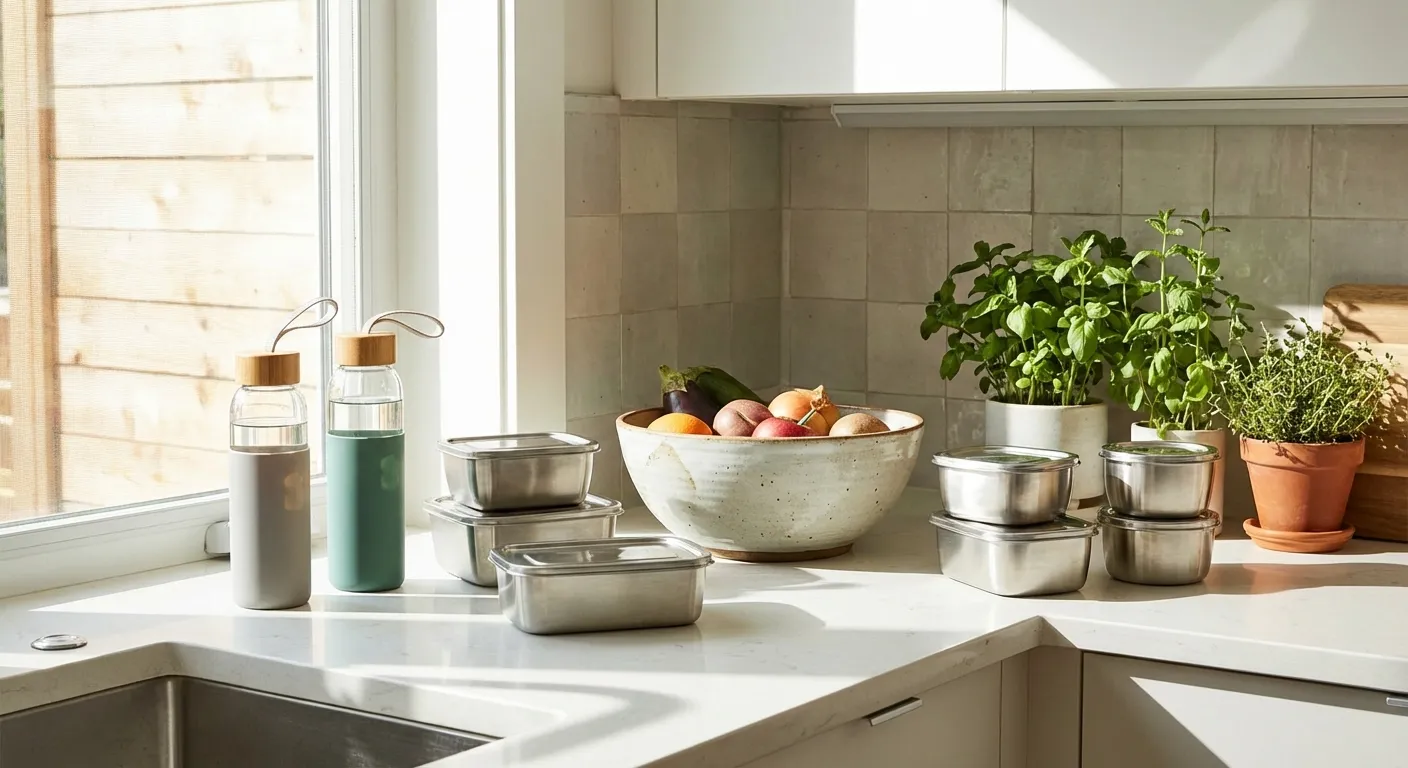
Replace plastic food storage gradually. You don't need to throw away every plastic container at once. As containers wear out, scratch, or become stained, replace them with glass alternatives. Borosilicate glass containers with silicone-sealed lids are durable, microwave-safe, and available at comparable prices to quality plastic containers.
Cut back on plastic cutting boards. A study published in Environmental Science & Technology found that a single plastic cutting board can release between 14 million and 71 million microparticles per year through normal use. Wood and bamboo cutting boards are effective alternatives that don't shed plastic particles.
Food Choices That Reduce Exposure

Certain foods contain higher levels of microplastics than others, primarily because of how they're processed, packaged, and transported.
Seafood tends to contain more microplastics because marine organisms ingest particles from ocean water. Shellfish like mussels and oysters are among the most concentrated sources because you eat the entire organism, including the digestive tract. This doesn't mean you should avoid seafood entirely, as the nutritional benefits are well established, but it's worth knowing that seafood contributes to overall exposure.
Tea bags made from nylon or polyethylene terephthalate (PET) mesh release billions of microplastic particles when steeped in hot water. A McGill University study found that a single plastic tea bag releases approximately 11.6 billion microplastics and 3.1 billion nanoplastics per cup. Switch to loose-leaf tea with a stainless steel infuser, or choose brands that use paper bags.
Processed foods packaged in plastic undergo more contact with packaging materials during manufacturing, shipping, and storage. While the research on specific processed foods is still developing, choosing less packaged whole foods when practical reduces one variable in your overall exposure.
Salt varies significantly by source. Sea salt contains more microplastics than rock salt or Himalayan salt, reflecting the contamination of ocean water. If reducing microplastic exposure is a priority, choosing non-marine salt is a simple swap.
Practical Changes Beyond the Kitchen
Microplastics in food and water account for a significant portion of exposure, but other household sources contribute too.
Wash synthetic clothing carefully. Polyester, nylon, and acrylic fabrics shed microfibers during washing. These fibers enter water treatment systems and eventually the food chain. Washing synthetic clothes in a microfiber-catching laundry bag (like a Guppyfriend bag) traps 80% to 90% of shed fibers. Washing in cold water and using shorter cycles also reduces shedding.
Dust regularly. Indoor dust contains microplastic fibers shed from carpets, upholstery, and synthetic clothing. Regular vacuuming with a HEPA filter and wet dusting reduces the particles available to be inhaled or settle on food surfaces.
Open windows when possible. Indoor air typically contains higher concentrations of microplastic particles than outdoor air, according to research published in Environmental Pollution. Ventilation dilutes indoor concentrations. If you're interested in other ways to improve your indoor environment, our guide to what happens when you stop drinking alcohol covers another area where small lifestyle changes compound into significant health benefits.
What the Research Says About Health Risks
The science on microplastic health effects is evolving rapidly. A landmark study published in the New England Journal of Medicine in March 2024 found that people with microplastics detected in their arterial plaque had a 4.5 times higher risk of heart attack, stroke, or death over a 34-month follow-up period compared to those without detectable levels. The researchers cautioned that the study showed correlation, not proven causation, but the association was strong enough to warrant attention.
The World Health Organization's current position is that microplastics in drinking water do not appear to pose a health risk "at current levels," but they've acknowledged that the research is incomplete and more studies are needed, particularly on smaller nanoplastics that can cross cellular barriers. The European Food Safety Authority has similarly called for more data while noting the plausibility of harmful effects.
The precautionary principle suggests taking reasonable steps now while the science catches up. The changes described in this article, filtering water, avoiding heating plastic, and choosing alternative materials, are low-cost, practical, and carry no downsides beyond minor inconvenience.
What to Remember
You can meaningfully reduce your microplastic exposure through straightforward changes. Filter your drinking water with reverse osmosis or activated carbon. Stop microwaving food in plastic. Replace worn plastic food containers with glass. Choose loose-leaf tea over plastic tea bags. Wash synthetic clothes in a microfiber bag. These steps won't eliminate exposure completely, but they address the largest and most controllable sources. The research on health effects is still developing, but the precautions are inexpensive, easy, and sensible regardless of how the science ultimately settles.
Sources
- Microplastics in Drinking Water - World Health Organization
- Microplastics Found in Every Human Tissue Tested - University of New Mexico / Toxicology Letters
- Drinking Boiled Tap Water Reduces Microplastic Intake - Environmental Science & Technology Letters
- Nanoplastics in Bottled Water - Columbia University / Proceedings of the National Academy of Sciences
- Microplastics and Cardiovascular Disease - New England Journal of Medicine