
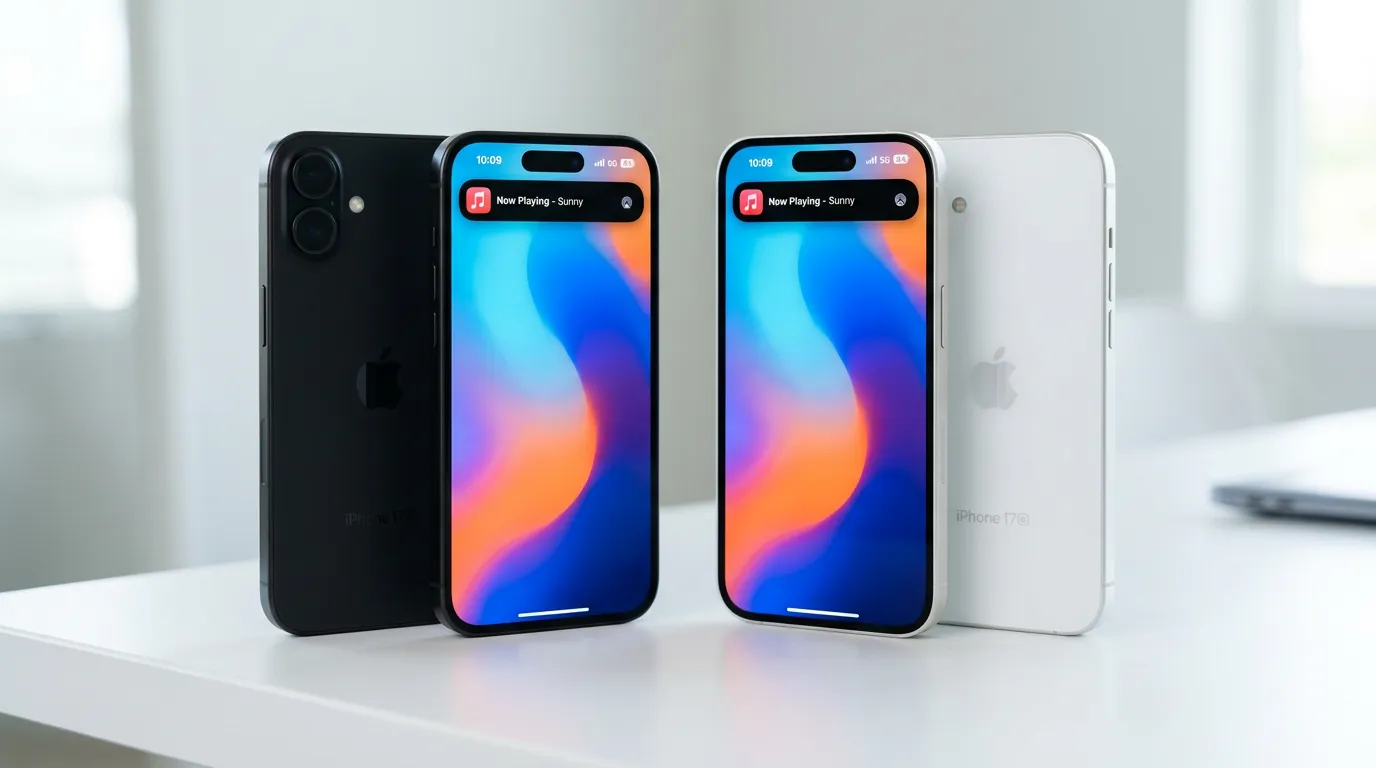
Apple's most affordable new iPhone is about to launch. The iPhone 17e, successor to last year's iPhone 16e, arrives through Apple's "Special Apple Experience" event starting March 4, 2026. If you've been holding out for a cheaper iPhone that still runs Apple Intelligence, this is the phone Apple designed for you.
The quick answer on whether it's worth it: if you're on an iPhone 13 or older, the iPhone 17e at $599 is a compelling upgrade. If you bought the iPhone 16e last year, the improvements are nice but not urgent. Here's the full breakdown of what's new, what stayed the same, and how it fits into Apple's 2026 lineup.
What's New in the iPhone 17e
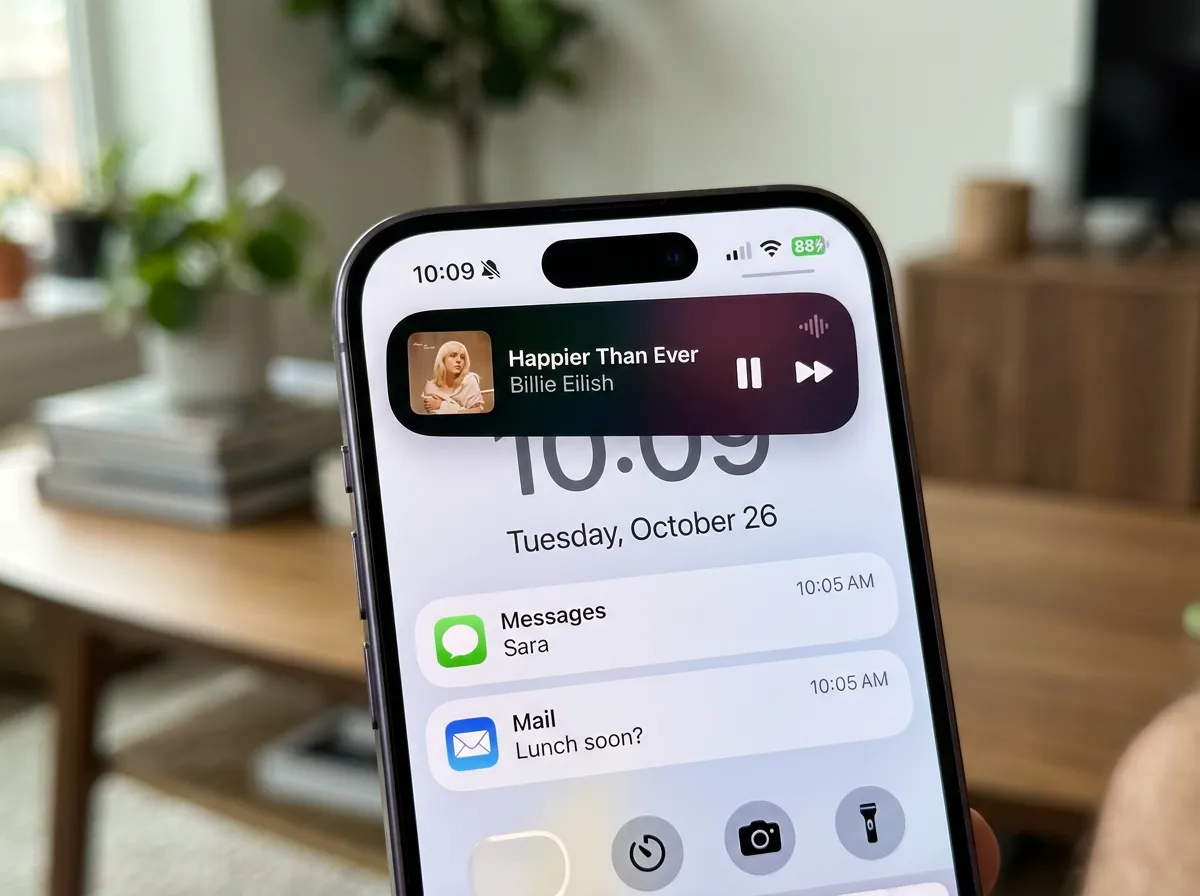
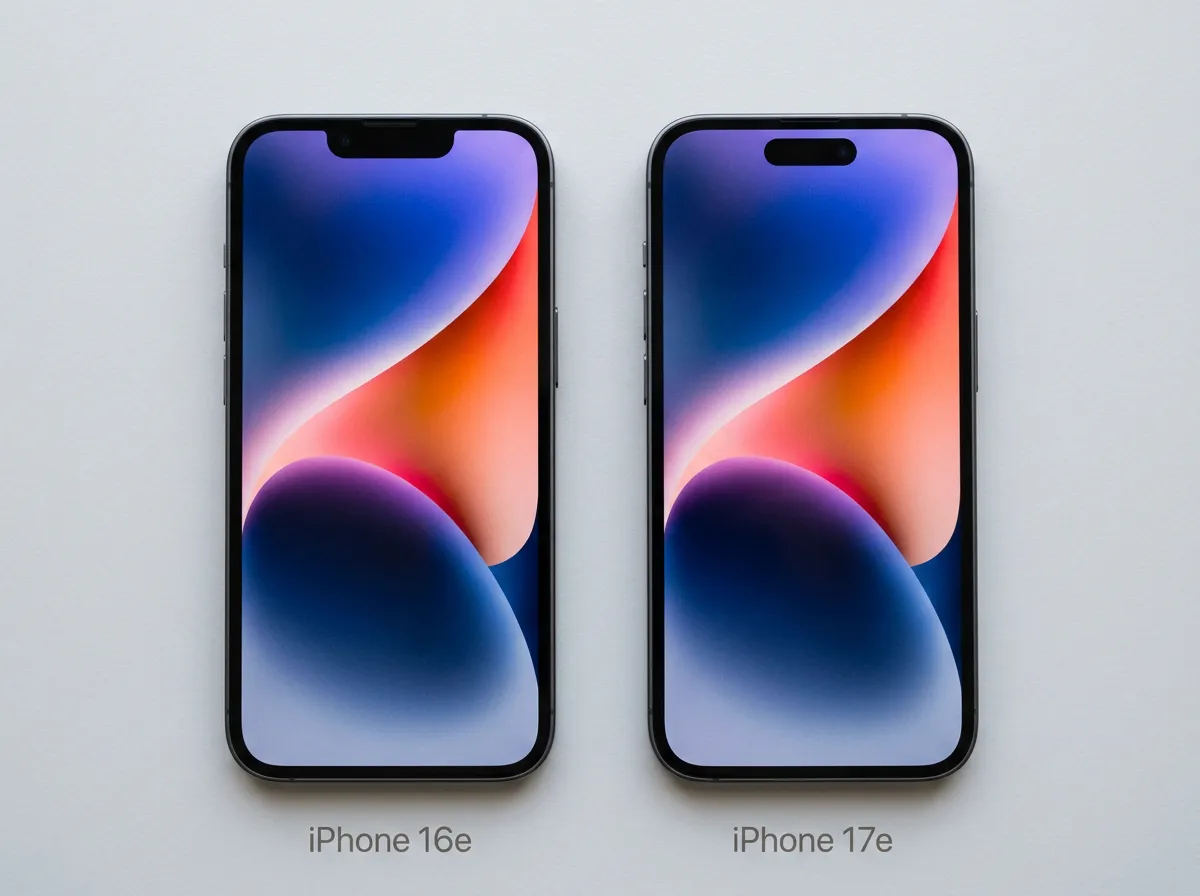
The biggest visible change is the switch from the iPhone 16e's notch to Dynamic Island, the pill-shaped cutout that debuted on the iPhone 14 Pro in 2022. Dynamic Island isn't just cosmetic. It displays live activities like timers, music playback, navigation directions, and sports scores without opening the associated app. For a phone positioned as Apple's entry-level option, getting this feature closes one of the most noticeable gaps between the budget and premium iPhone lines.
Under the hood, the A19 chip replaces the A18, built on an upgraded N3P 3-nanometer process from TSMC. Apple hasn't published official benchmark numbers yet, but MacRumors estimates a 5 to 10% performance improvement based on the architectural changes. The chip uses a 4-core GPU (one fewer than the standard iPhone 17's 5-core version), which is how Apple keeps costs down while maintaining processing parity for most tasks. The updated Neural Engine matters most here: it's the component that powers Apple Intelligence features, and faster AI processing means Siri responses, text summaries, and photo editing tools all run more smoothly.
The other headline upgrade is MagSafe support. The iPhone 16e was one of the last iPhones without it, limiting wireless charging to 7.5W Qi speeds. The 17e adds the full MagSafe ring, enabling 25W wireless charging and compatibility with the entire MagSafe accessory ecosystem: wallets, car mounts, battery packs, and stands. If you've been envious of MagSafe accessories but didn't want to spend $999 or more on a Pro model, this is a significant addition.
The front camera is expected to jump from 12MP to 18MP, potentially with a square sensor design that works regardless of how you hold the phone. The rear camera stays at a single 48MP wide-angle lens, unchanged from the 16e's hardware, but computational photography improvements from the A19 chip should improve detail, dynamic range, and low-light performance in practice.
What Stayed the Same
Apple kept several specifications unchanged, and it's worth knowing what you're not getting before deciding whether to upgrade.
The display remains a 6.1-inch OLED panel running at 60Hz. Apple still reserves its 120Hz ProMotion displays for the Pro line, which means scrolling, animations, and general screen responsiveness won't feel as fluid as on an iPhone 17 Pro or Pro Max. For most people who aren't comparing side by side, 60Hz is perfectly fine. But if you've used a 120Hz phone (including many Android devices under $400), you'll notice the difference.
Storage starts at 128GB, matching the 16e. Rumors of a 256GB base option haven't been confirmed. RAM stays at 8GB, which is sufficient for Apple Intelligence but doesn't leave as much headroom for multitasking as the 12GB in Pro models. The phone keeps its aluminum body, USB-C port, and Action Button from the previous generation. Colors are expected to remain limited to black and white.
There's no Camera Control button, the physical button on the iPhone 17 and Pro models that provides quick camera access and gesture controls. And Apple may skip the new N1 Wi-Fi/Bluetooth chip to keep costs down, though this point is still debated among supply chain analysts. If Apple does omit the N1, Wi-Fi speeds will be adequate but not cutting-edge.
How It Compares to the iPhone 16e
If you bought the iPhone 16e last year, here's what you'd gain by upgrading:
The A19 chip offers modest performance improvement over the A18 but isn't a generational leap. Dynamic Island is the most noticeable daily-use upgrade, giving you glanceable information that the notch simply can't provide. MagSafe changes the charging experience entirely, going from 7.5W to 25W wireless charging and opening the door to Apple's accessory ecosystem. The front camera improvement from 12MP to 18MP will matter if you take a lot of selfies or video calls. Thinner bezels make the phone look more modern, though the screen size is identical.
The honest assessment: for iPhone 16e owners, this isn't a must-upgrade. The 16e remains a fully capable phone with Apple Intelligence support. If MagSafe and Dynamic Island aren't high priorities for you, waiting another year is reasonable. The phone will likely still trade in for $250 to $300 at that point, making next year's upgrade more cost-effective.
Where the iPhone 17e Fits in Apple's 2026 Lineup
Apple now sells five iPhone 17 models, and understanding the lineup helps explain who the 17e is for.
The iPhone 17e at $599 is the entry point: the cheapest way to get a new iPhone with Apple Intelligence. Above it, the iPhone 17 at roughly $799 adds a second camera, 120Hz display, and faster Wi-Fi. The iPhone Air, Apple's ultra-thin premium option, slots in around $899. The iPhone 17 Pro at $999 and iPhone 17 Pro Max at $1,199 add the best cameras, ProMotion displays, titanium bodies, and maximum processing power.
The 17e's value proposition is clear: it delivers Apple Intelligence, Dynamic Island, and MagSafe for $200 to $600 less than the alternatives. MacRumors describes it as delivering "flagship-level performance in a phone that will cost hundreds of dollars less." That's accurate with one caveat: "flagship-level" applies to processing and AI features, not to camera hardware, display refresh rate, or build materials.
For people upgrading from an iPhone SE (2nd or 3rd generation), iPhone 12, or iPhone 13, the jump is substantial across every dimension. Those older phones lack Apple Intelligence entirely, have smaller and less capable displays, and are approaching the end of their software support window. The 17e provides a modern experience at the lowest price Apple offers, and the A19 chip should keep it relevant for five or more years of software updates.
The Apple March Event: What to Expect
Apple is calling its March 4 launch a "Special Apple Experience" rather than a traditional keynote. Bloomberg's Mark Gurman reports that Apple plans at least five product announcements spread across a three-day rollout from March 2 through March 4, with simultaneous events in New York, London, and Shanghai.
Beyond the iPhone 17e, expected announcements include a budget MacBook with an A-series chip priced around $699 to $750, MacBook Pro models with M5 Pro and M5 Max chips, an eighth-generation iPad Air, and a 12th-generation base iPad. A significant Siri update is also anticipated, with improved contextual awareness and on-device processing powered by the same Neural Engine improvements in the A19 chip.
Pre-orders for the iPhone 17e are expected to open shortly after the March 4 event, with in-store availability likely by mid-March. Pricing is expected to hold at $599 for the base model, which Macworld notes may be possible because Apple's lower component costs for the 17e help offset potential tariff impacts.
Key Takeaways
The iPhone 17e is Apple's most affordable path to its current feature set. At $599, you get the A19 chip with full Apple Intelligence support, Dynamic Island for live notifications, MagSafe for fast wireless charging and accessory compatibility, and a capable 48MP camera. You don't get 120Hz ProMotion, multiple rear cameras, or premium build materials.
Upgrade if you're on an iPhone 13 or older, any iPhone SE model, or if MagSafe and Dynamic Island are features you've been wanting. The phone will be announced March 4 at Apple's event, with sales expected mid-March.
Wait if you bought the iPhone 16e within the past year. The improvements are real but incremental, and your current phone will receive Apple Intelligence updates for years to come.
Sources
- What to Expect From the iPhone 17e - MacRumors, February 23, 2026
- Apple's Next iPhone: iPhone 17e Guide - MacRumors
- Apple iPhone 17e: Release Date, Specs, Features & Price - Macworld
- Expect Five Announcements During Apple's March Launch Week - AppleInsider, February 22, 2026
- iPhone 17e vs. iPhone 16e: Rumored Upgrades - Tom's Guide, February 17, 2026