
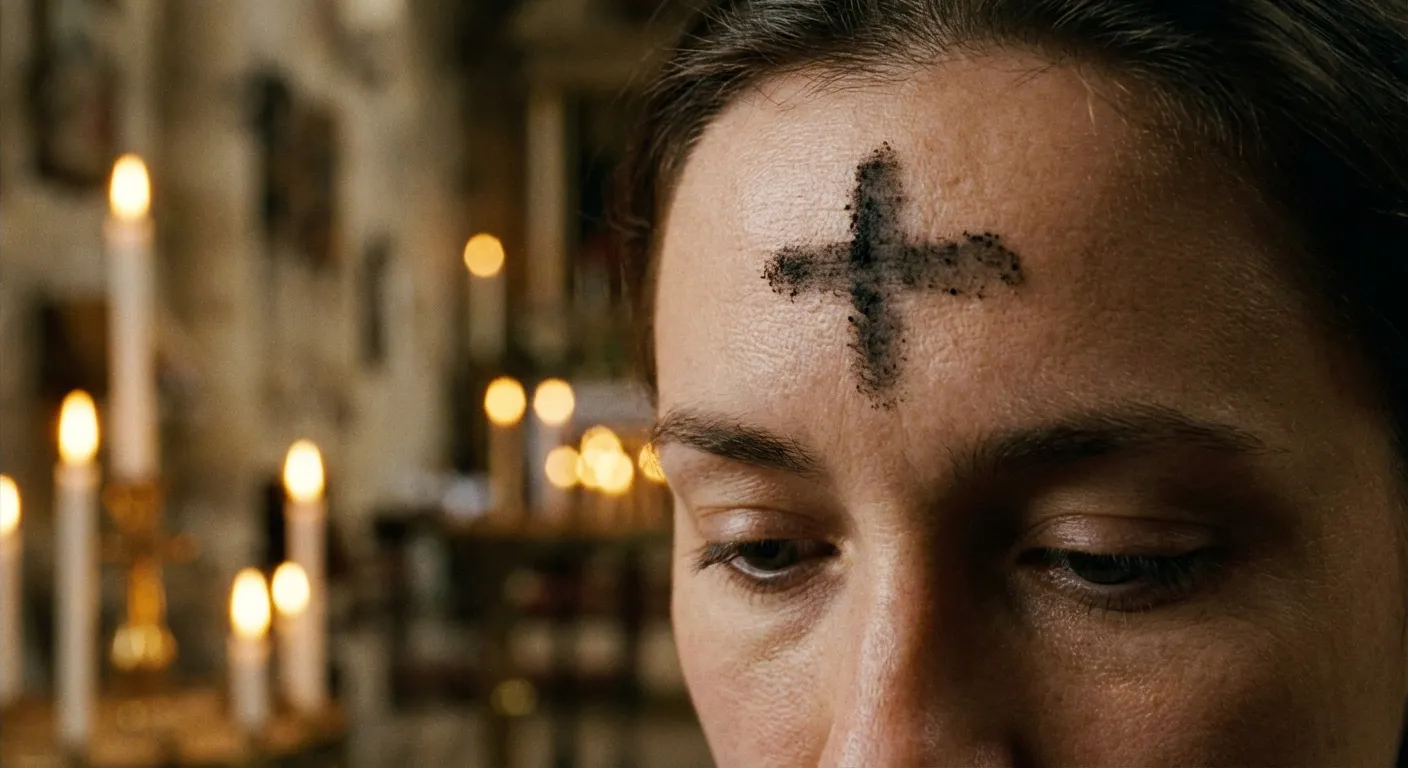
Lent 2026 begins today. Ash Wednesday falls on February 18, 2026, and Lent runs for 40 days through Thursday, April 2, with Easter Sunday arriving on April 5. If you searched this question because you saw people walking around with ash on their foreheads and weren't sure what was happening, you're far from alone. Roughly 2.4 billion Christians worldwide observe some form of Lent, making it one of the most widely practiced religious seasons on the planet, yet the specific rules and dates shift every year.
The date changes because Lent is tied to Easter, which is calculated using a lunar formula established at the Council of Nicaea in 325 AD. Easter falls on the first Sunday after the first full moon following the spring equinox, and Ash Wednesday is always 46 days before that (40 days of Lent plus six Sundays, which traditionally don't count as fasting days). That's why Lent can start as early as February 4 or as late as March 10, depending on the year.
What the Fasting Rules Actually Require
The rules depend heavily on which Christian tradition you belong to, and even within traditions, there's more flexibility than most people realize. Here's what the major branches actually require.
For Roman Catholics, the United States Conference of Catholic Bishops outlines two mandatory fasting days: Ash Wednesday (February 18) and Good Friday (April 3). On those days, Catholics aged 18 to 59 may eat one full meal and two smaller meals that together don't equal a full meal. Snacking between meals isn't permitted. Separately, all Catholics aged 14 and older must abstain from meat on Ash Wednesday and every Friday during Lent. Fish, eggs, and dairy are allowed. Those who are pregnant, nursing, ill, or have physically demanding jobs are exempt from fasting obligations.
Beyond those two mandatory days, the Church encourages voluntary fasting and self-denial throughout the season. This is where the tradition of "giving something up for Lent" comes from. Common choices include chocolate, alcohol, social media, or other daily indulgences. The practice is meant to mirror, in a small way, the 40 days Jesus spent fasting in the desert, as described in the Gospels of Matthew, Mark, and Luke.

How Protestant and Orthodox Christians Observe Lent Differently
Protestant approaches to Lent vary dramatically by denomination. Most mainline Protestant churches, including Anglicans, Lutherans, Methodists, and Presbyterians, observe the season with special services, readings, and voluntary fasting. However, there is typically no mandatory fasting requirement. The emphasis falls on prayer, repentance, and spiritual reflection rather than strict dietary rules. Many evangelical and nondenominational churches don't formally observe Lent at all, though individual members may choose to participate.
The Anglican tradition comes closest to Catholic practice. The Book of Common Prayer designates Ash Wednesday and Good Friday as days of fasting and lists the weekdays of Lent as days of "special devotion." In practice, most Anglican parishes offer Ash Wednesday services with the imposition of ashes and encourage members to adopt a Lenten discipline of their choosing, whether that means giving up a habit, taking on a new spiritual practice, or both.
Eastern Orthodox Christians follow the strictest Lenten fast of any major Christian tradition. Great Lent in the Orthodox Church begins on Clean Monday, which falls on February 23, 2026 (later than Western Ash Wednesday because Orthodox Easter is calculated using the Julian calendar). The Orthodox fast prohibits meat, fish, dairy, eggs, olive oil, and wine on most days during Great Lent, though the rules relax on weekends and certain feast days. Fish is permitted on the Annunciation (March 25) and Palm Sunday. The first week and Holy Week feature the strictest fasting, with some devout Orthodox Christians eating nothing at all on the first day.
These differences reflect centuries of divergent theological development. The Catholic Church significantly relaxed its Lenten fasting rules after the Second Vatican Council in the 1960s. Before that era, Catholics followed rules much closer to what Orthodox Christians still observe today, including year-round Friday abstinence from meat and stricter Lenten regulations. If you read historical accounts of Lent from before 1966, they describe a season that would be almost unrecognizable to most modern Catholics.

Common Misconceptions About Lent
Several widespread beliefs about Lent don't hold up to scrutiny. The most persistent is the idea that Sundays "don't count," which is technically correct in a specific sense but misleading. The 40 days of Lent exclude Sundays because every Sunday is considered a "mini-Easter" celebrating the Resurrection. However, this doesn't mean Sundays are a free pass to abandon whatever you gave up. The Church's official position is that Sundays are not obligatory fasting days, but voluntarily maintaining your Lenten discipline on Sundays is encouraged. In practice, many observers do relax their commitments on Sundays, and the theological debate about whether this is appropriate has been running for centuries.
Another common misconception involves fish. The Friday abstinence rule prohibits meat, which the Church defines as the flesh of warm-blooded animals. Fish, being cold-blooded, doesn't fall under this prohibition. This wasn't a loophole or a medieval scheme by the fishing industry (a popular internet myth). It reflected the medieval understanding that meat from land animals was a luxury, while fish was considered a humbler food. Today, of course, a lobster dinner is considerably more extravagant than a hamburger, which has led some Catholic commentators to argue that the spirit of the rule matters more than the letter.
The idea that Lent is exclusively Catholic is also inaccurate. As noted above, Orthodox, Anglican, Lutheran, Methodist, and Presbyterian churches all observe Lent in various forms. Even some traditions that historically rejected Lent, including certain Baptist and Pentecostal congregations, have seen growing interest in recent years. A 2024 survey by Lifeway Research found that approximately 25% of American Protestants reported observing Lent in some form, up from roughly 15% a decade earlier. If you're curious about yesterday's closely related holiday, our piece on what Shrove Tuesday is and why we eat pancakes explains the day that traditionally precedes Ash Wednesday.
Why the Dates Matter Beyond the Church
Even if you don't observe Lent, the season shapes the calendar in ways that affect everyone. Mardi Gras, one of the biggest tourism events in the United States, exists specifically because it's the last day before Lent begins. Carnival celebrations in Brazil, Germany, and Italy follow the same logic. The entire multi-billion-dollar pre-Lenten party industry exists because of the fasting season that follows.
Lent also has measurable effects on food markets. Seafood sales spike noticeably during Lent, particularly on Fridays. The National Fisheries Institute has documented annual increases in fish consumption during the Lenten season, and fast-food chains like McDonald's have historically timed fish sandwich promotions to coincide with Lent. The Filet-O-Fish, in fact, was invented in 1962 specifically to serve Catholic customers in Cincinnati who couldn't eat meat on Fridays. Understanding how food traditions persist long after their original context fades helps explain why these commercial patterns continue even as overall religious observance declines.
The cultural footprint extends beyond food. In many Catholic-majority countries, Lent influences entertainment schedules, wedding planning (traditional Catholics avoid weddings during Lent), and even political calendars. In the Philippines, Holy Week is a national holiday. In parts of Latin America, Lenten processions are major civic events that shut down city centers for days.
The Short Answer
Lent 2026 starts today, Wednesday, February 18 (Ash Wednesday), and ends Thursday, April 2. Easter is April 5. Catholic fasting requires one full meal and two small meals on Ash Wednesday and Good Friday, with no meat on those days or any Friday during Lent. Protestant observance is generally voluntary. Orthodox Great Lent starts February 23 with stricter dietary rules.
Whether you're observing Lent as a season of spiritual reflection, participating in a cultural tradition, or simply trying to figure out why your coworker declined a burger at lunch, the basics are straightforward: 40 days of intentional restraint, starting now. For those navigating their tax filing alongside seasonal obligations, the timing is coincidental but the discipline of getting organized applies to both.