
Science
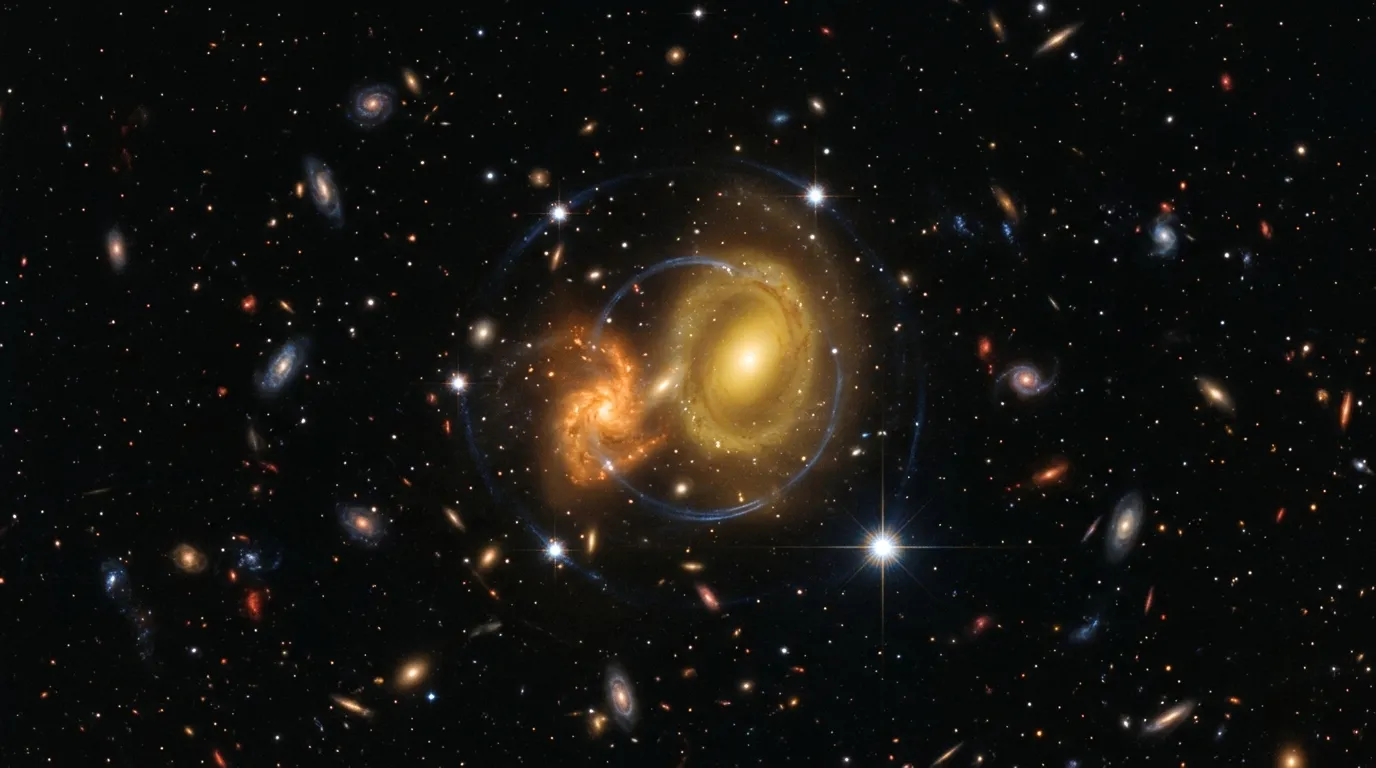
One Supernova, Five Times: SN Winny and the Hubble Tension
A six-year hunt for a one-in-a-million coincidence finally paid off. The same exploding star, repeated five times across the sky, may settle cosmology's loudest fight.
Casey Cooper·
A six-year hunt for a one-in-a-million coincidence finally paid off. The same exploding star, repeated five times across the sky, may settle cosmology's loudest fight.
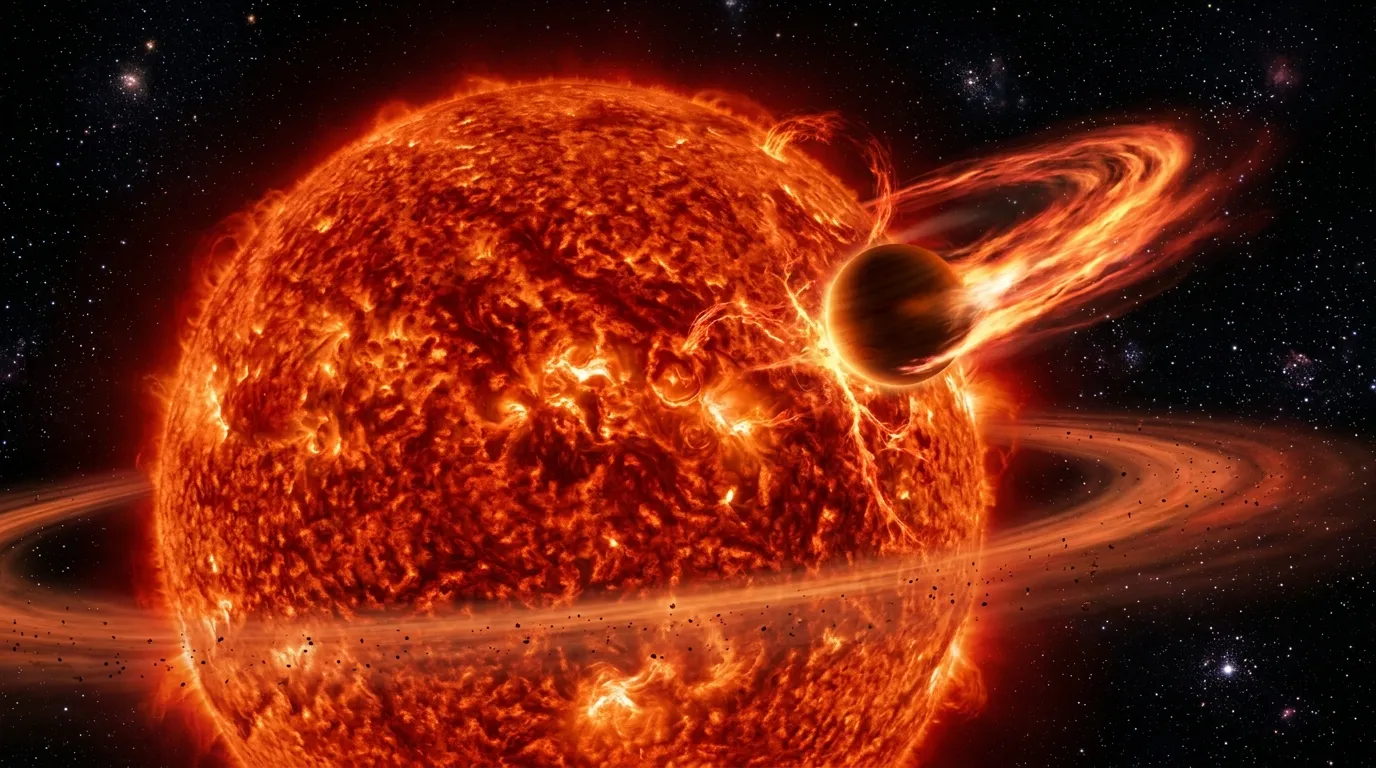
A massive TESS survey of nearly 500,000 aging stars reveals that close-orbiting giant planets vanish as their host stars expand into red giants.
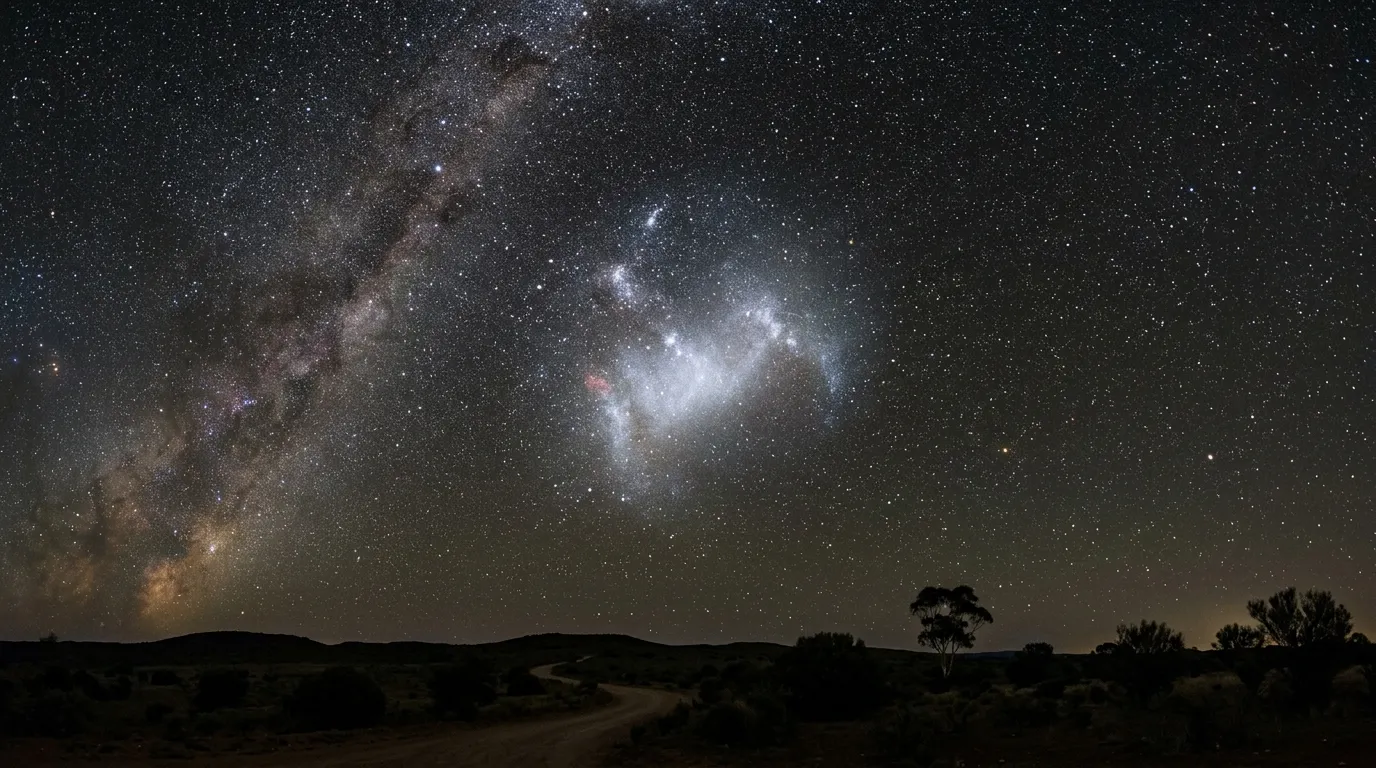
The Small Magellanic Cloud, one of the Milky Way's closest neighbors, turns out to be the wreckage of a galactic collision. Astronomers can see the transformation still happening.
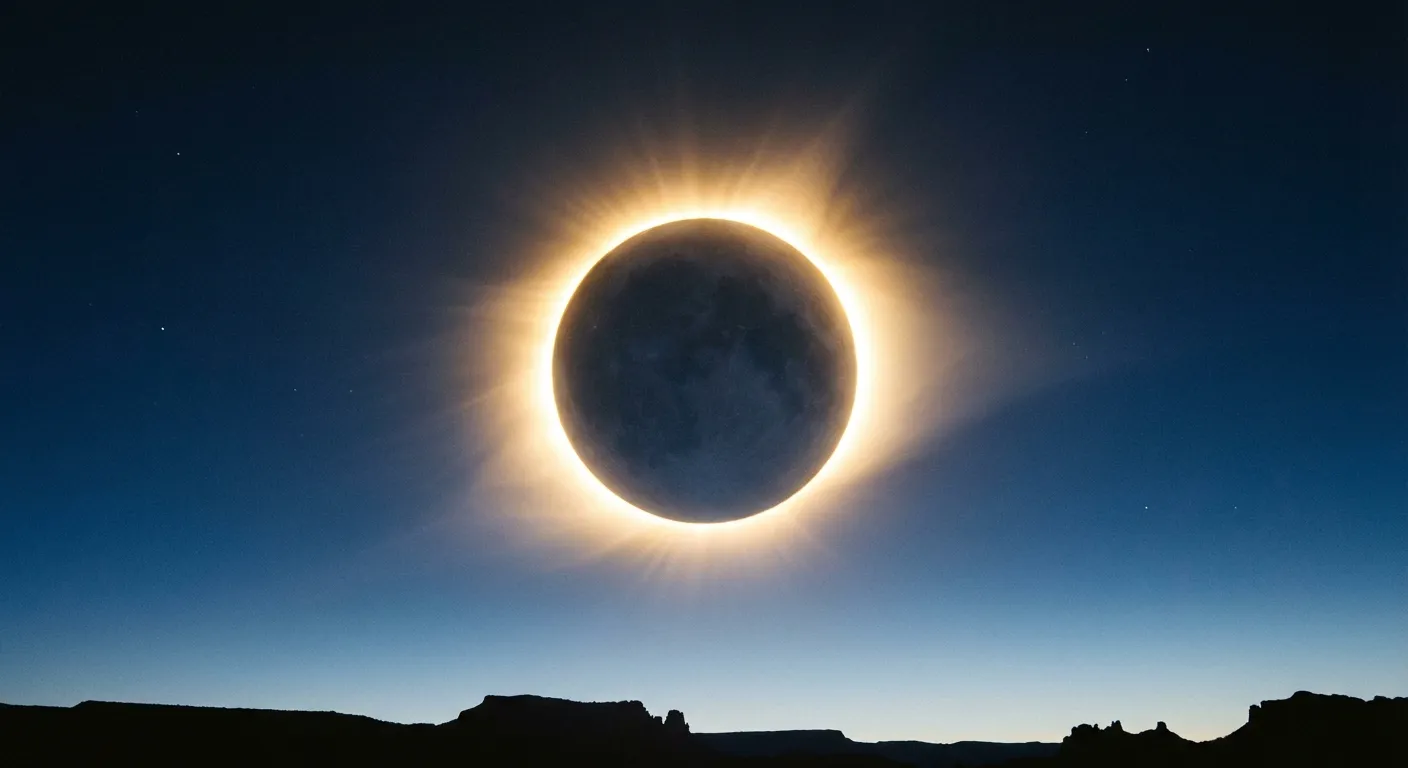
An annular solar eclipse arrives February 17. For thousands of years, eclipses stopped wars, toppled kings, and drove scientific revolutions. The ring of fire still has stories to tell.
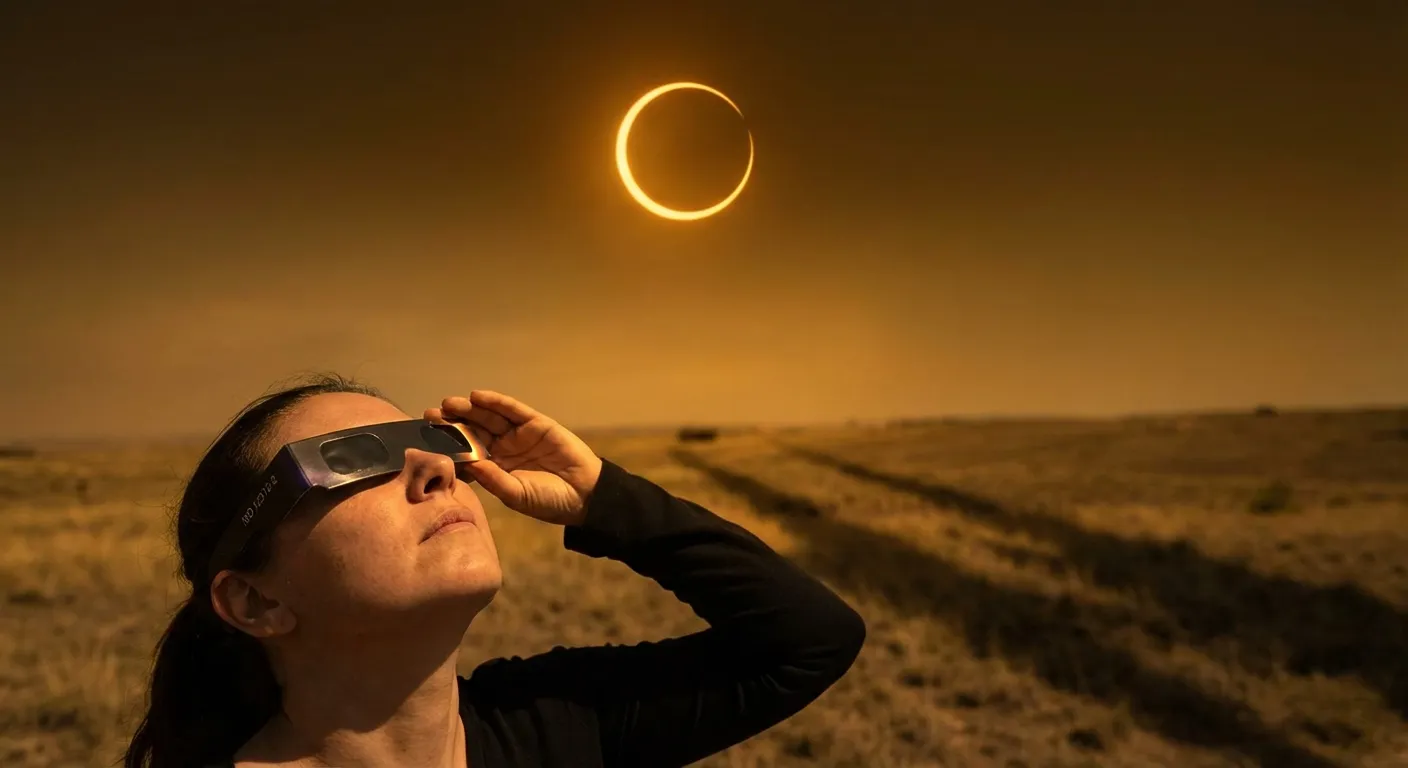
The February 17 annular solar eclipse crosses Africa and Antarctica. Here's how to view it safely wherever you are, including livestream options.
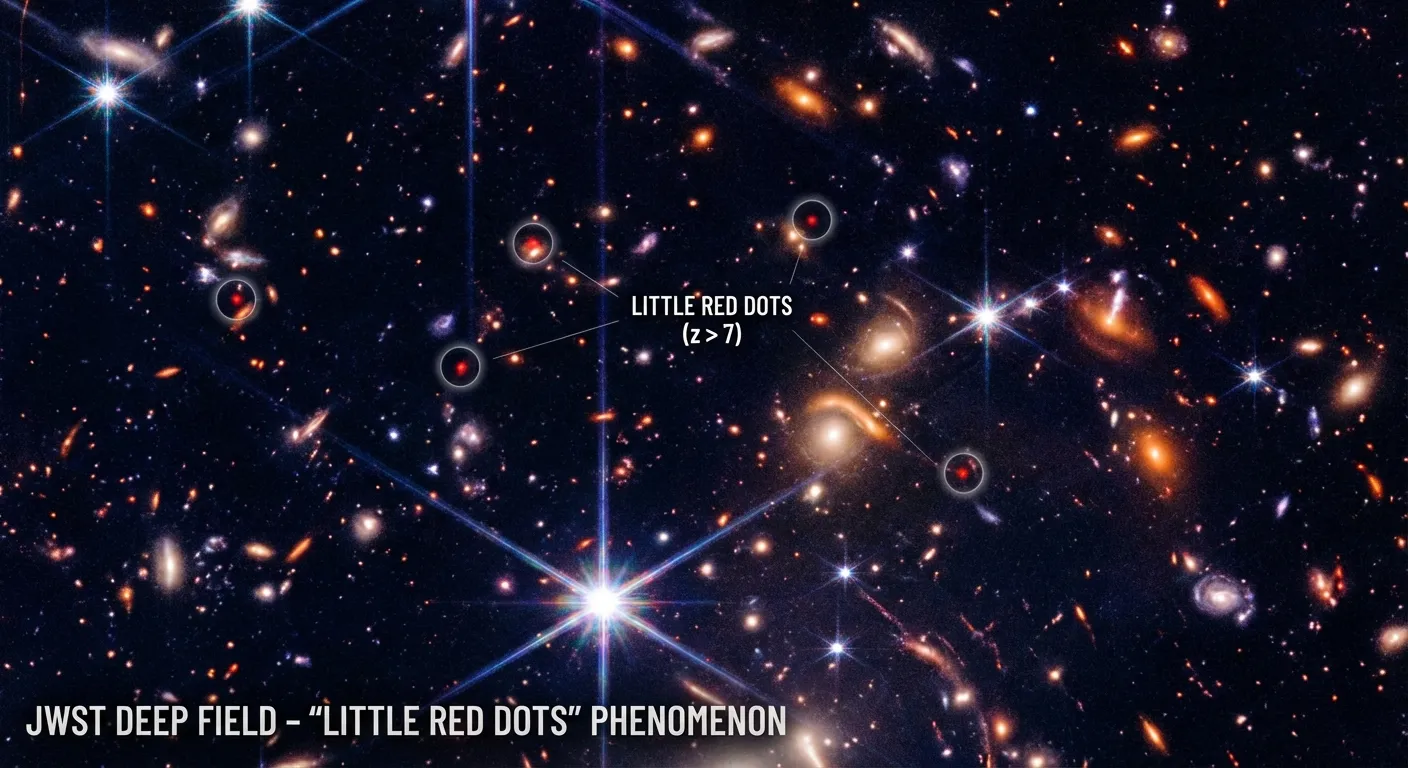
Strange red specks appeared in the telescope's first images, defying explanation for two years. They turn out to be something extraordinary: infant black holes hidden in cosmic cocoons.
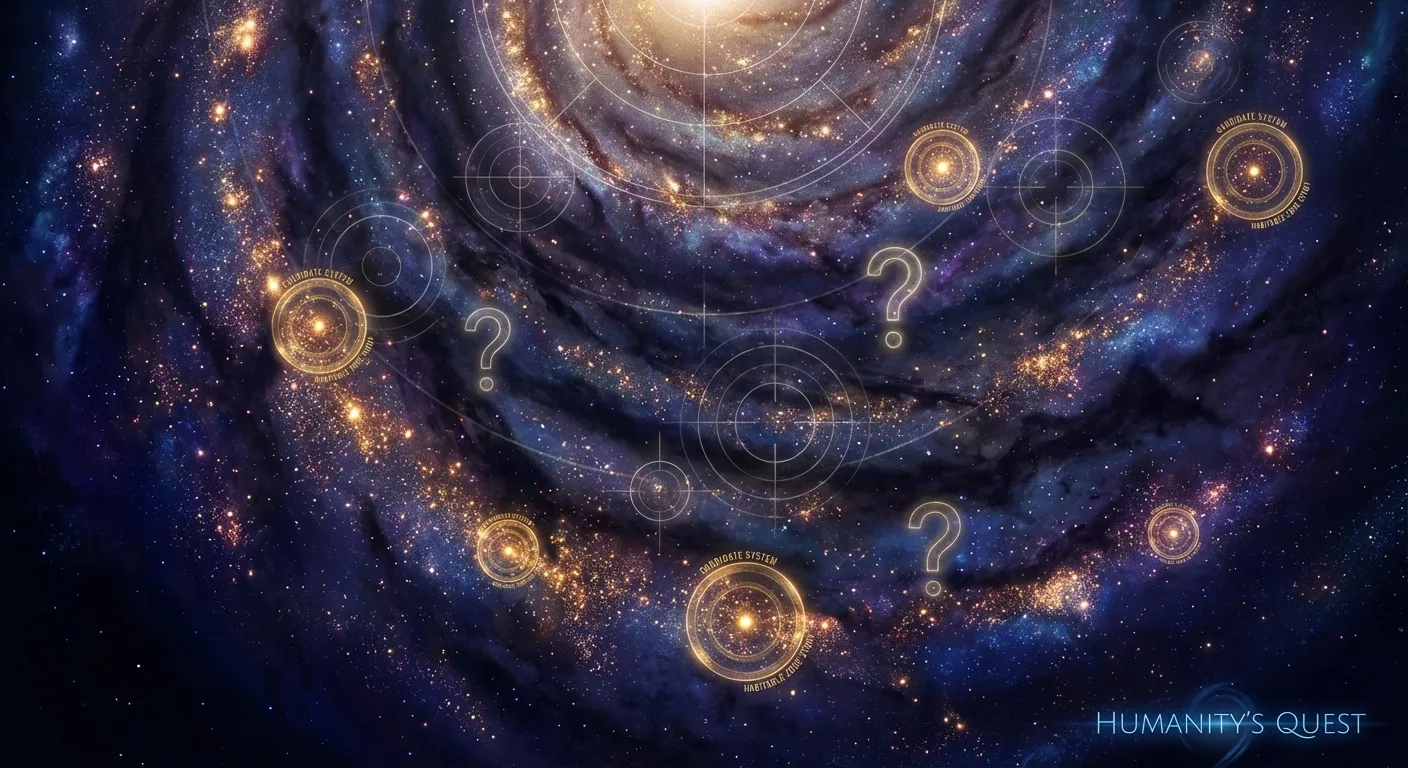
Enrico Fermi's lunchtime question has haunted scientists for decades. With thousands of exoplanets now discovered, we're finally getting closer to an answer, and it might not be the one we wanted.
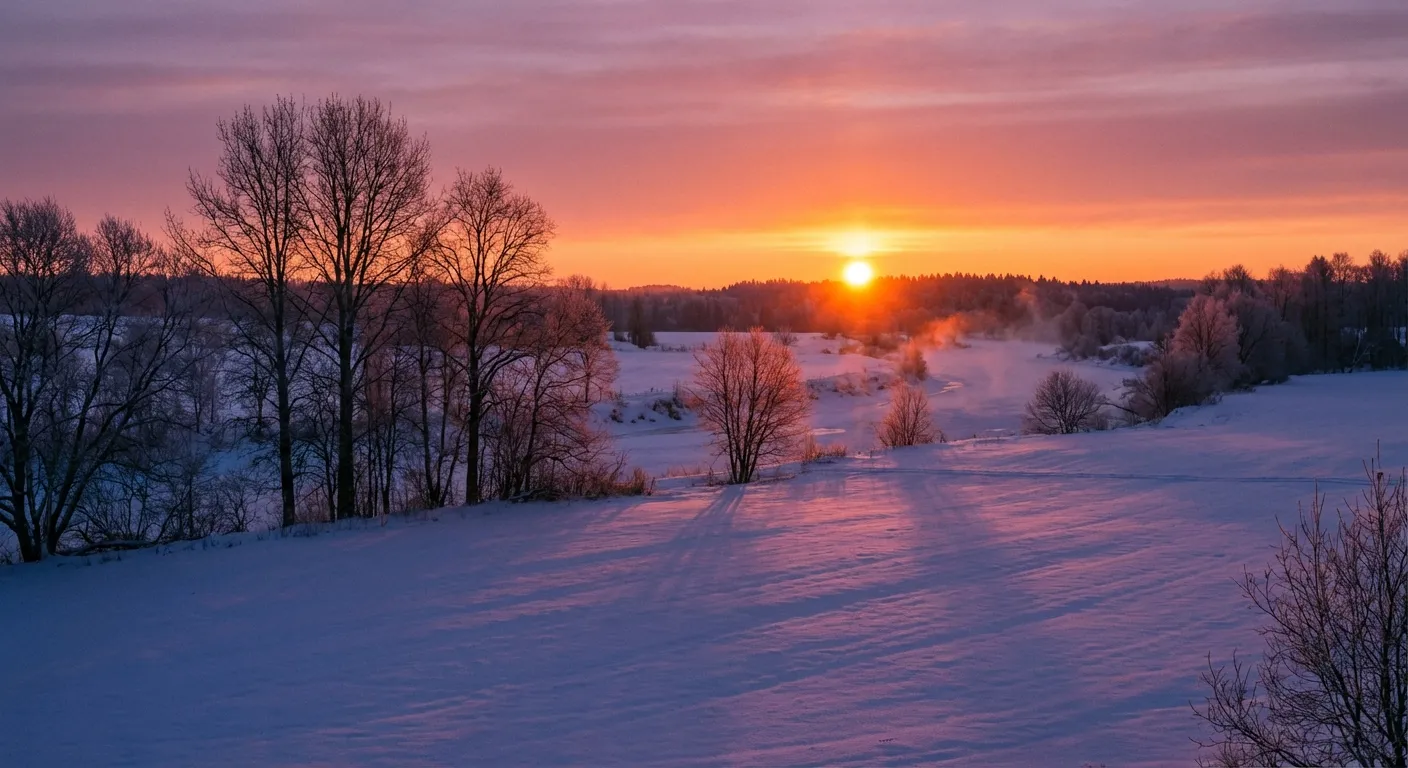
The winter solstice 2025 falls on Sunday, December 21, at 10:03 AM Eastern Time, marking the shortest day and longest night of the year in the Northern Hemisphere.