
You're on Autopilot More Than You Think
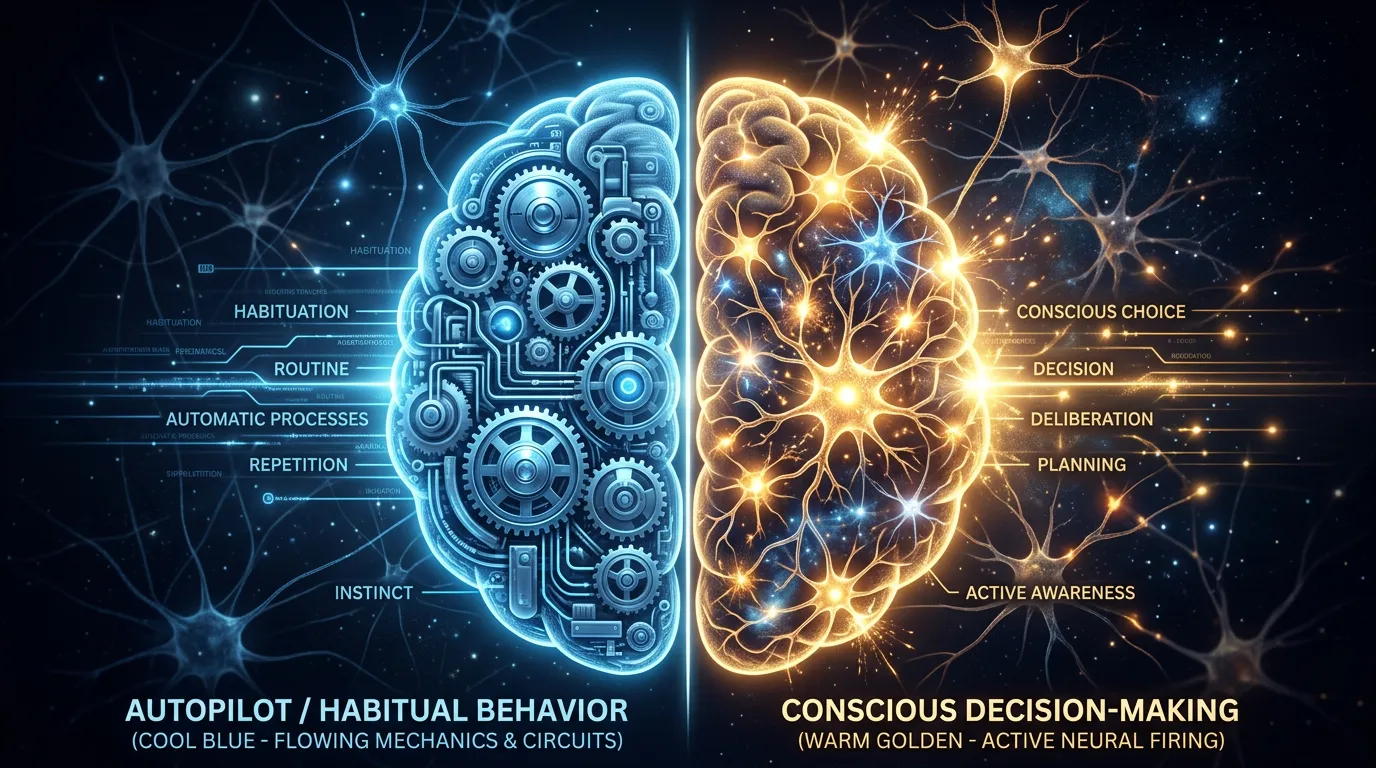
A new study found that 65% of daily behaviors are habitual and 88% are executed without conscious thought. The science of why your brain prefers shortcuts, and what that means for change.

A new study found that 65% of daily behaviors are habitual and 88% are executed without conscious thought. The science of why your brain prefers shortcuts, and what that means for change.

When you fall in love, 12 brain regions conspire to flood your system with dopamine, hijacking the same neural circuits as addiction. Here's what's really happening.

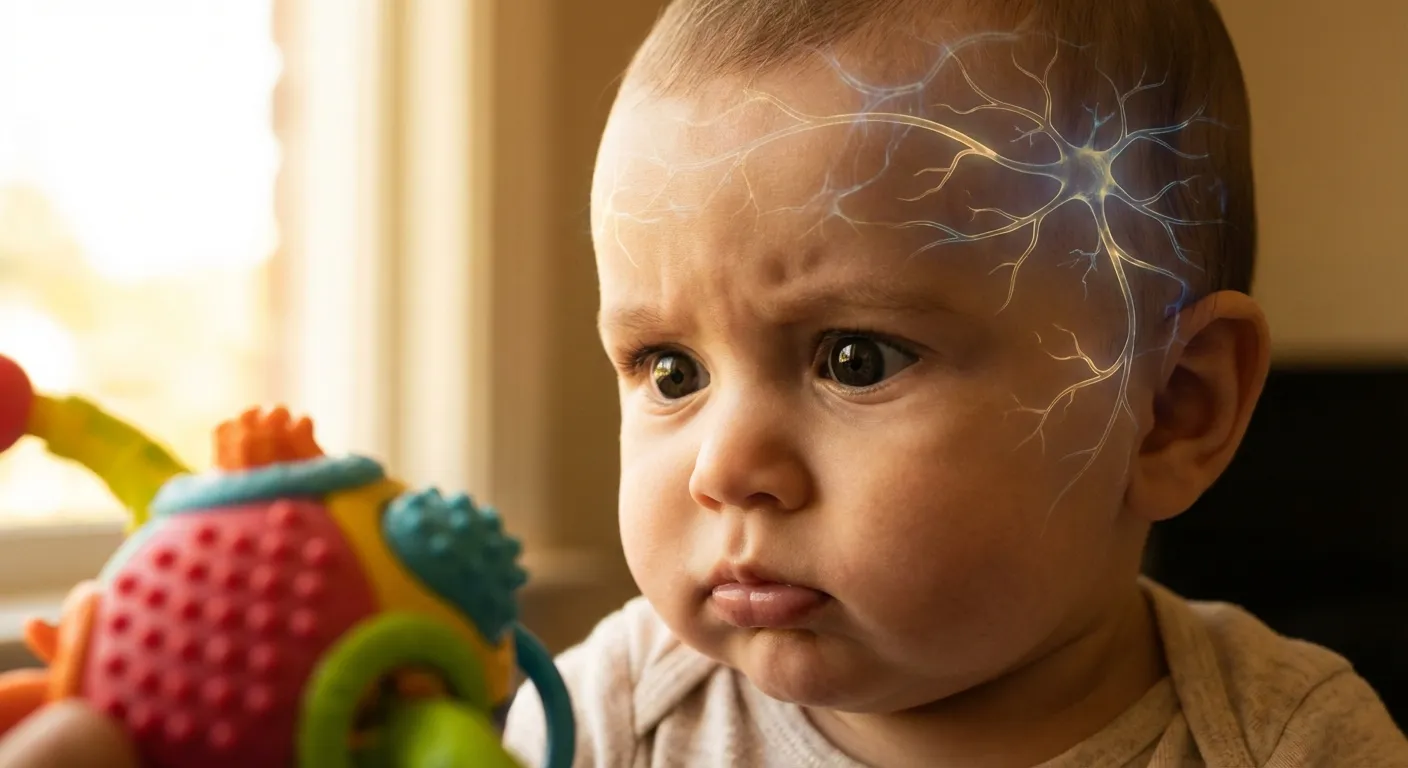
Longitudinal research reveals a surprising connection: babies who look longest at new things grow up to score higher on IQ tests years later.

New research reveals a troubling pattern: AI tools improve our performance while simultaneously making us believe we're even better than we actually are.

We stay in bad movies, failing projects, and dead-end relationships because of money already spent. The psychology behind this irrational behavior reveals something deeper.

Hindsight bias convinces us we predicted events we never saw coming. Understanding this cognitive illusion reveals how memory rewrites itself to maintain our sense of competence.

The brain does not passively record the world. It actively constructs reality from expectations and guesses, and understanding this changes everything.

Mihaly Csikszentmihalyi spent decades studying why some moments feel effortlessly engaging while others drag. His answer changed how we understand happiness.