
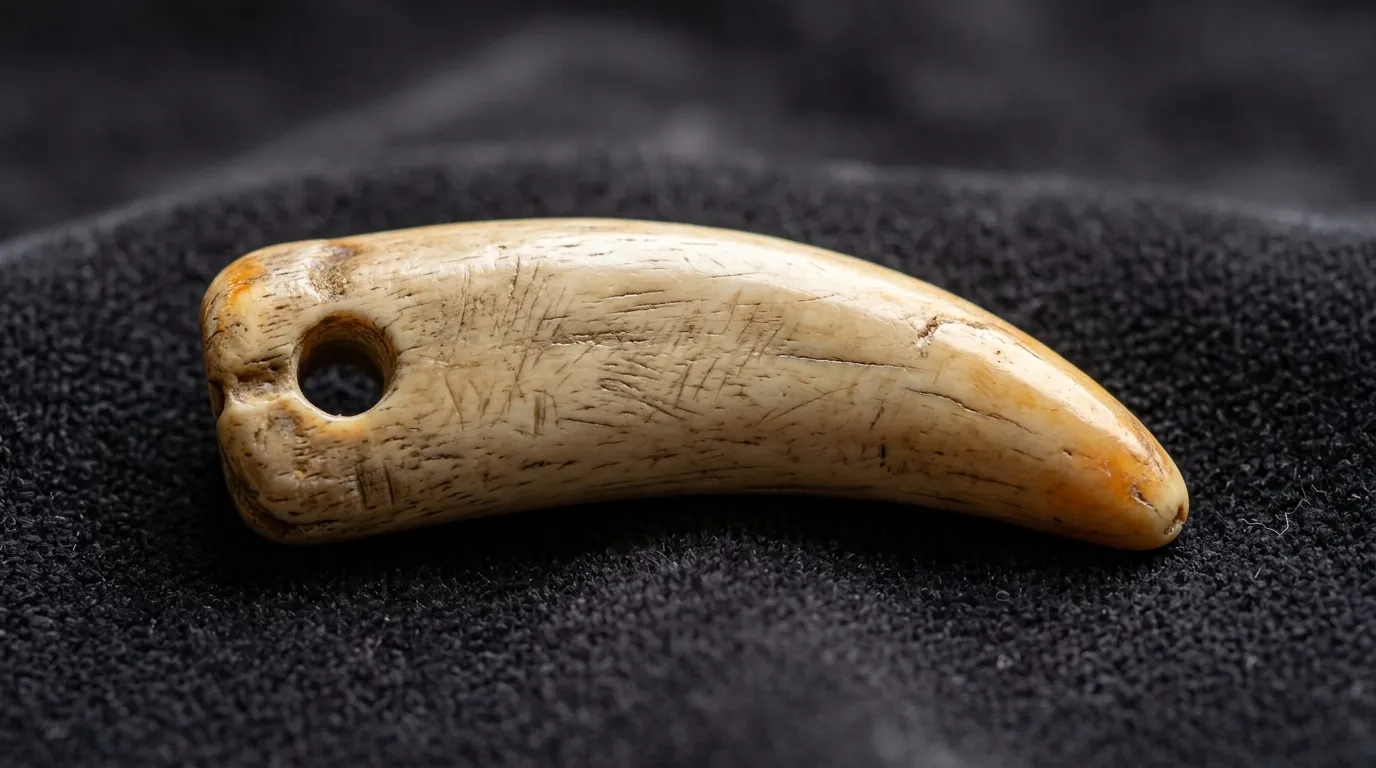
A Seal Tooth in a Cave Rewrites Ice Age Britain
A 15,000-year-old pendant misidentified for 160 years turns out to be from a grey seal, carried 100 kilometers inland. It changes what we know about Magdalenian Britain.
Casey Cooper·
Latest history articles and coverage
A 15,000-year-old pendant misidentified for 160 years turns out to be from a grey seal, carried 100 kilometers inland. It changes what we know about Magdalenian Britain.
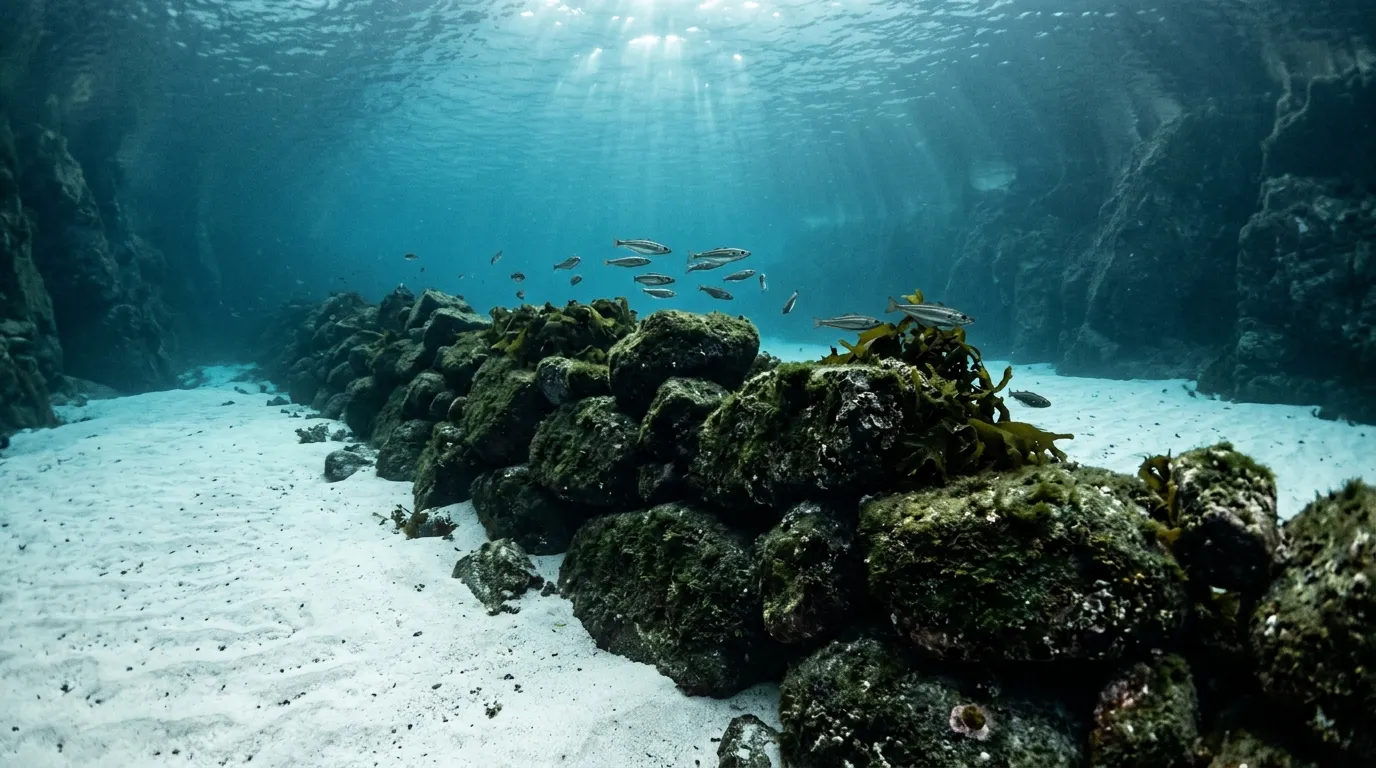
Marine archaeologists found a massive belt of stones beneath a narrow Norwegian strait. It matches descriptions in the oldest Norwegian law code, and it rewrites what we knew about medieval whaling.
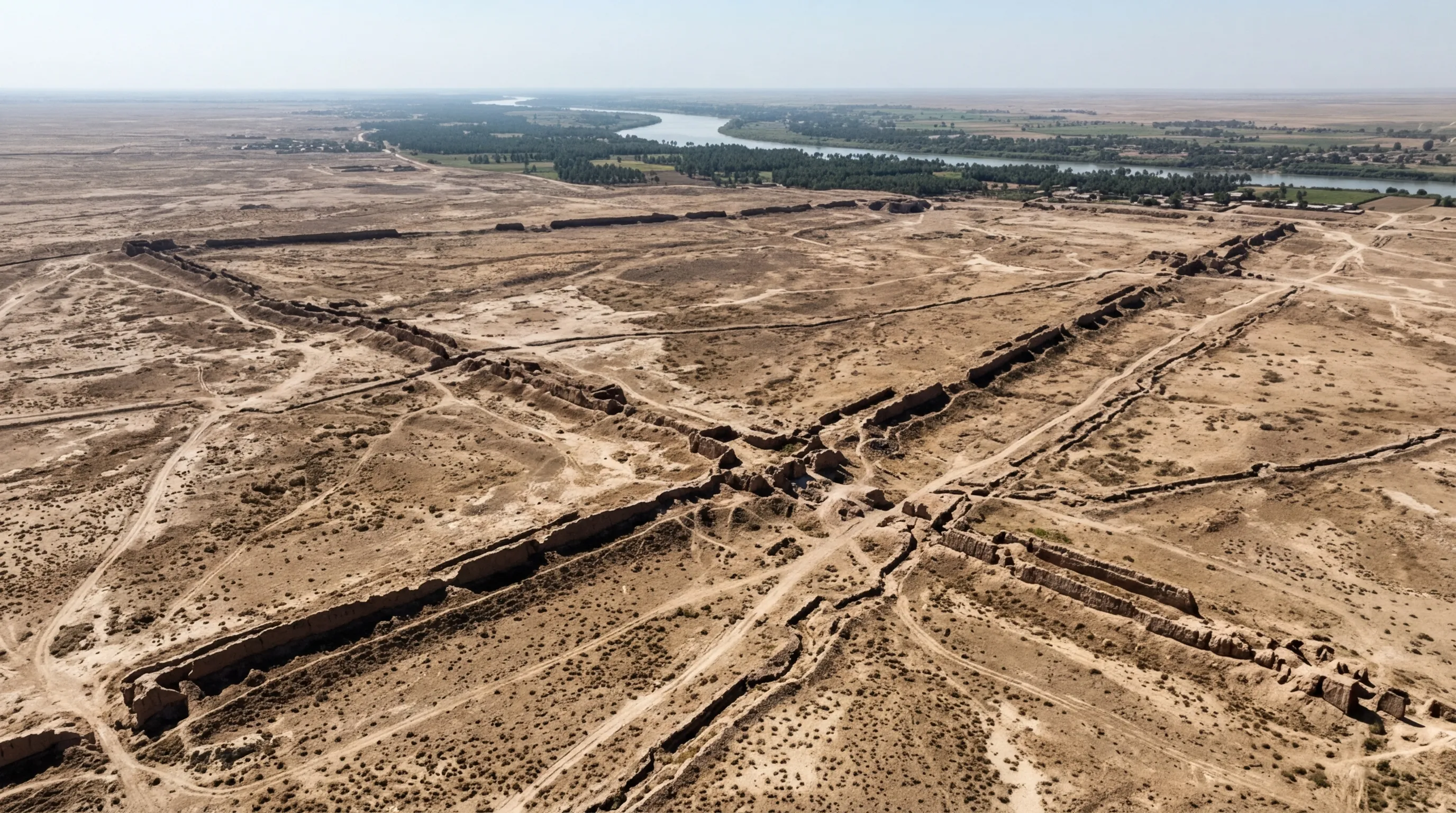
Archaeologists have confirmed the location of Alexandria on the Tigris, a massive trade port that once rivaled its Egyptian namesake. Then war shut the dig down again.
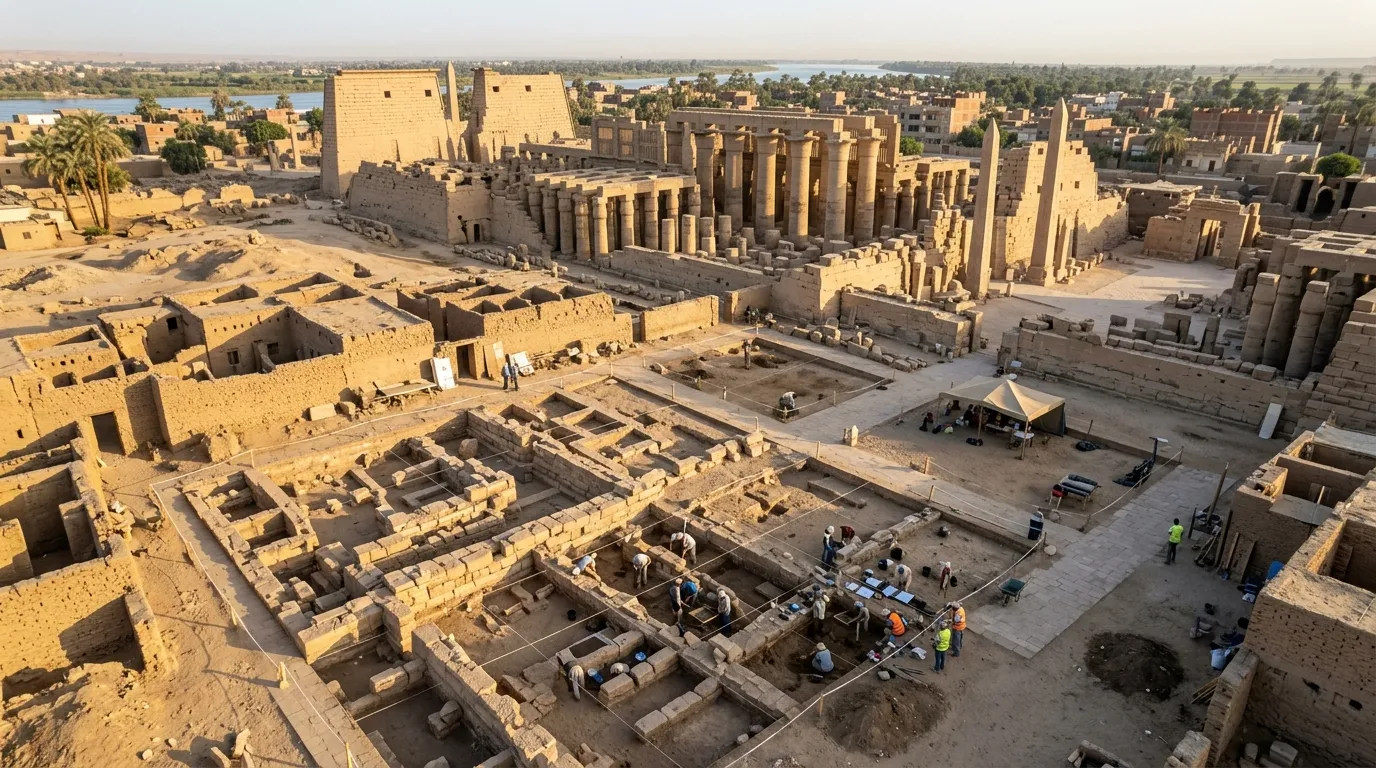
After eight years of digging, an Egyptian-Chinese team uncovered a hidden sacred lake at Karnak, forming the first twin-lake layout ever found in Egyptian archaeology.
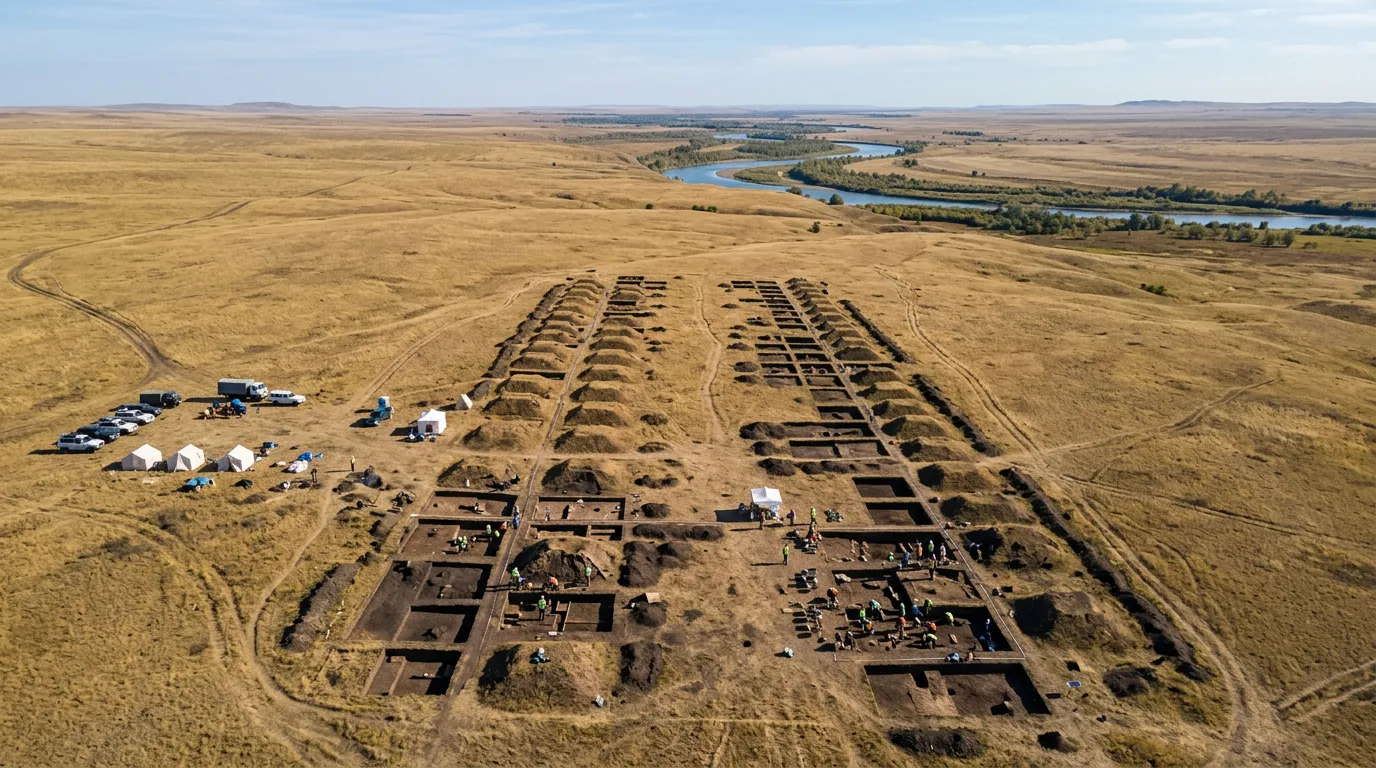
Archaeologists have uncovered Semiyarka, a 140-hectare Bronze Age settlement in Kazakhstan that challenges everything we thought we knew about ancient steppe societies.
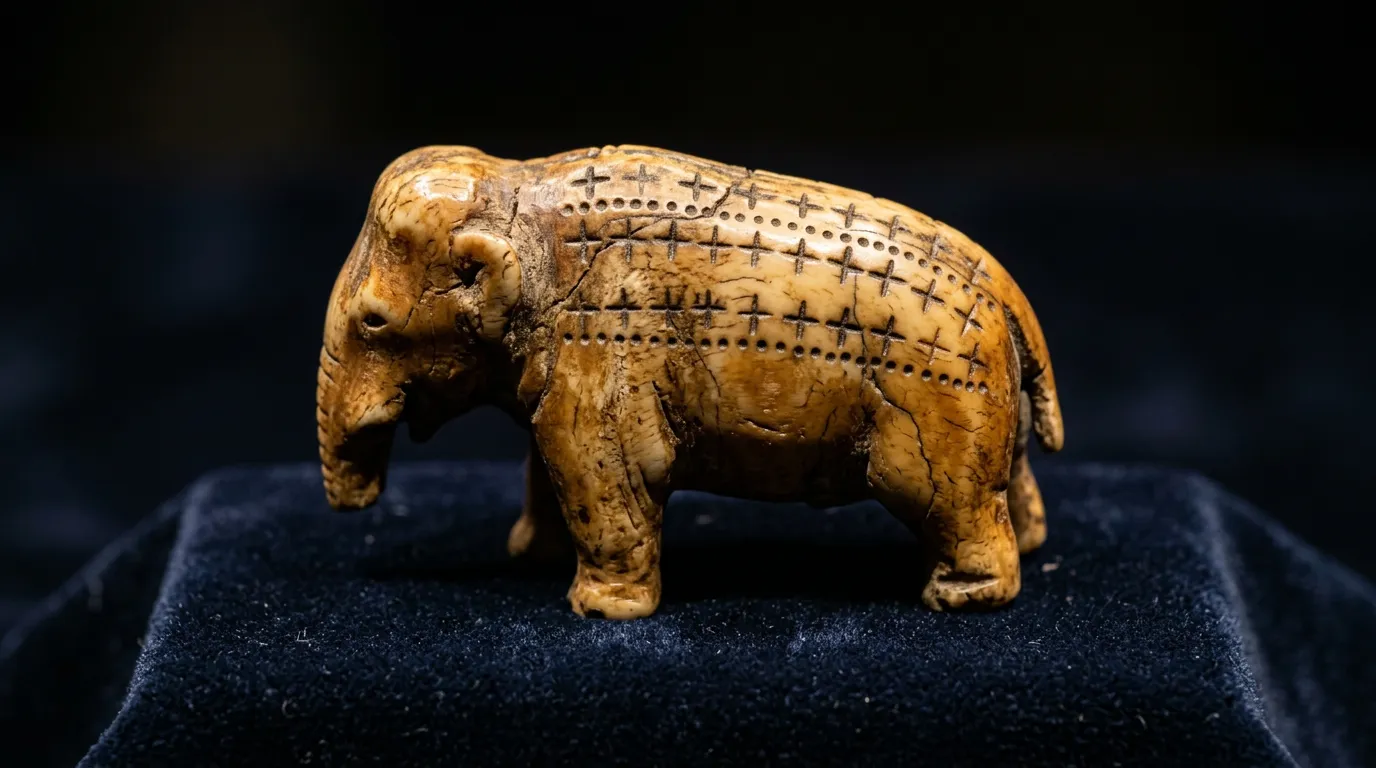
A computational analysis of 3,000 carved marks on Aurignacian artifacts reveals a 22-symbol inventory with rule-governed placement, pushing structured symbolic communication back 10,000 years.
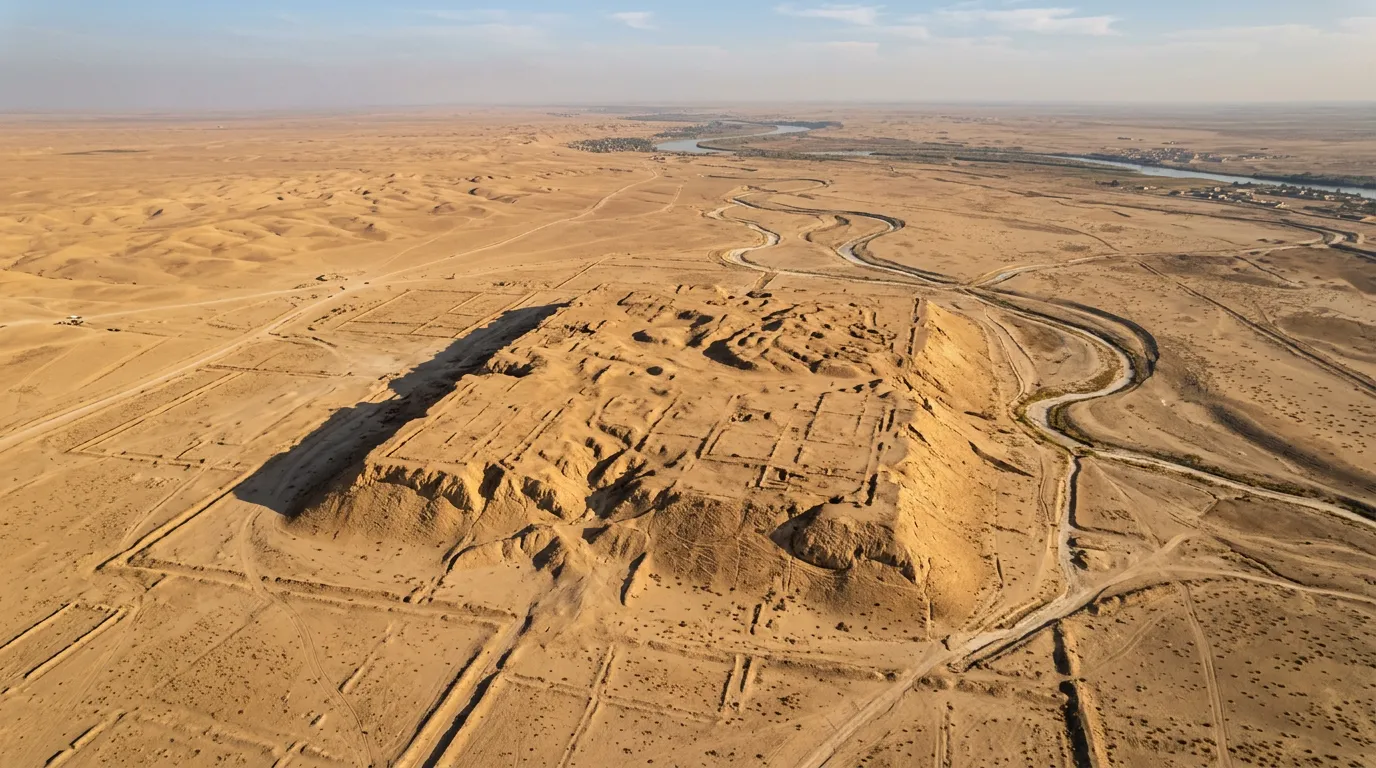
Archaeologists have identified the remains of Charax Spasinou, a massive port city founded during Alexander's campaigns that controlled nearly all maritime trade entering Mesopotamia for 600 years.
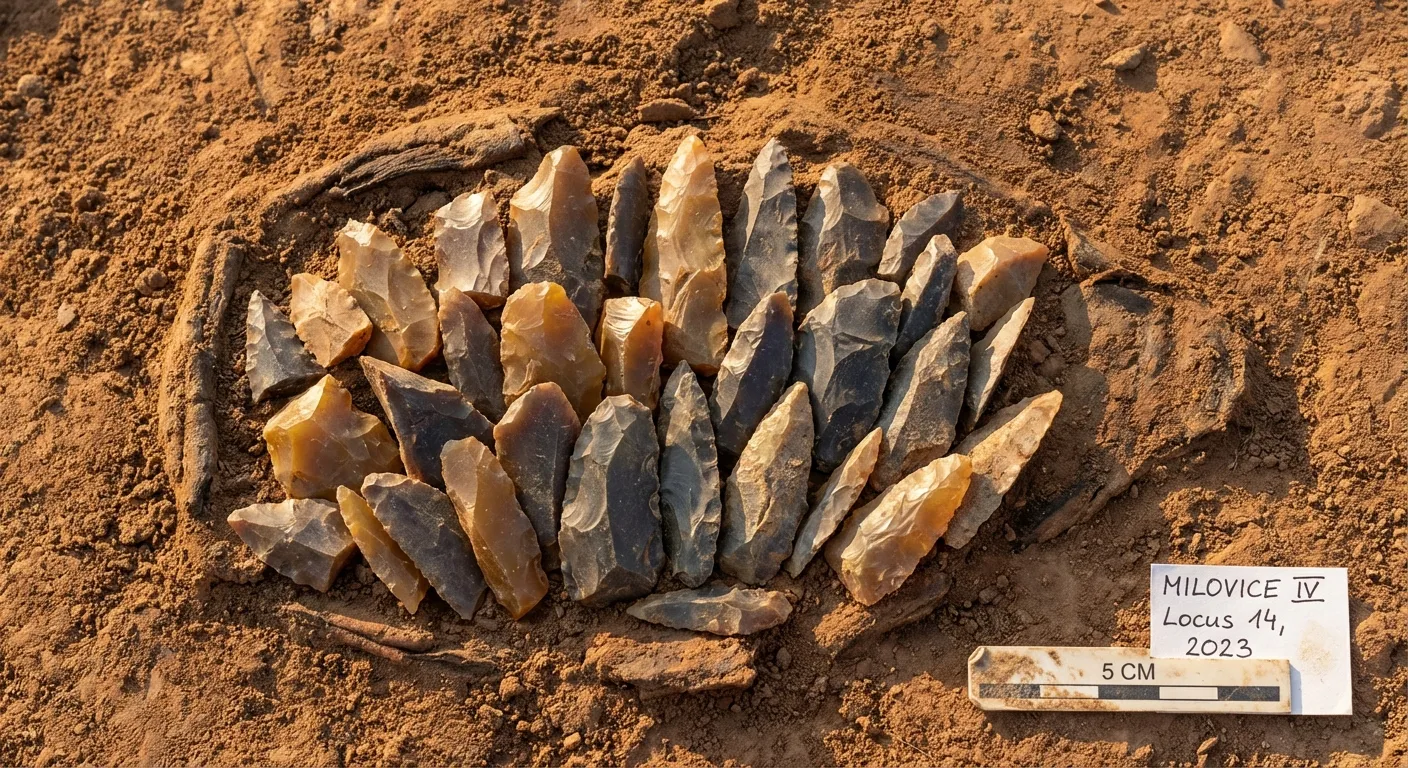
A tightly packed cluster of blades found in the Czech Republic preserves the complete personal gear of a single Gravettian hunter, offering one of archaeology's rarest glimpses into individual Stone Age life.
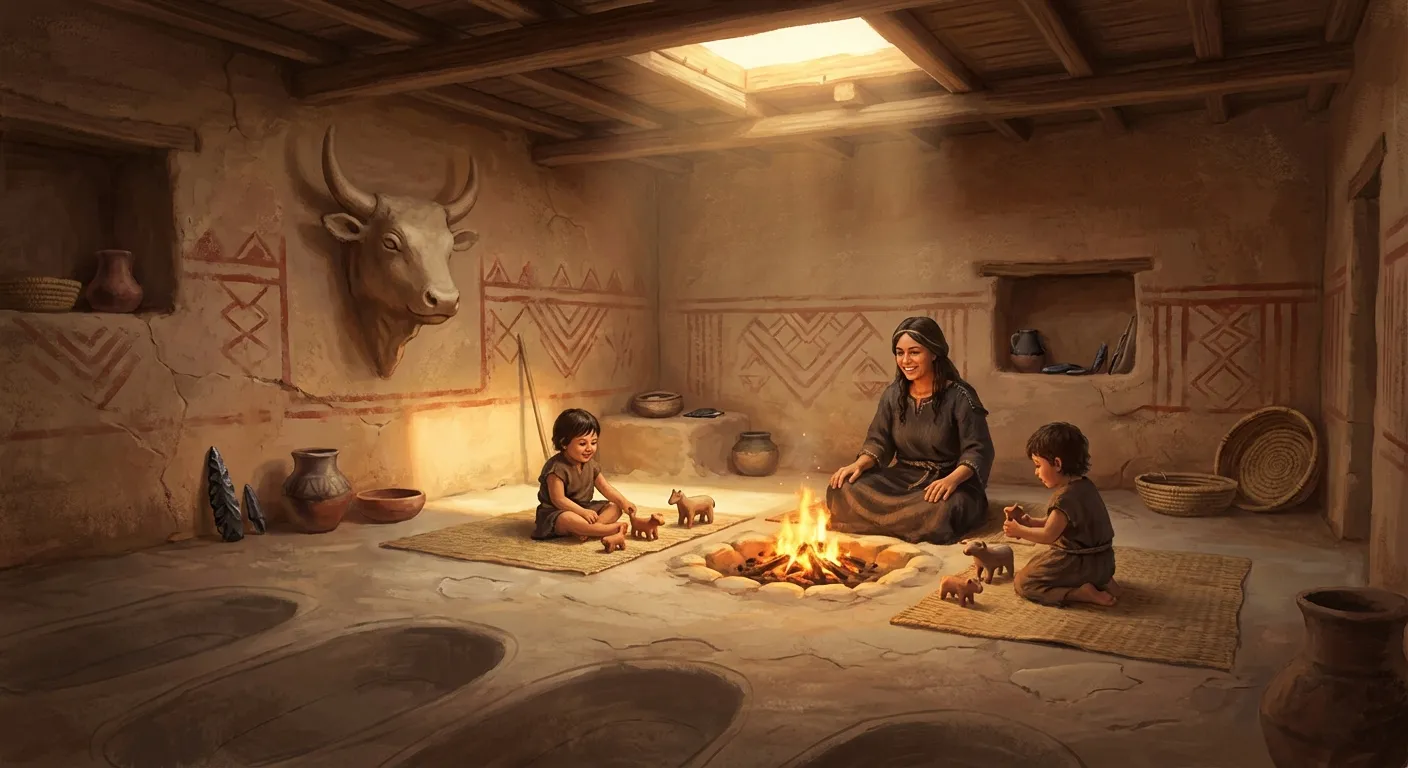
Genetic analysis of 131 skeletons from a 9,000-year-old Turkish settlement proves that the earliest farming communities organized around mothers, not fathers.
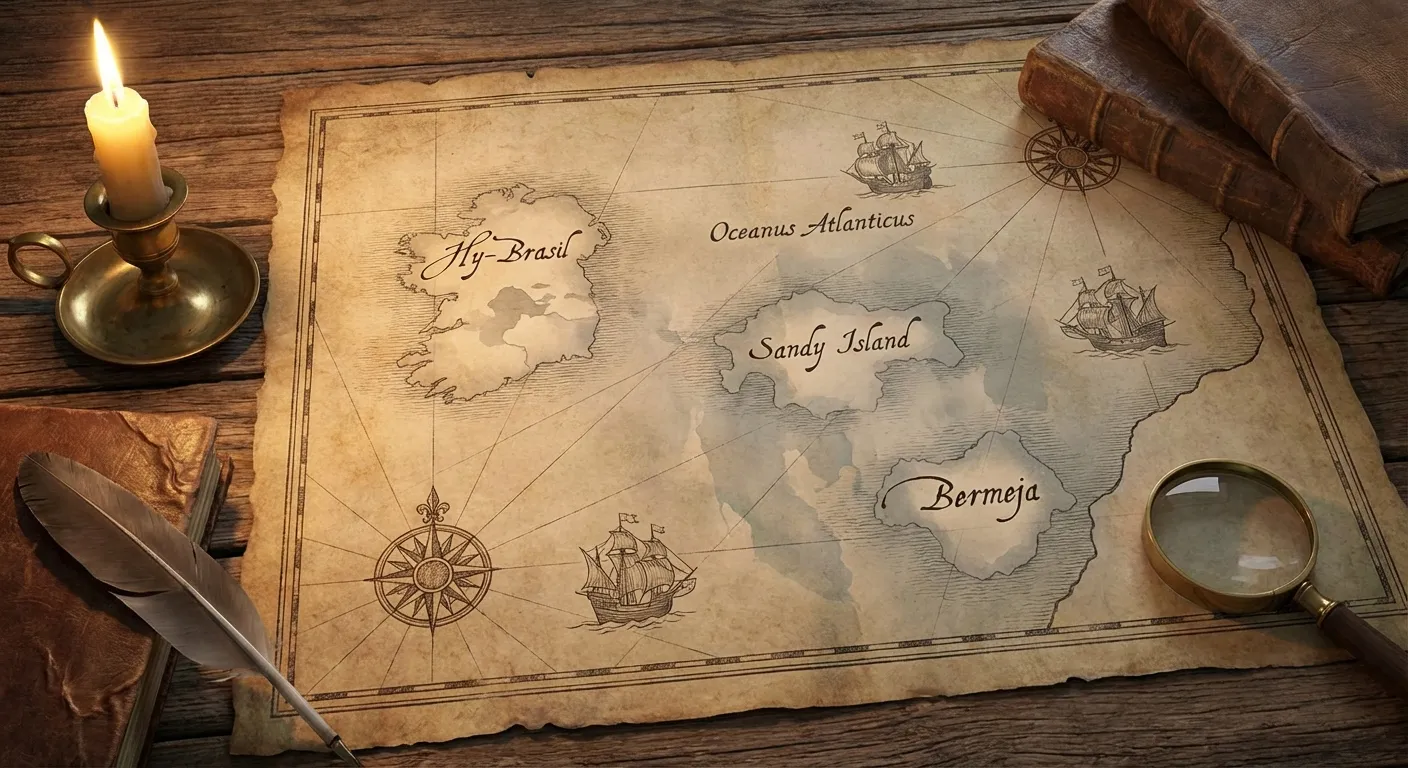
For centuries, islands that were never real appeared on authoritative maps, shaping exploration, geopolitics, and even murder. Their legacy reveals how knowledge systems propagate error.
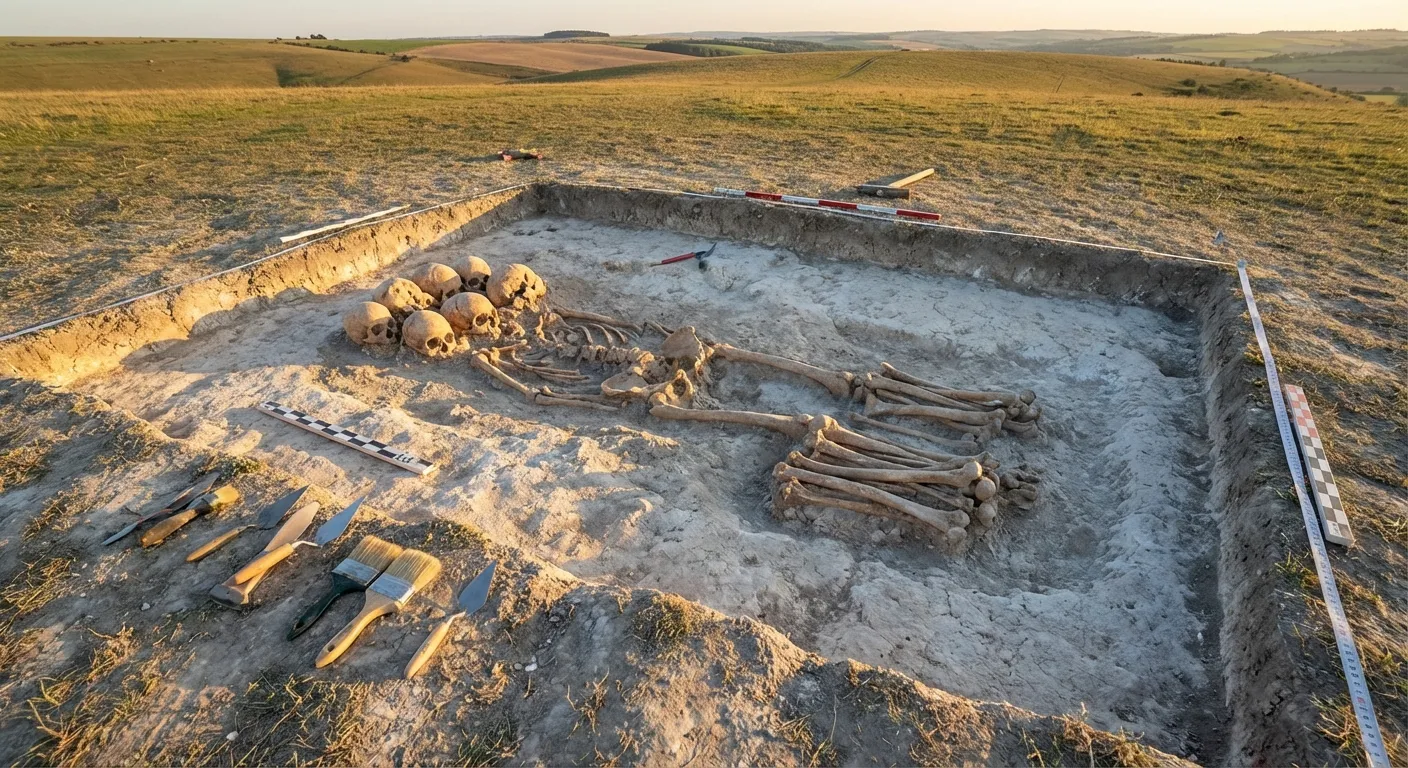
Ten bodies in a shallow grave. Severed heads. A giant with a hole drilled in his skull. A training dig for archaeology students uncovered a Viking Age mystery that raises more questions than it answers.
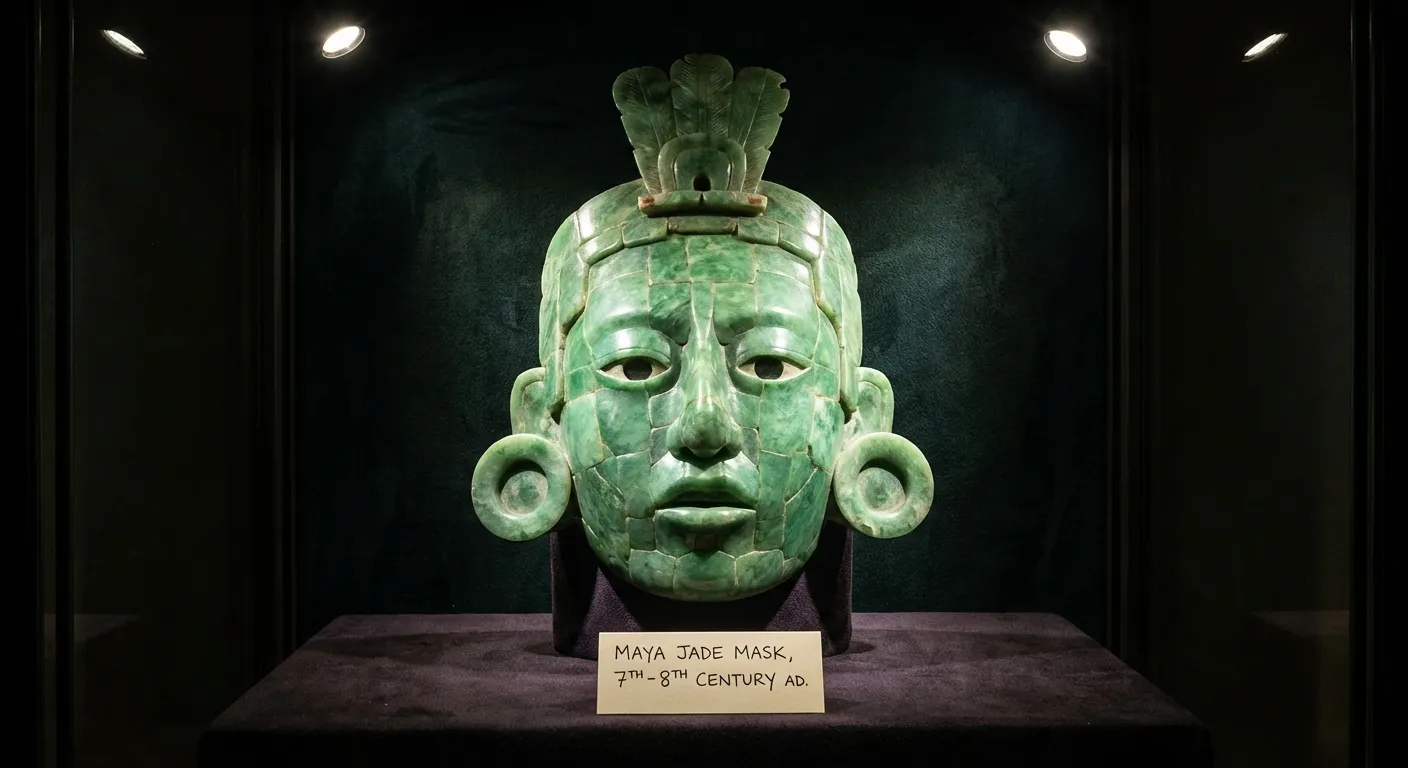
Archaeologists have found the tomb of Te K'ab Chaak, the 'Tree Branch Rain God' who founded one of the Maya's greatest cities. His jade death mask tells a story 17 centuries old.