
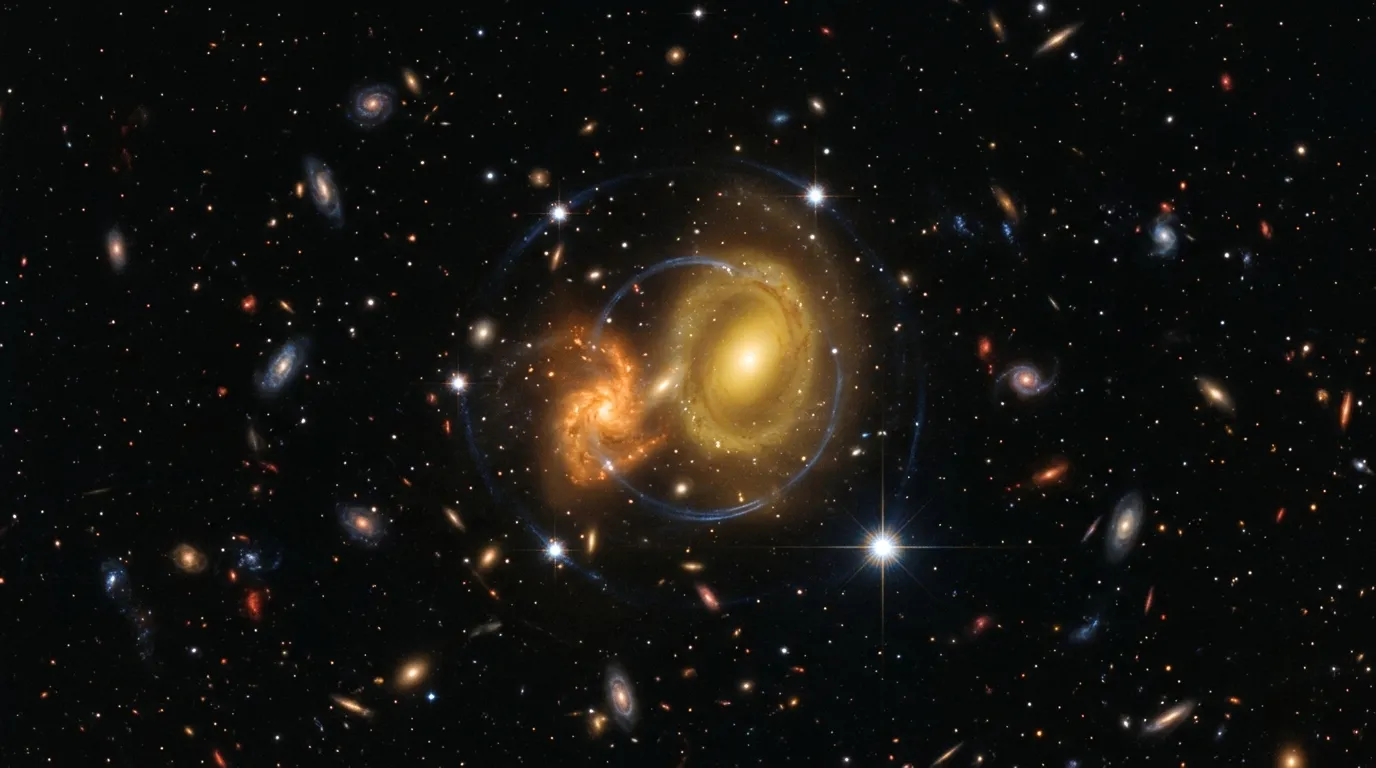
One Supernova, Five Times: SN Winny and the Hubble Tension
A six-year hunt for a one-in-a-million coincidence finally paid off. The same exploding star, repeated five times across the sky, may settle cosmology's loudest fight.
Casey Cooper·
Latest science articles and coverage
A six-year hunt for a one-in-a-million coincidence finally paid off. The same exploding star, repeated five times across the sky, may settle cosmology's loudest fight.
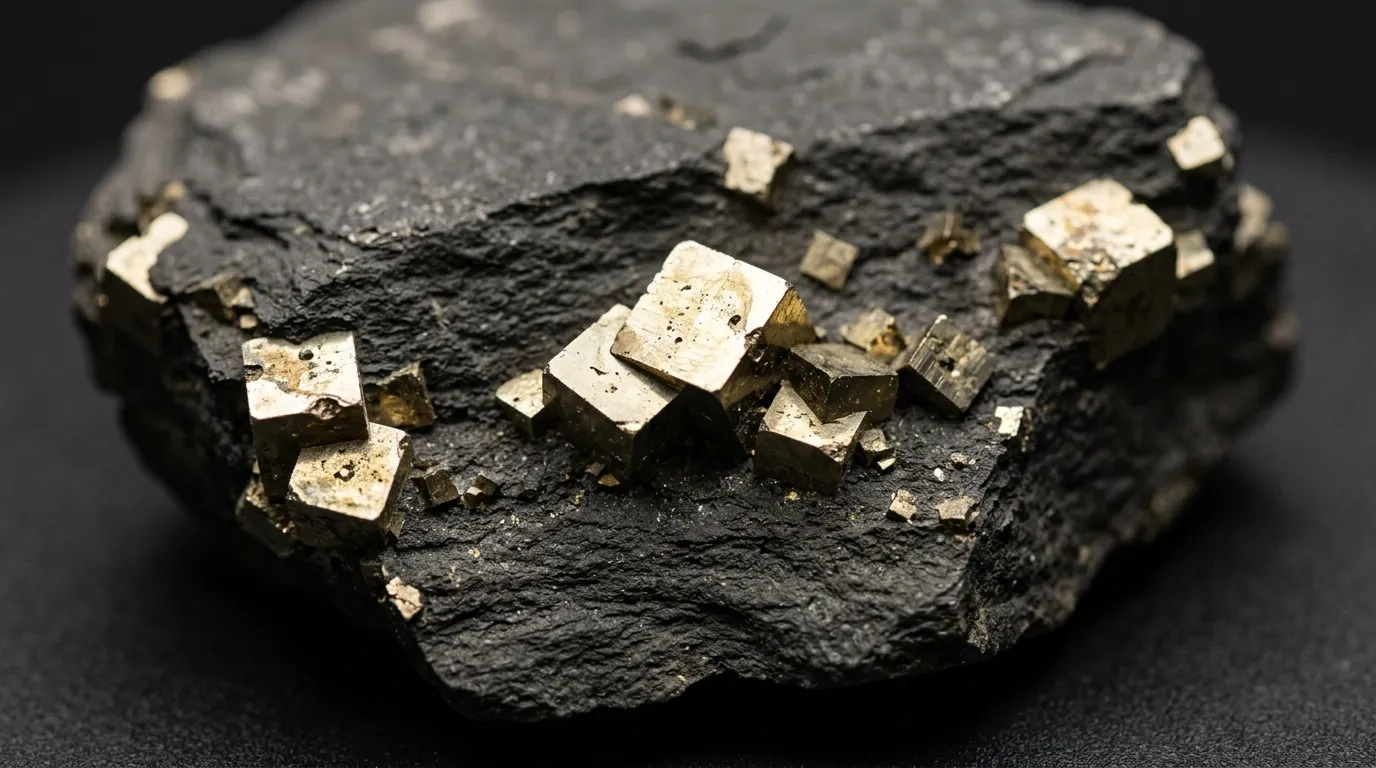
A West Virginia lab has found measurable lithium locked inside pyrite from Appalachian black shale, an unexpected source for the metal that runs the battery economy.

A Drexel team pulled a simple viscous liquid until it broke with an audible crack. The result rewrites a textbook boundary between fluids and solids.

Harvard researchers found that robot swarms get stuck the way traffic does, and that adding noise unjams them. The math explains ant colonies and your commute.
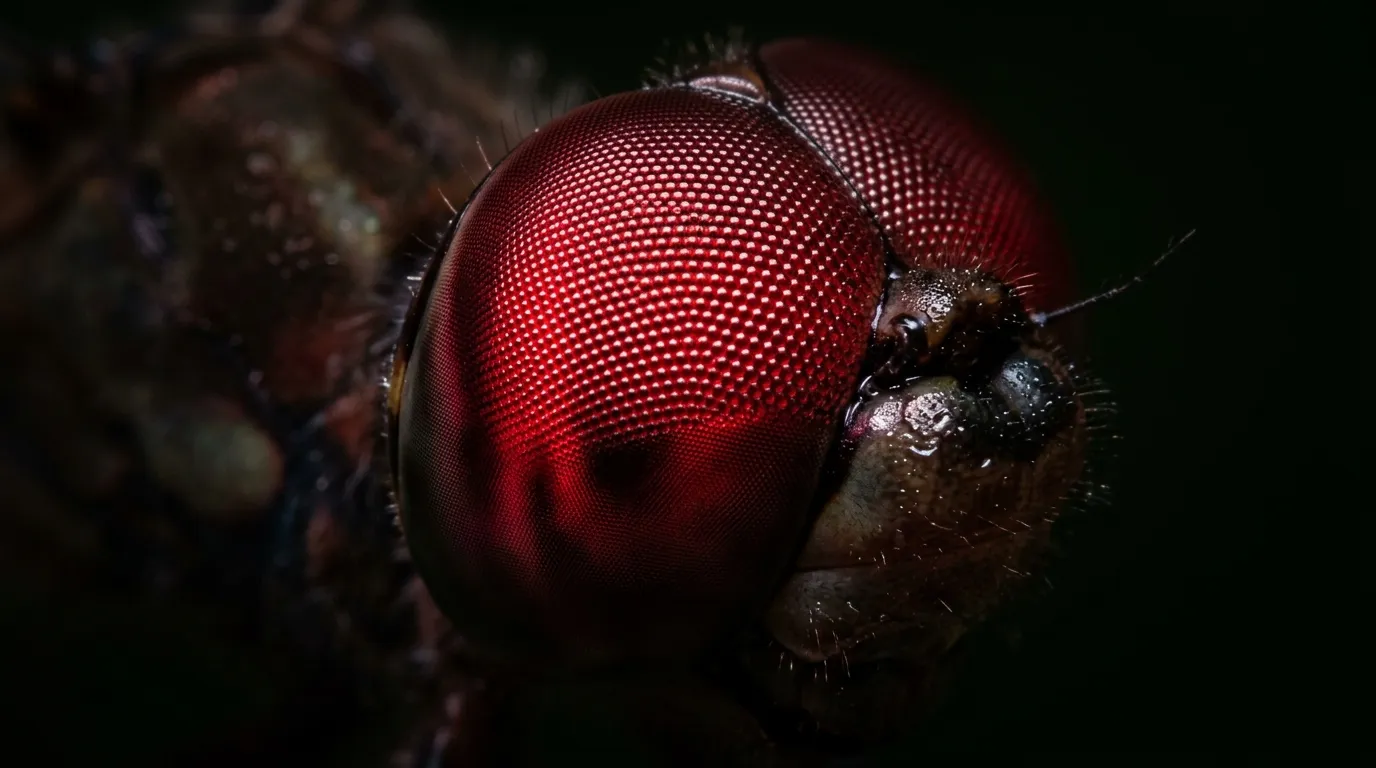
An Osaka team found dragonflies sensing light at 720 nanometers using the exact molecular trick mammals use for red vision, separated by 500 million years of evolution.

A reanalysis of 41,000-year-old bones from Belgium's Goyet cave reveals that Neanderthals selectively butchered women and children from a rival group, the strongest evidence yet for inter-group warfare in our closest relatives.
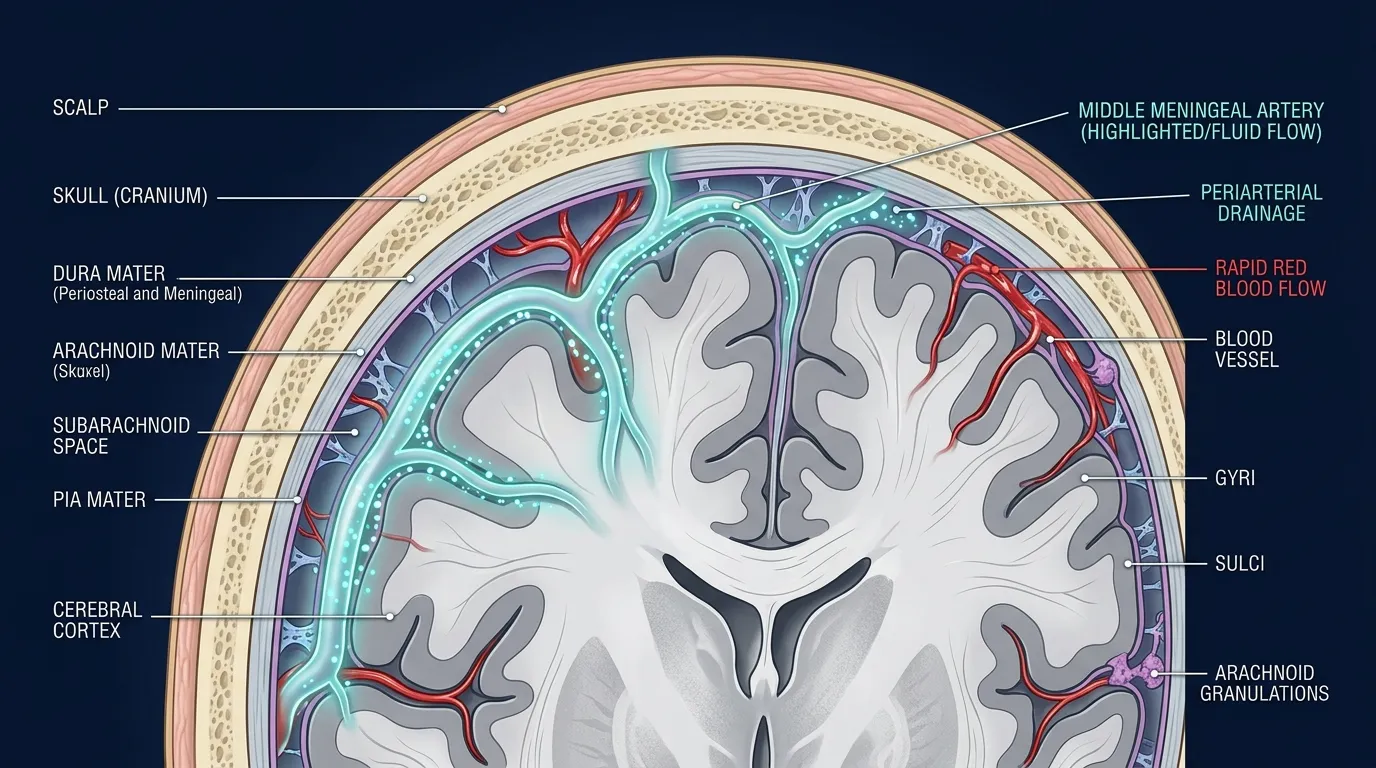
Scientists just watched fluid crawl along an artery the brain should not have plumbed. The finding extends a discovery chain that began in 2012.
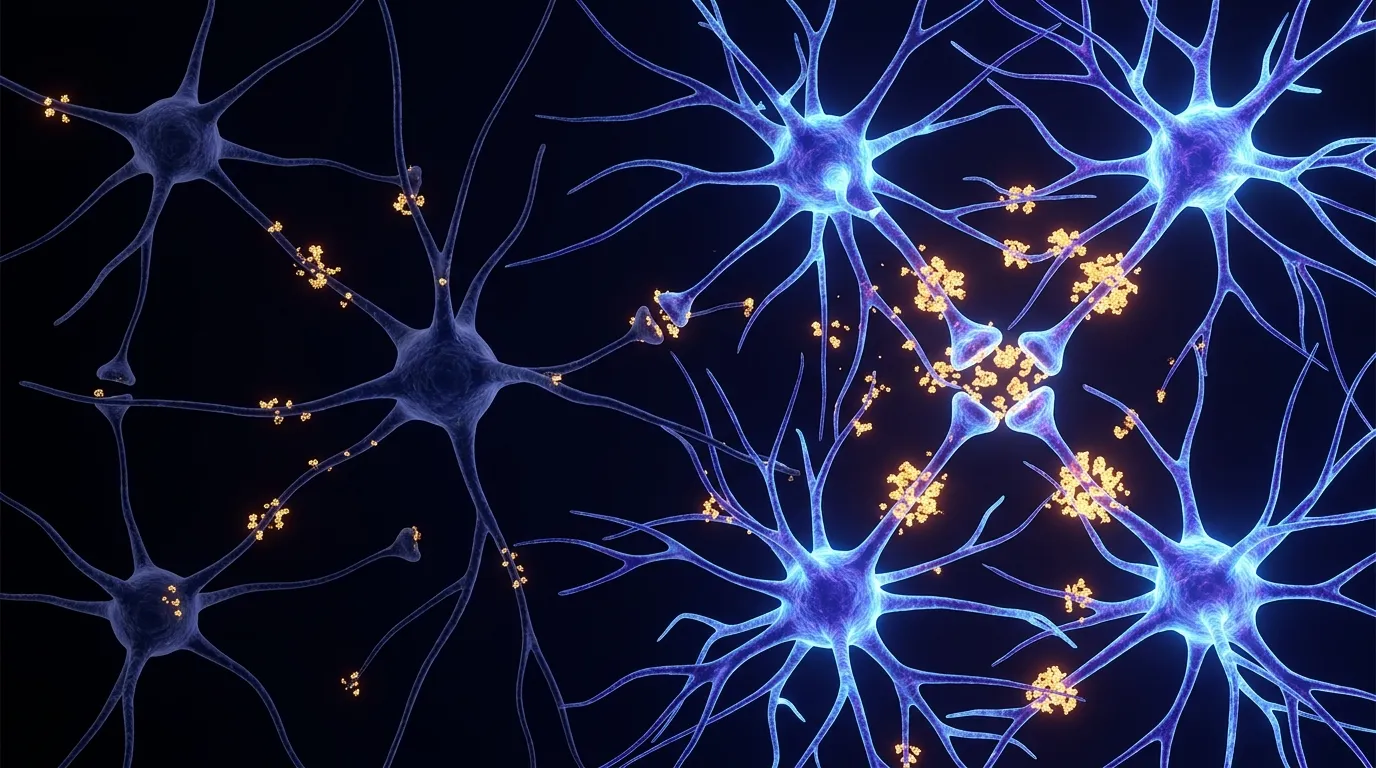
A UCSF team identified FTL1, the single protein most tied to cognitive decline in aging mice, then reversed memory loss by dialing it down.
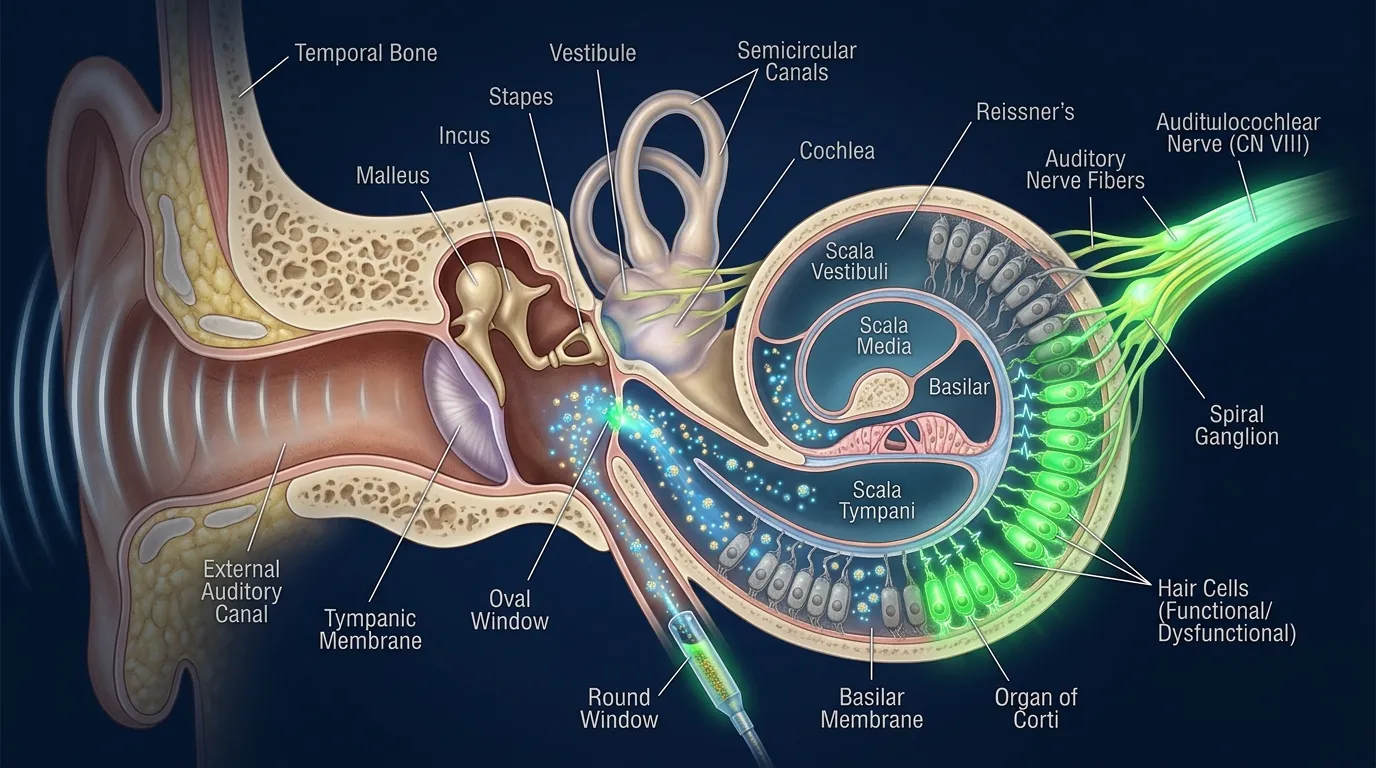
A single shot into the inner ear restored hearing in all 10 patients born deaf. One seven-year-old was having conversations within four months.
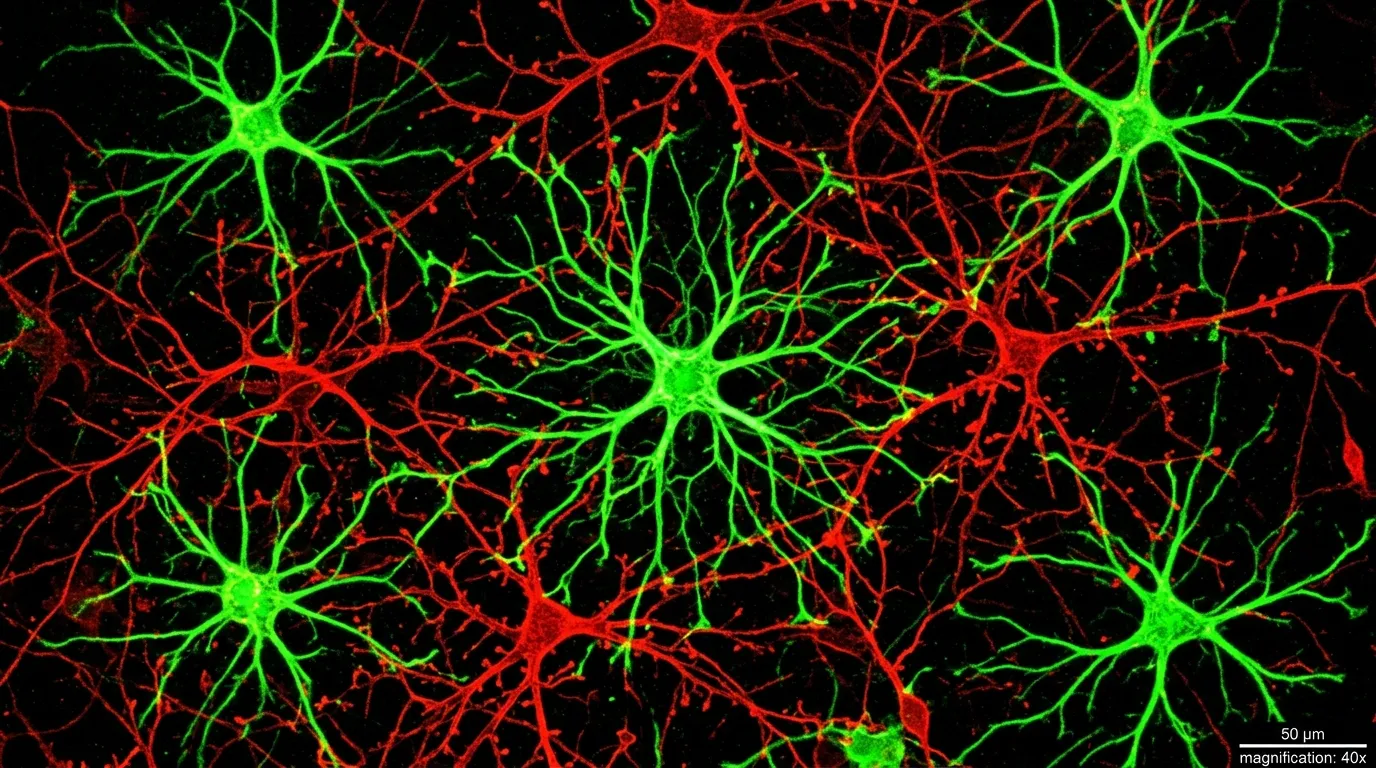
A landmark NIH study reveals that star-shaped brain cells once dismissed as mere support staff actually control how fear memories form, persist, and fade.
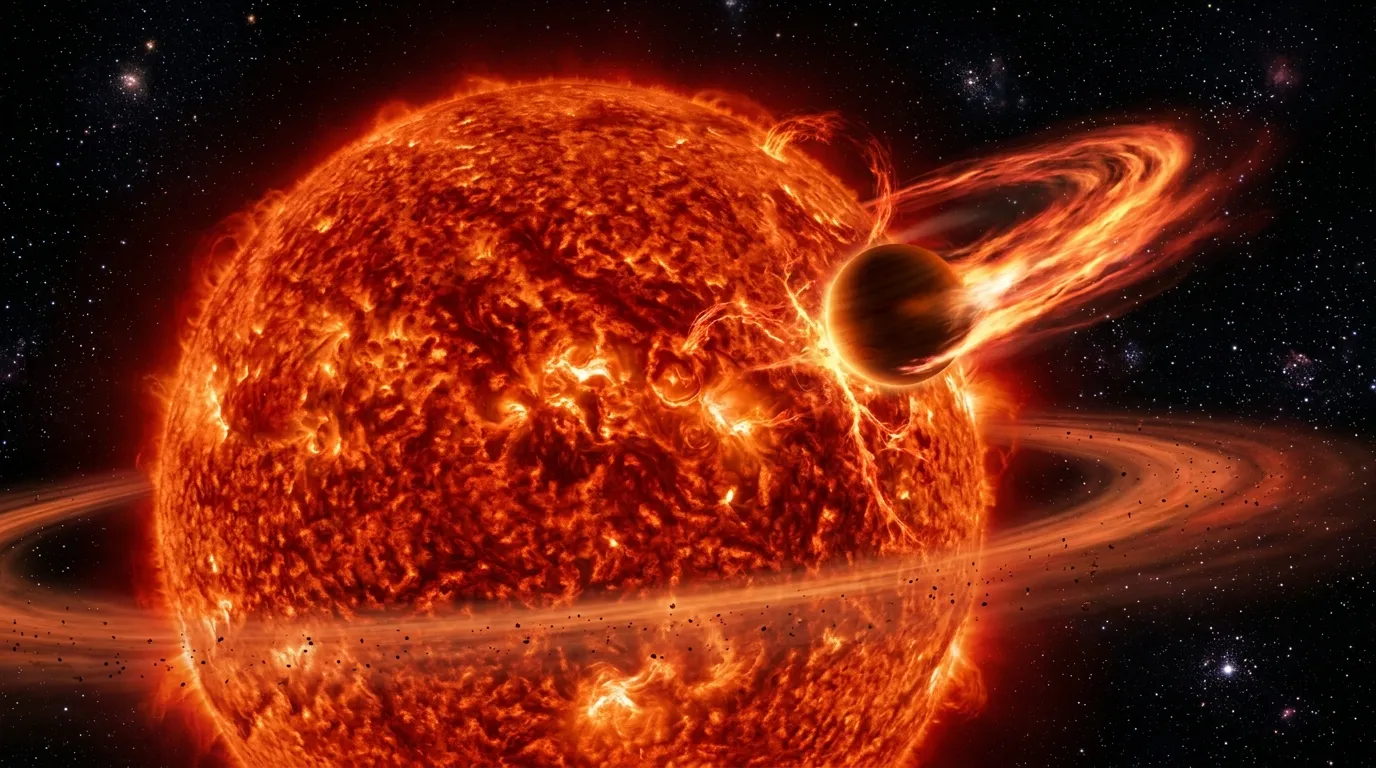
A massive TESS survey of nearly 500,000 aging stars reveals that close-orbiting giant planets vanish as their host stars expand into red giants.
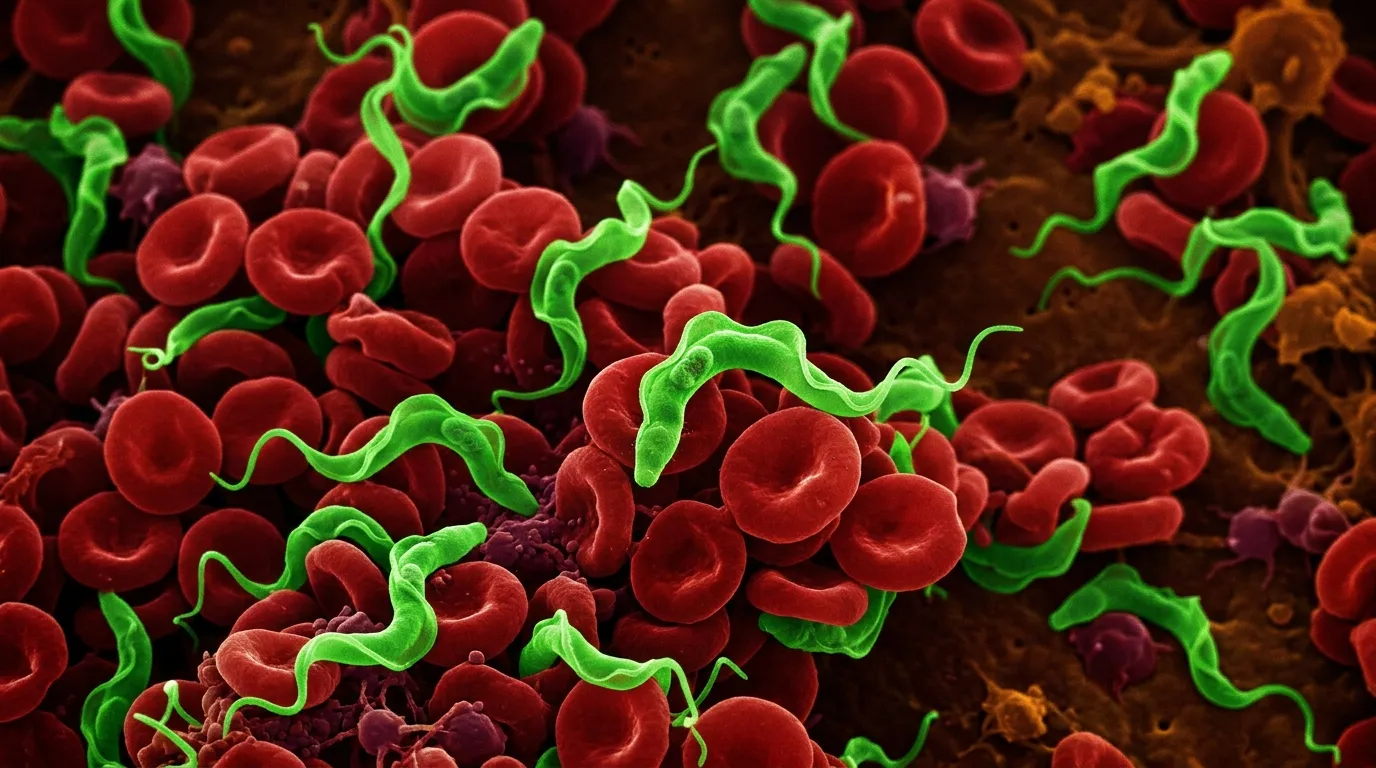
Scientists have solved a 40-year-old mystery about how the sleeping sickness parasite evades the immune system, and the answer is a protein that destroys its own RNA.