
History
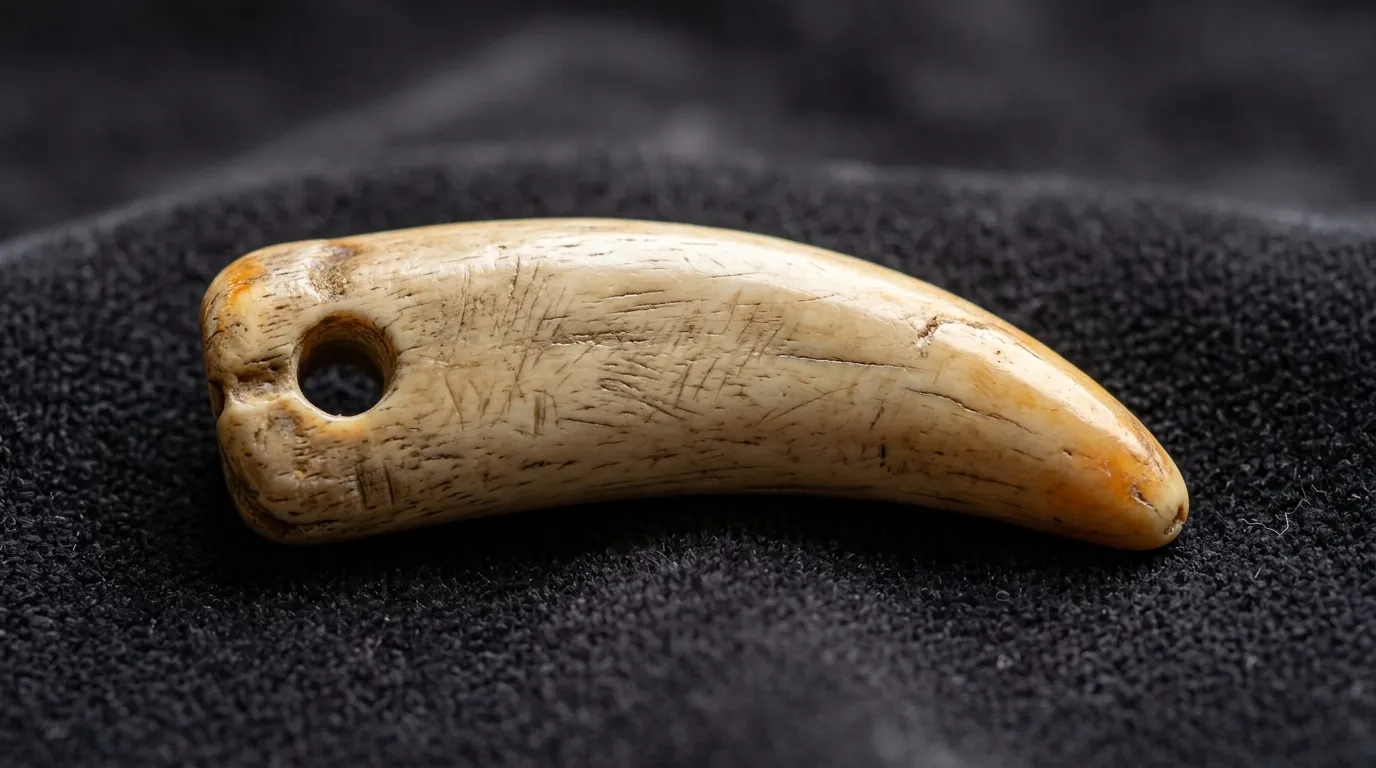
A Seal Tooth in a Cave Rewrites Ice Age Britain
A 15,000-year-old pendant misidentified for 160 years turns out to be from a grey seal, carried 100 kilometers inland. It changes what we know about Magdalenian Britain.
Casey Cooper·
A 15,000-year-old pendant misidentified for 160 years turns out to be from a grey seal, carried 100 kilometers inland. It changes what we know about Magdalenian Britain.
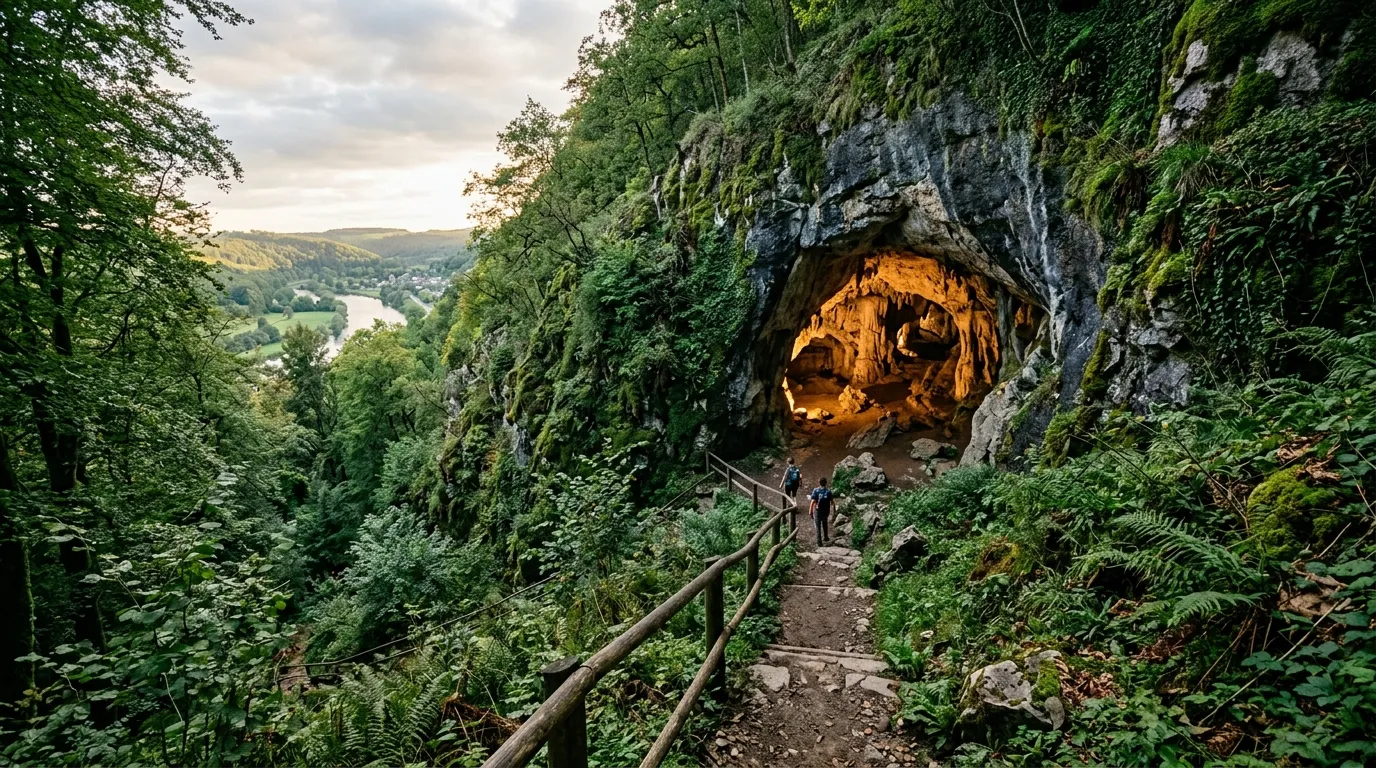
A reanalysis of 41,000-year-old bones from Belgium's Goyet cave reveals that Neanderthals selectively butchered women and children from a rival group, the strongest evidence yet for inter-group warfare in our closest relatives.
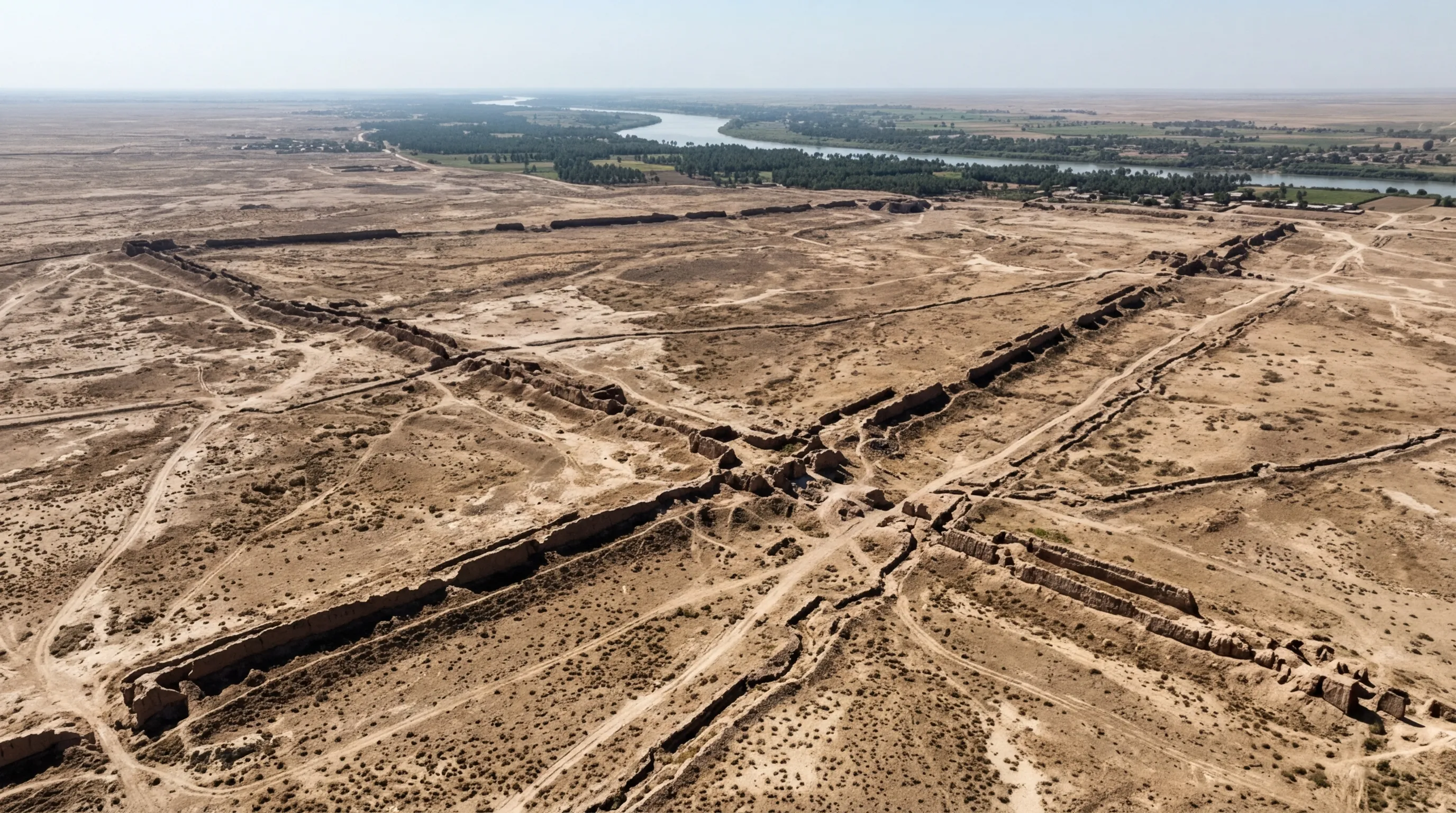
Archaeologists have confirmed the location of Alexandria on the Tigris, a massive trade port that once rivaled its Egyptian namesake. Then war shut the dig down again.
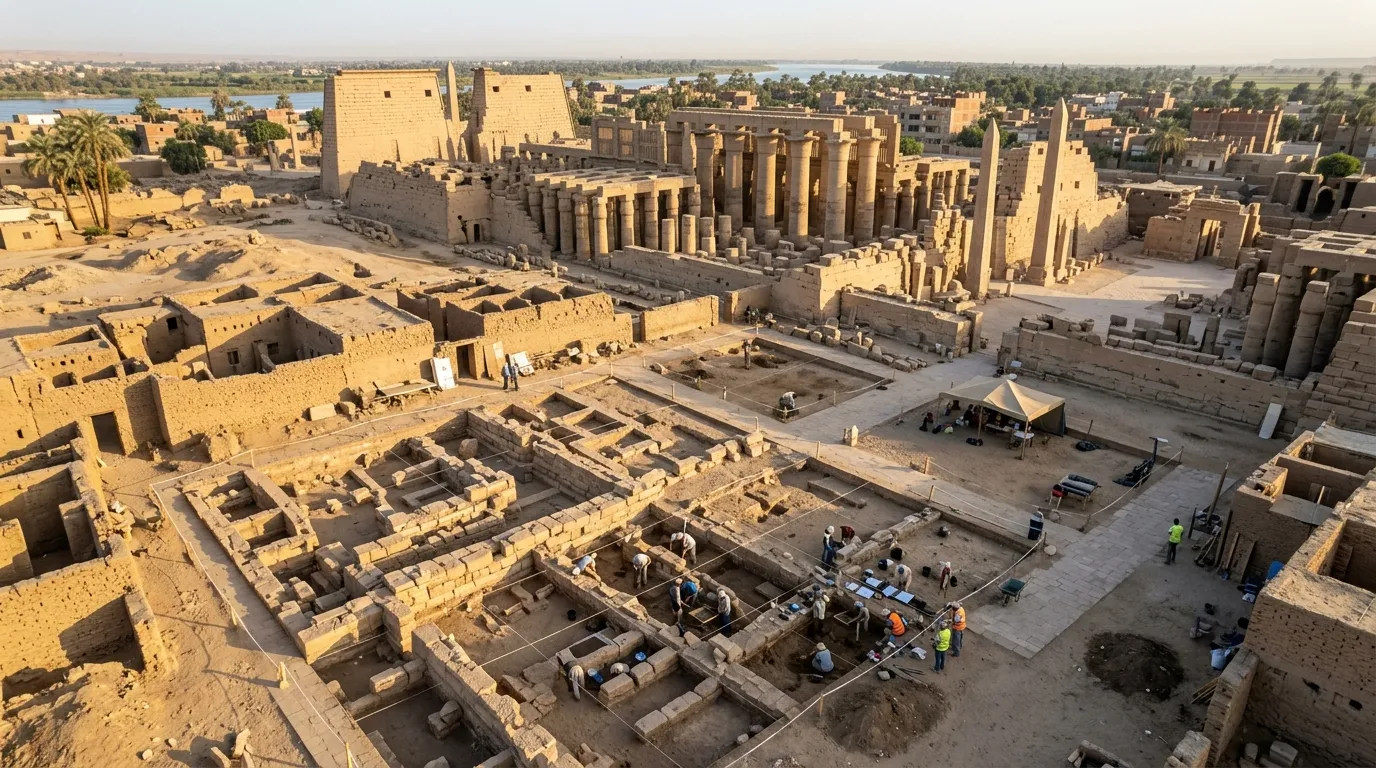
After eight years of digging, an Egyptian-Chinese team uncovered a hidden sacred lake at Karnak, forming the first twin-lake layout ever found in Egyptian archaeology.
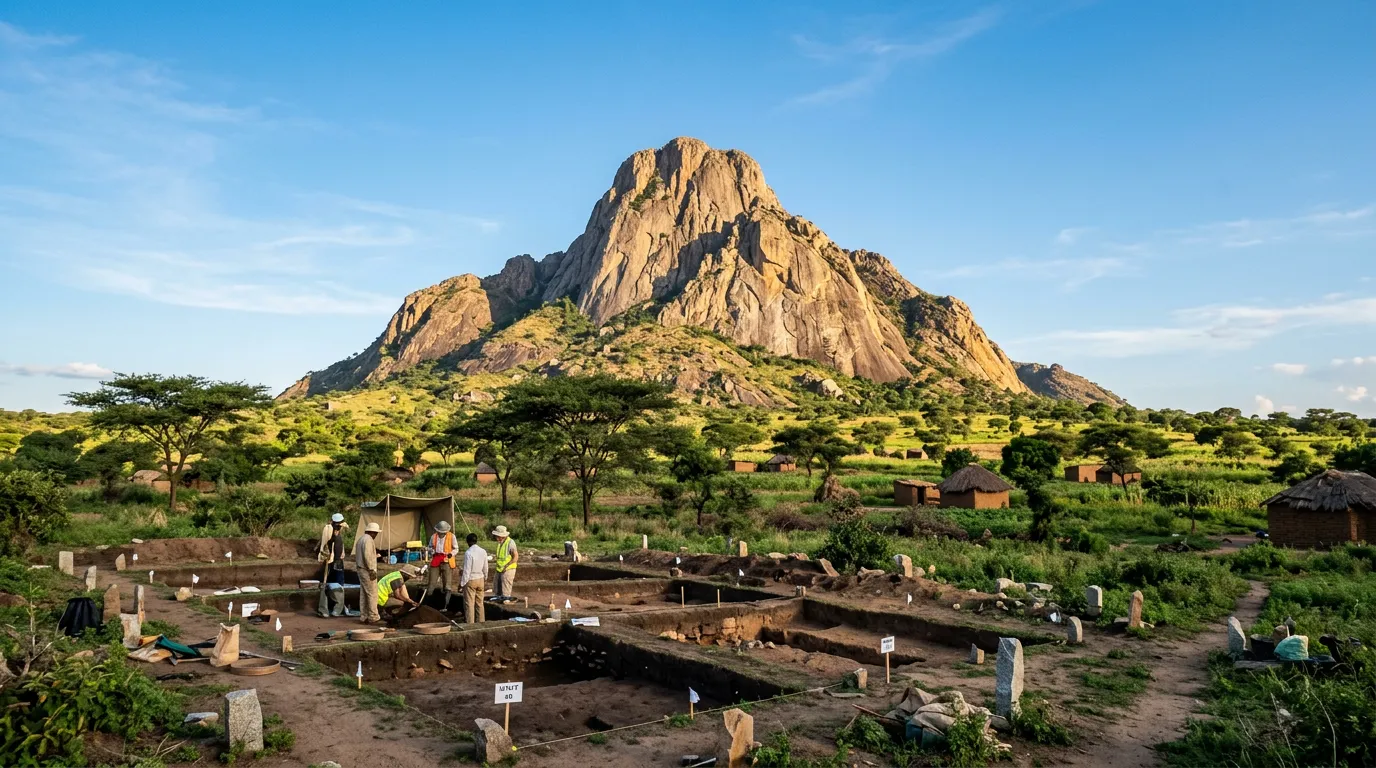
The oldest known cremation in Africa, discovered at Mount Hora, reveals a ritual so elaborate it rewrites our understanding of Stone Age communities and their relationship with death.
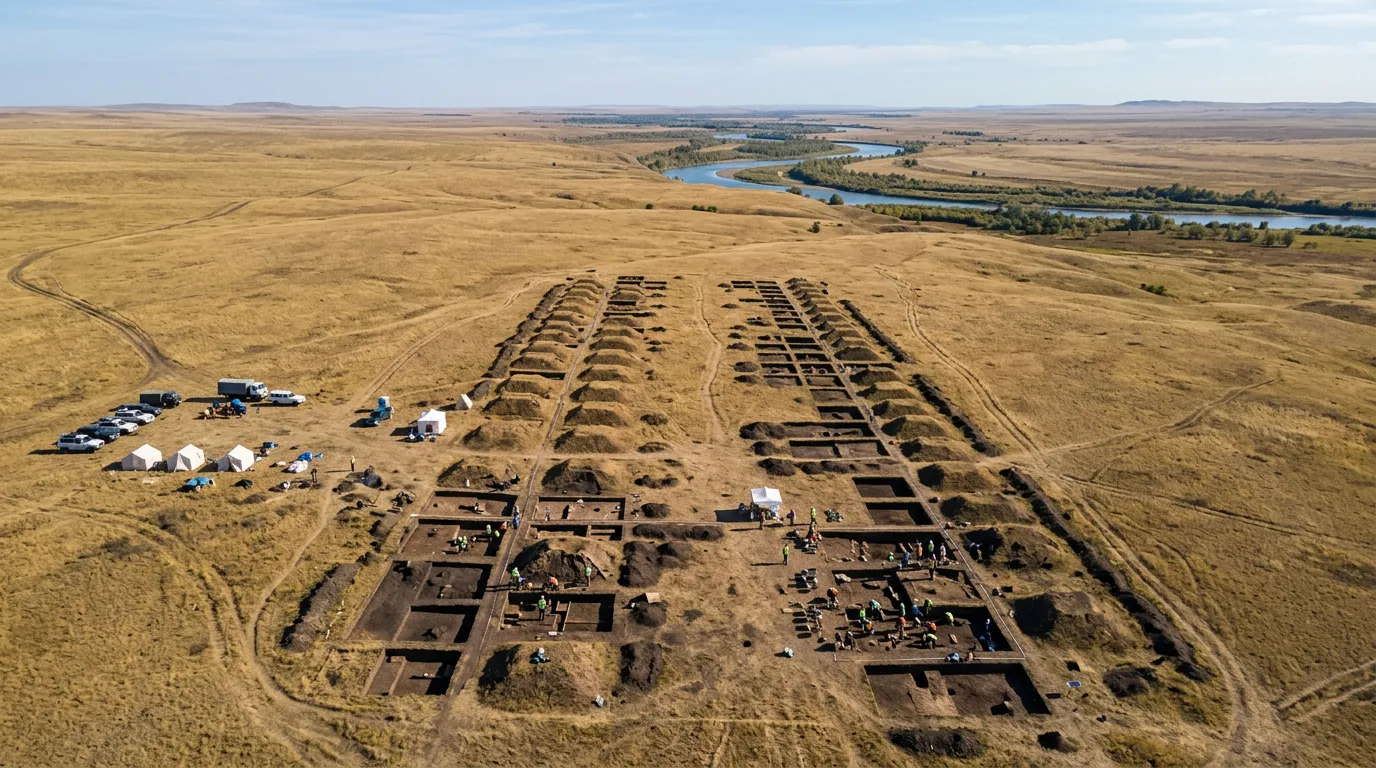
Archaeologists have uncovered Semiyarka, a 140-hectare Bronze Age settlement in Kazakhstan that challenges everything we thought we knew about ancient steppe societies.
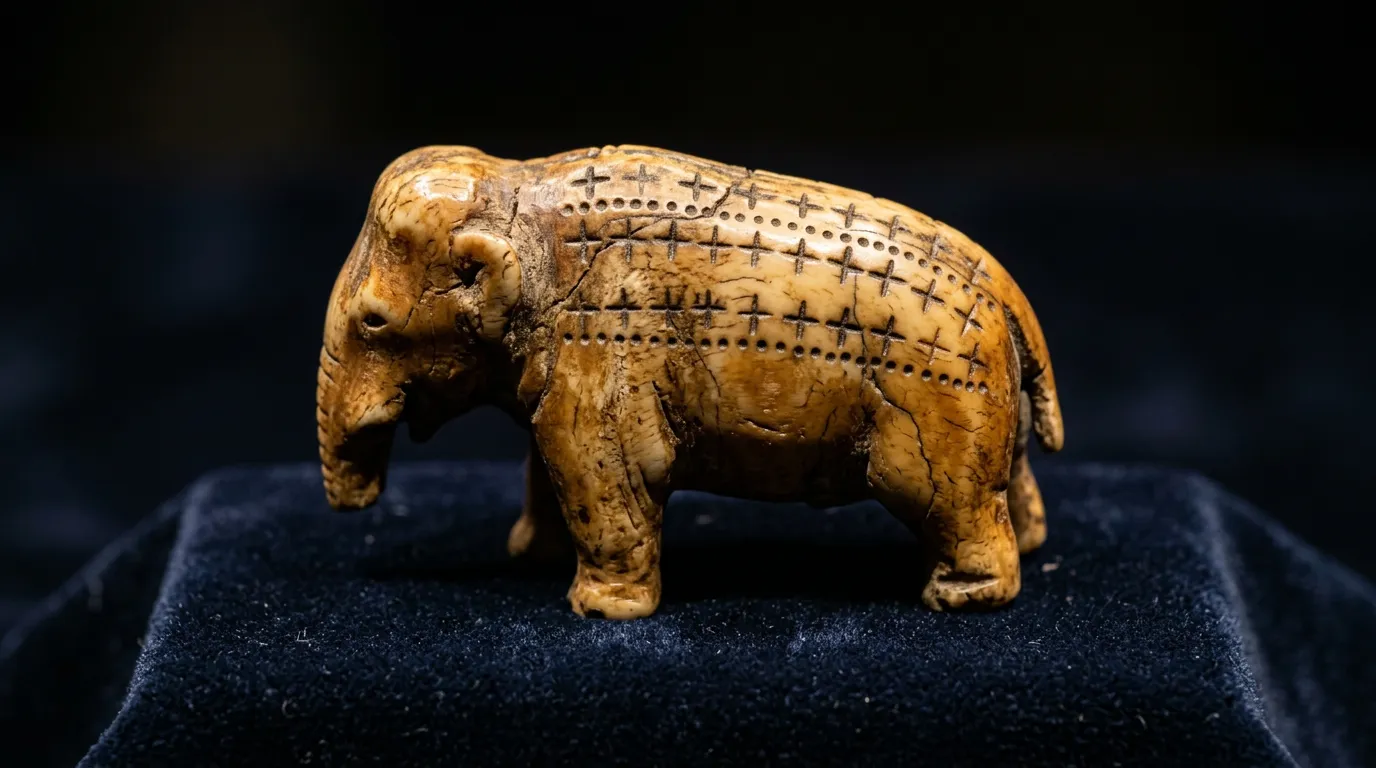
A computational analysis of 3,000 carved marks on Aurignacian artifacts reveals a 22-symbol inventory with rule-governed placement, pushing structured symbolic communication back 10,000 years.
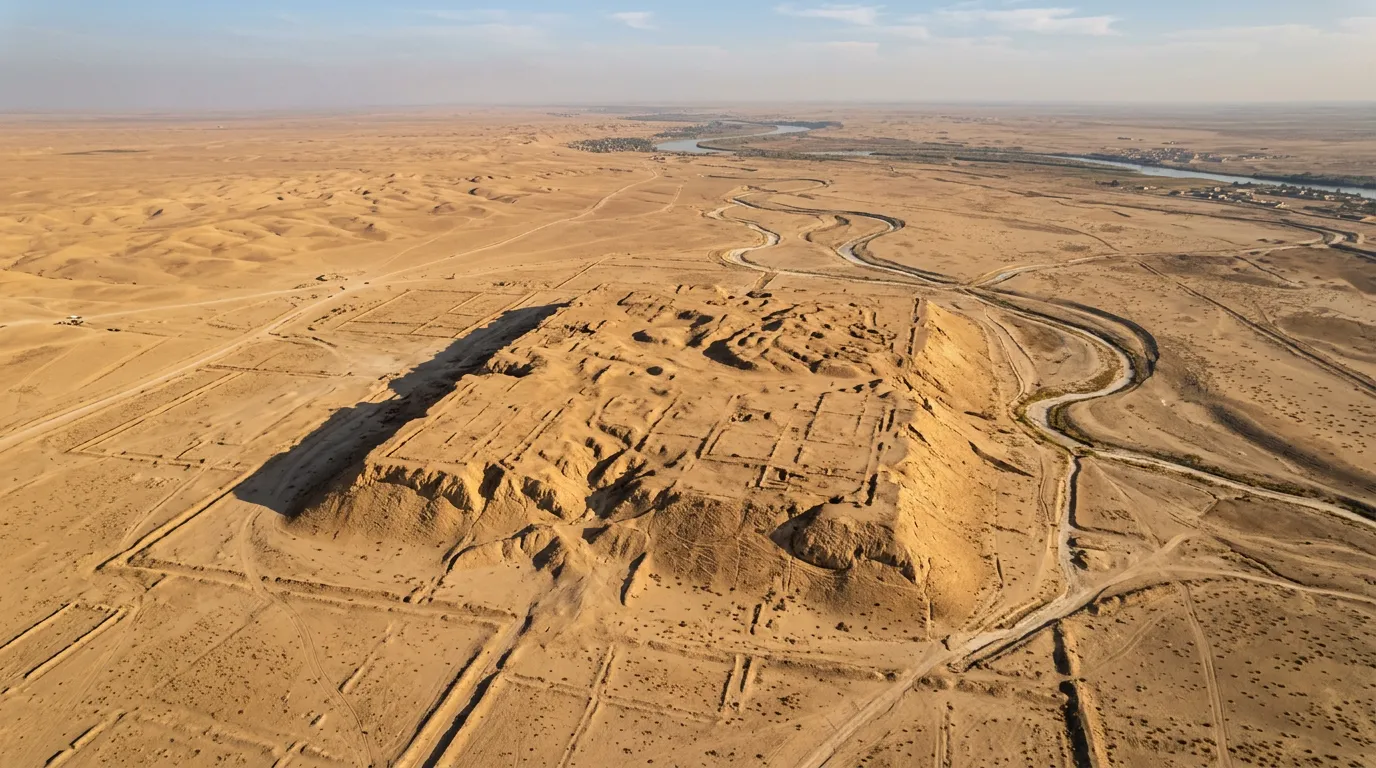
Archaeologists have identified the remains of Charax Spasinou, a massive port city founded during Alexander's campaigns that controlled nearly all maritime trade entering Mesopotamia for 600 years.
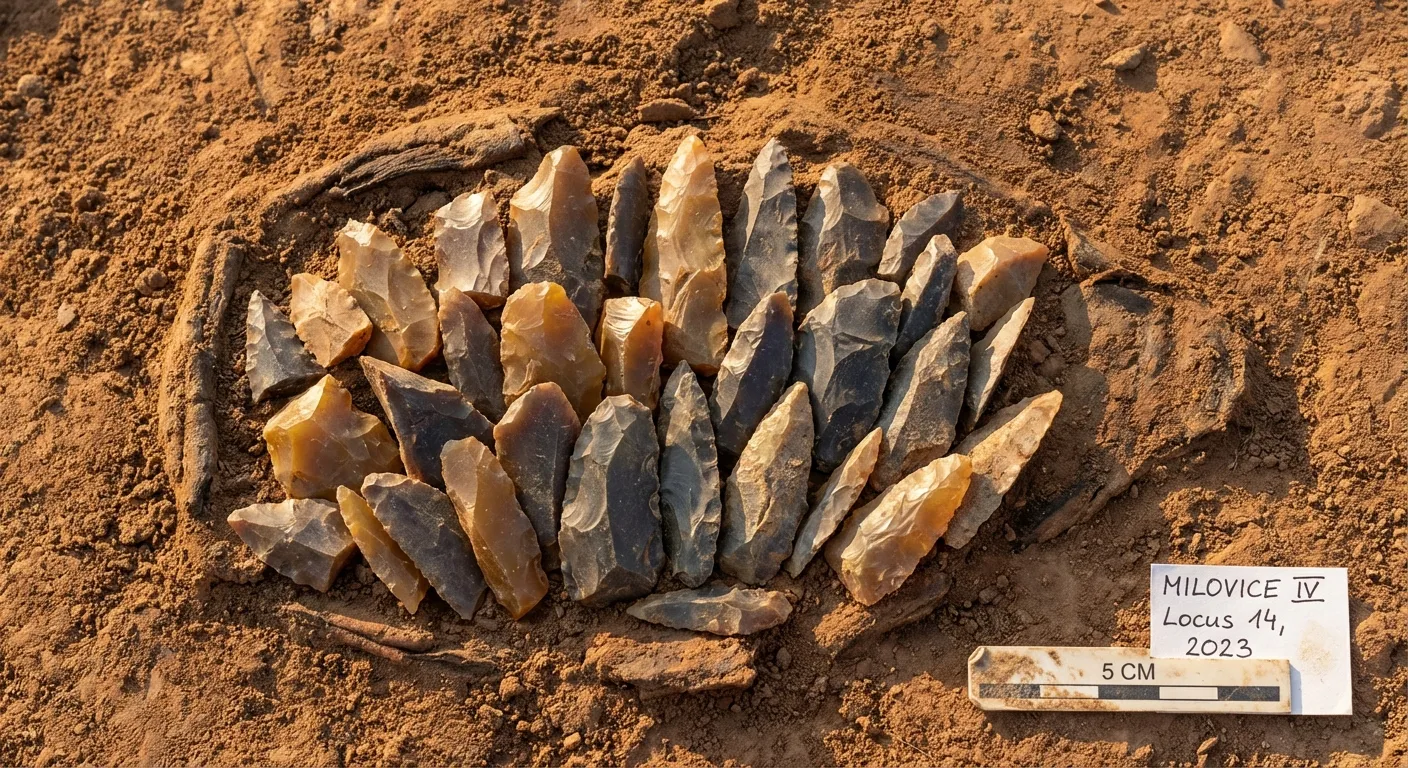
A tightly packed cluster of blades found in the Czech Republic preserves the complete personal gear of a single Gravettian hunter, offering one of archaeology's rarest glimpses into individual Stone Age life.
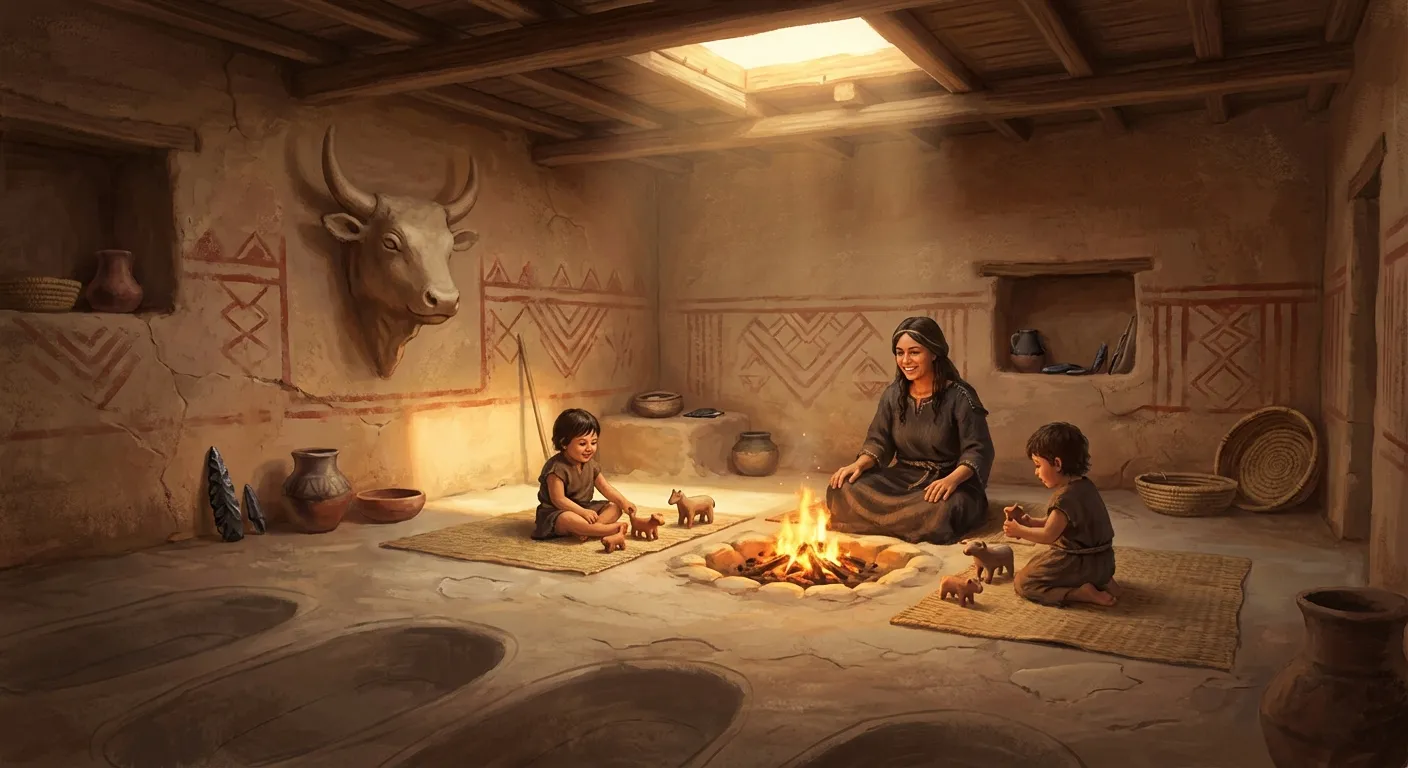
Genetic analysis of 131 skeletons from a 9,000-year-old Turkish settlement proves that the earliest farming communities organized around mothers, not fathers.
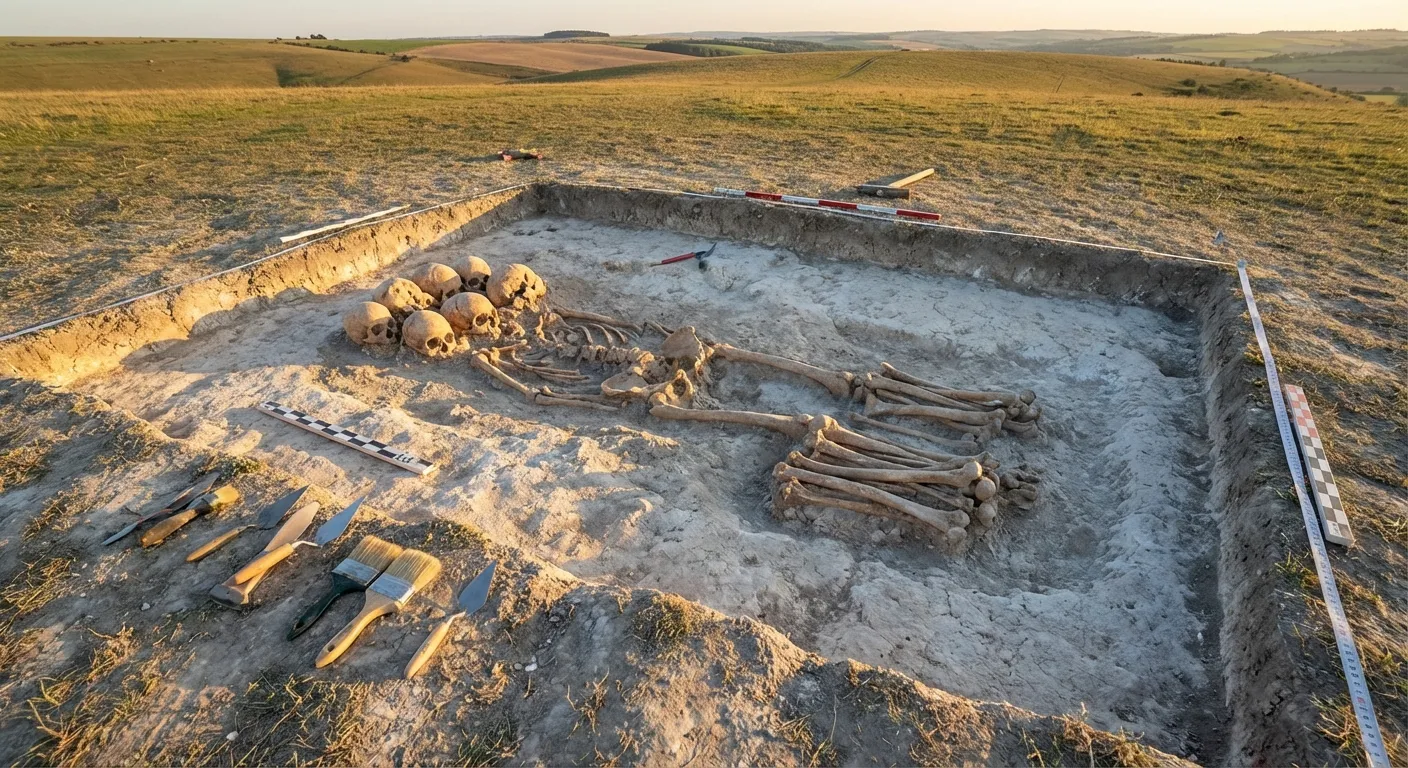
Ten bodies in a shallow grave. Severed heads. A giant with a hole drilled in his skull. A training dig for archaeology students uncovered a Viking Age mystery that raises more questions than it answers.
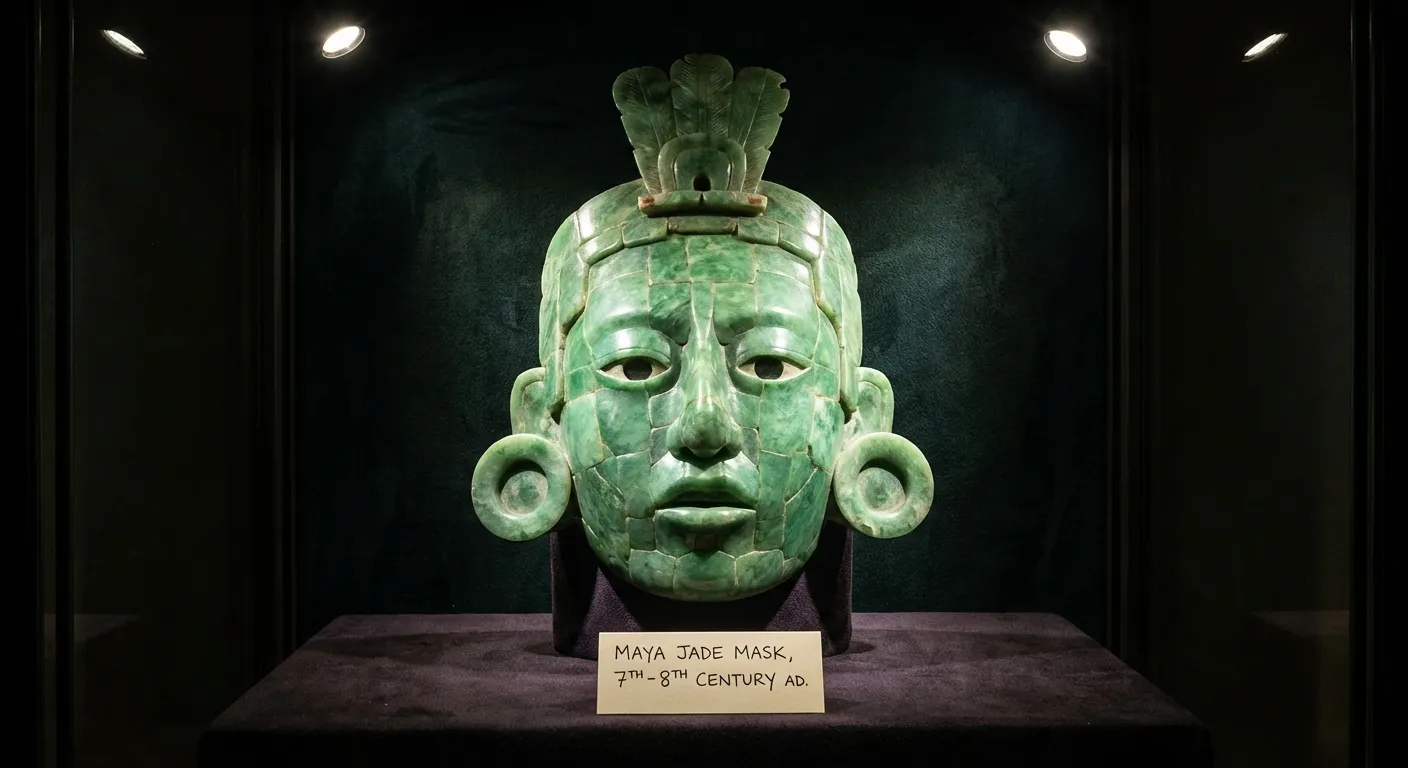
Archaeologists have found the tomb of Te K'ab Chaak, the 'Tree Branch Rain God' who founded one of the Maya's greatest cities. His jade death mask tells a story 17 centuries old.
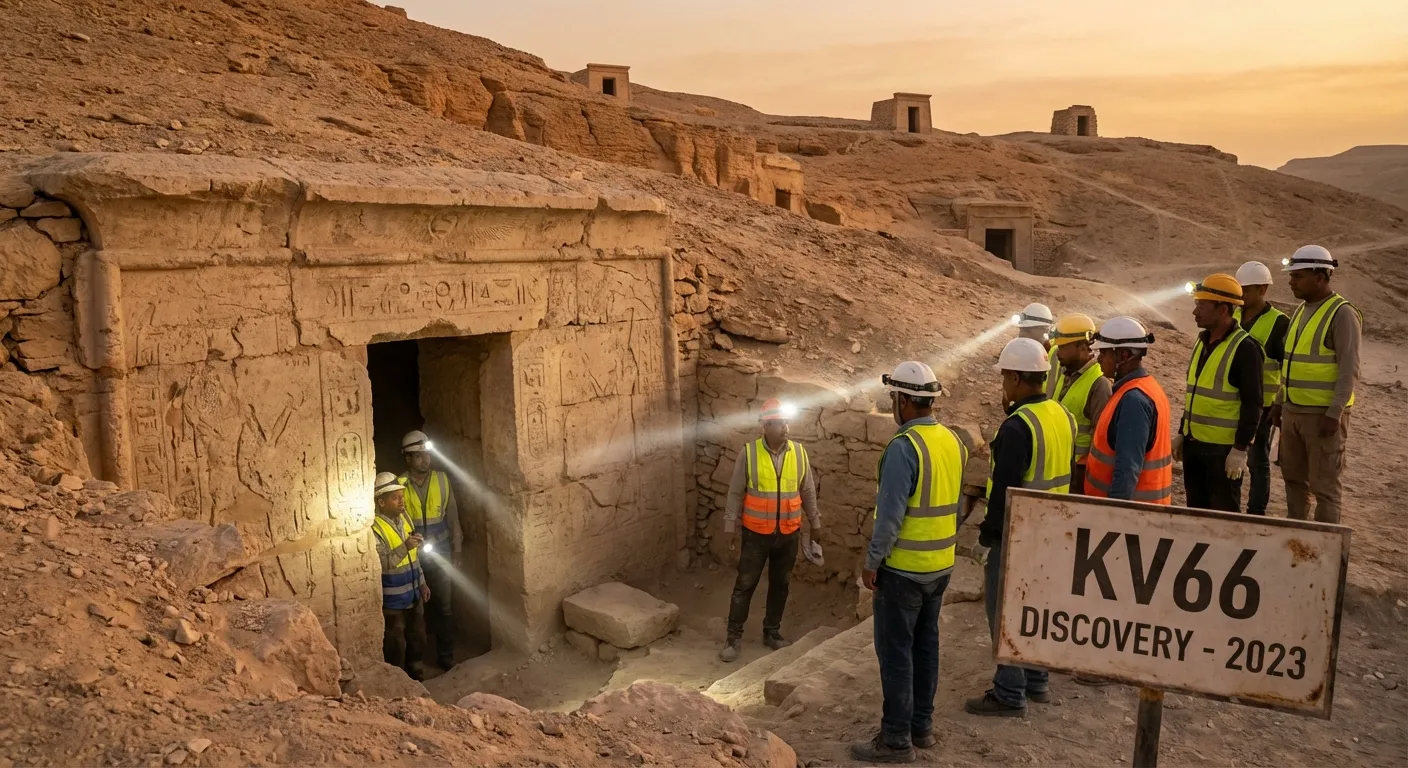
For a century, everyone assumed the Valley of the Kings had given up its secrets. Then archaeologists found Thutmose II, great-great-great-great-great grandfather of King Tut.
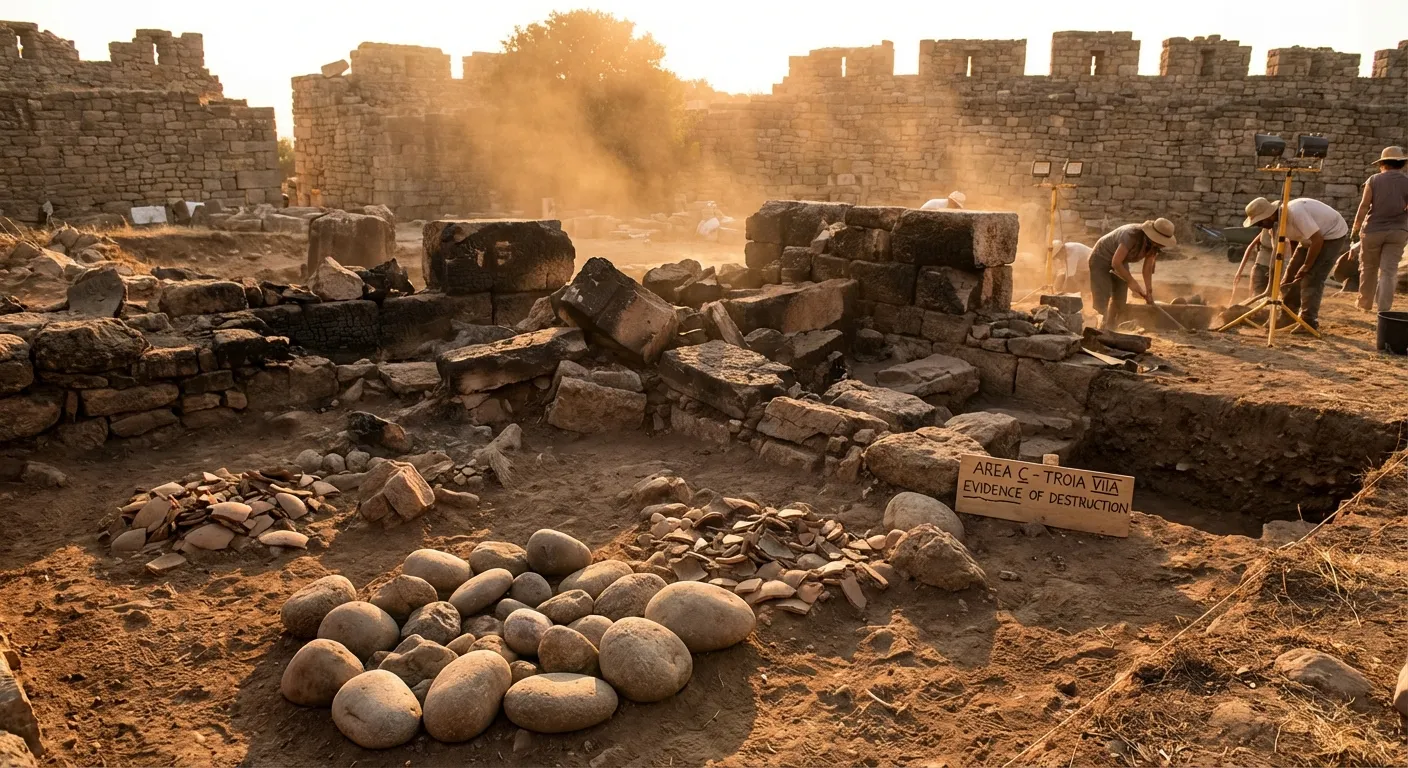
Thousands of 3,500-year-old sling stones piled outside palace walls. Arrowheads. Burned buildings. Hasty burials. Homer's Iliad may have been history all along.
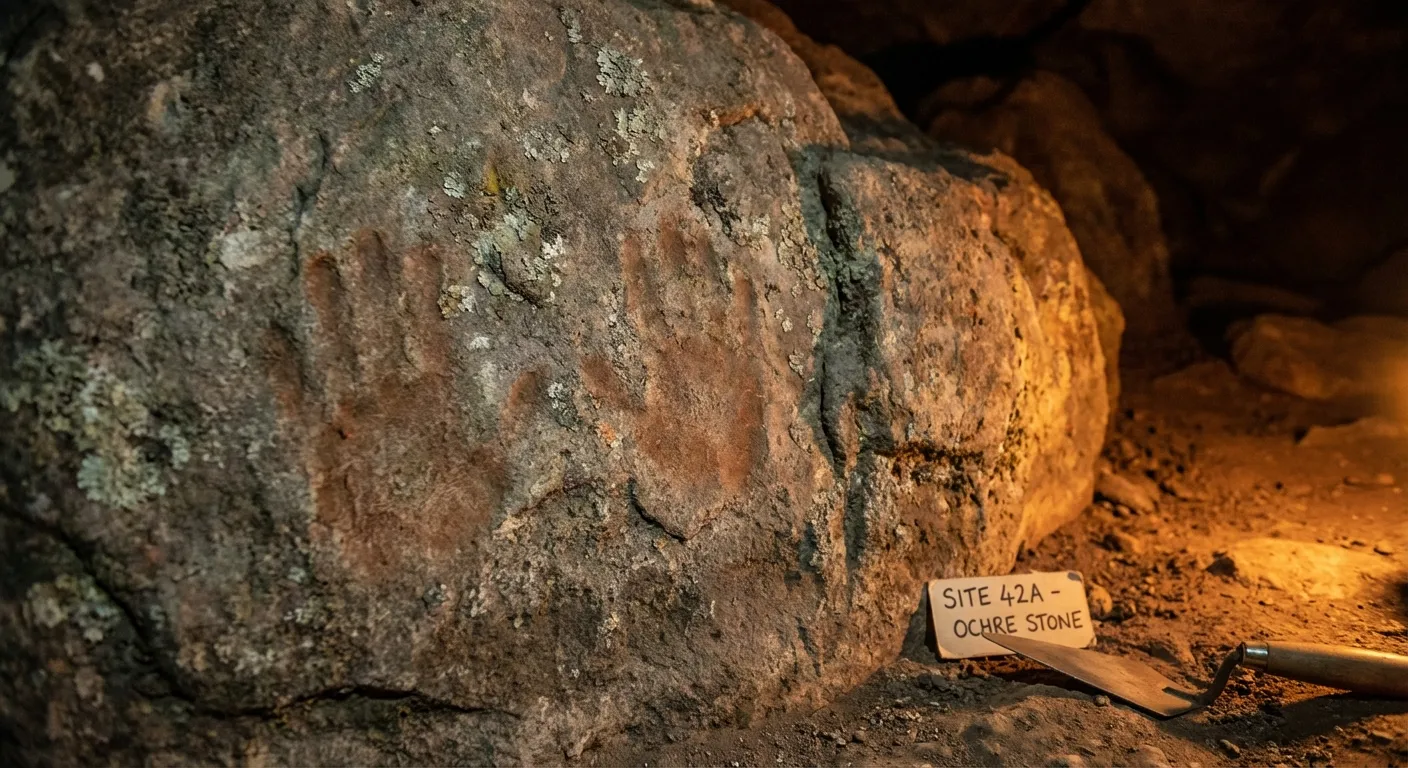
A Neanderthal pressed their ochre-stained finger onto a stone in Spain. Researchers now argue it's one of the oldest known artistic expressions.
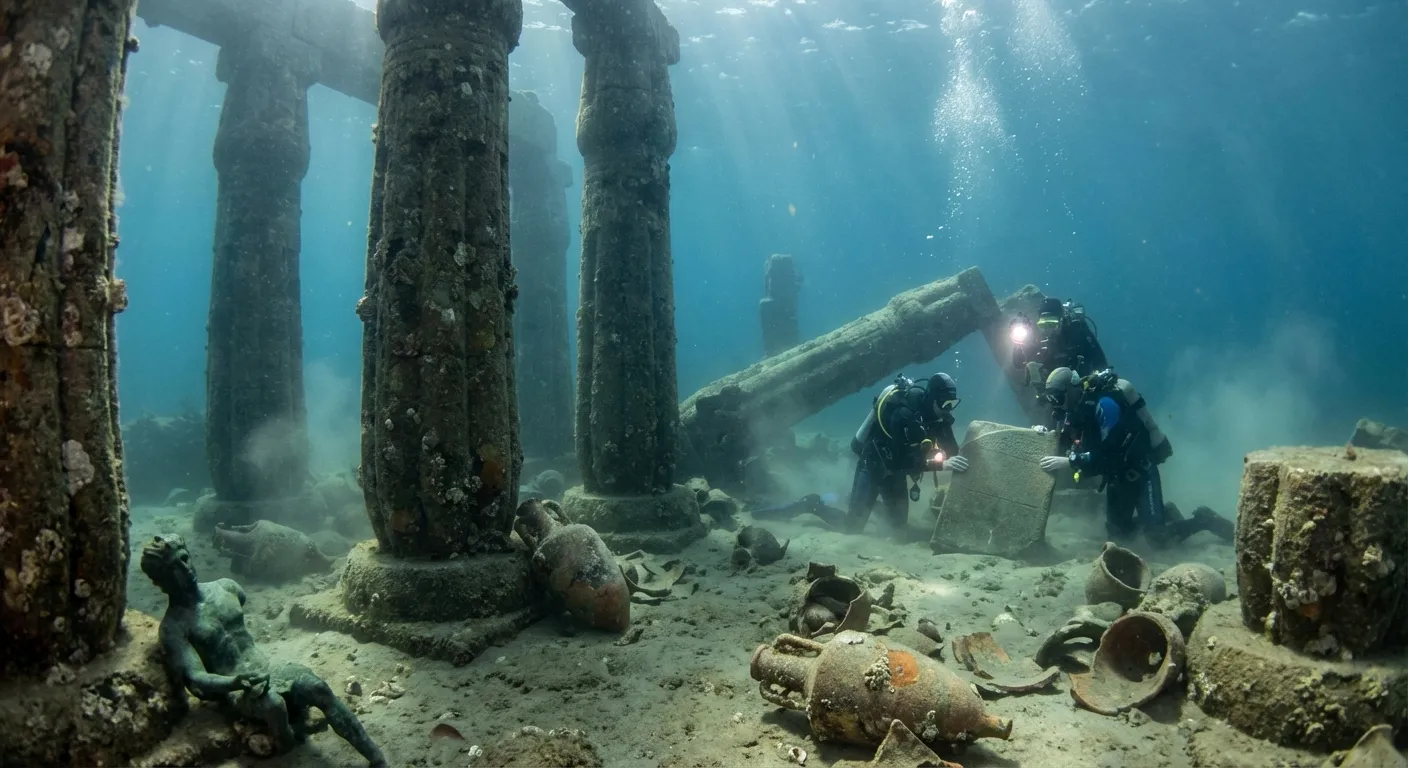
Bob Ballard, who found the Titanic, is now searching for the most famous lost tomb in history. What they've found is remarkable.
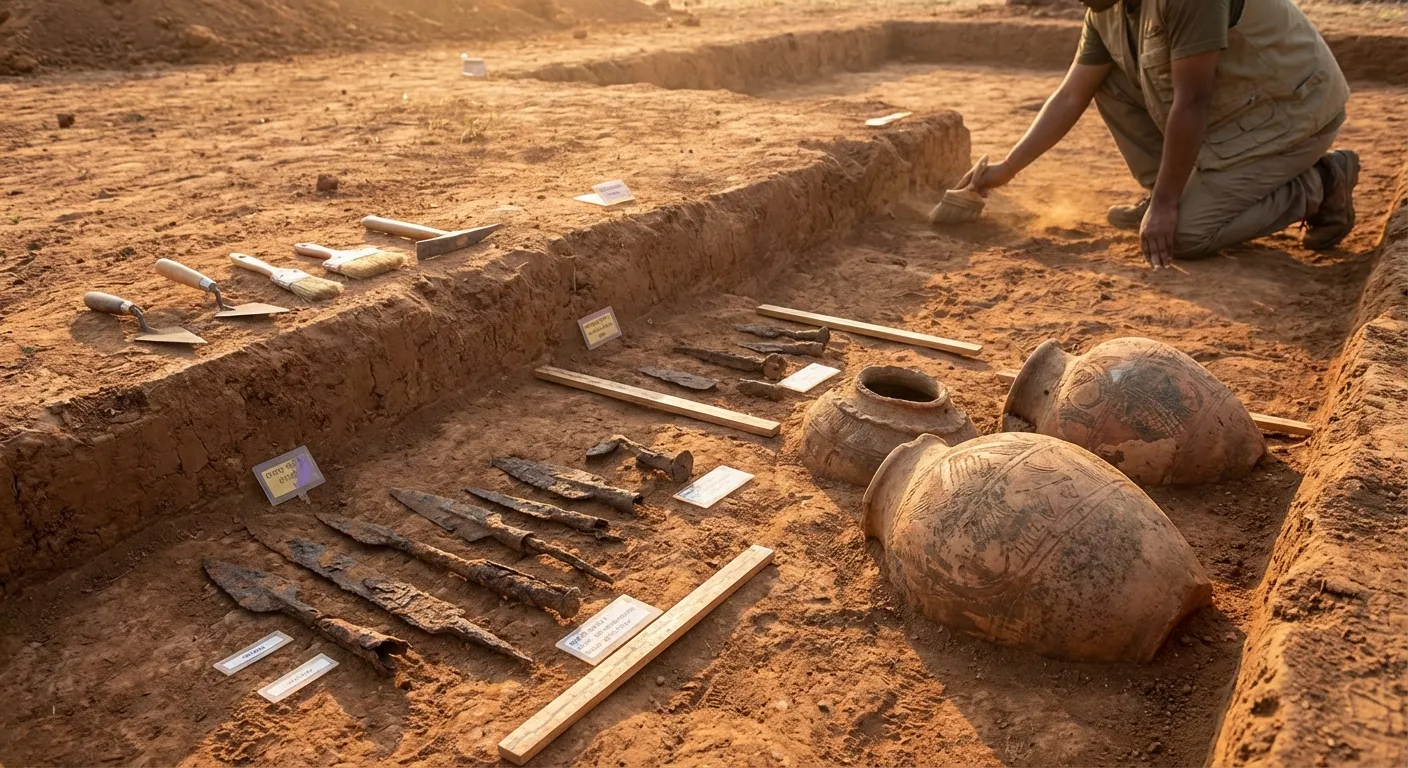
Carbon dating from a Tamil Nadu archaeological site suggests iron technology in India may predate the accepted timeline by nearly 2,000 years, challenging everything we thought we knew.
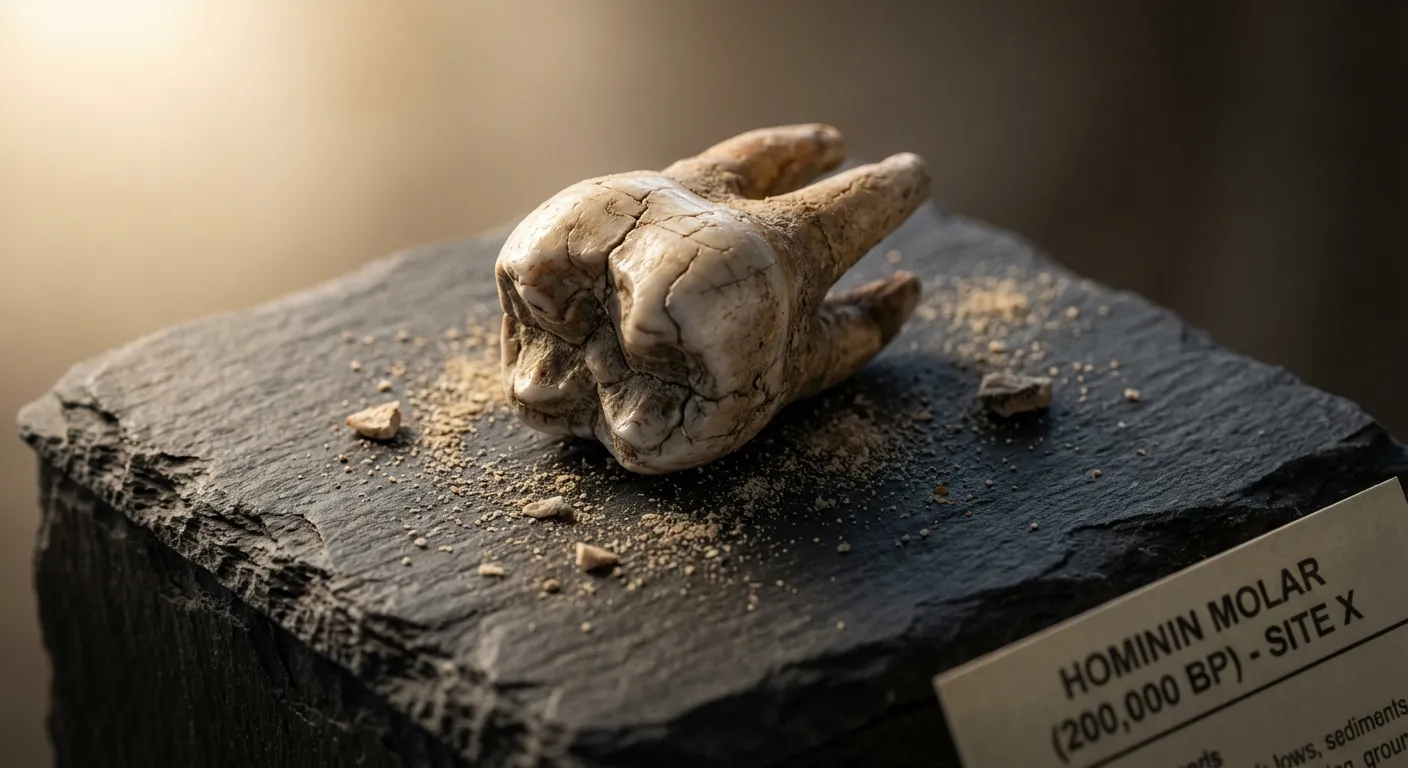
A molar found in a Siberian cave has yielded the oldest high-coverage ancient genome ever sequenced, rewriting our understanding of human evolution's most mysterious relatives.
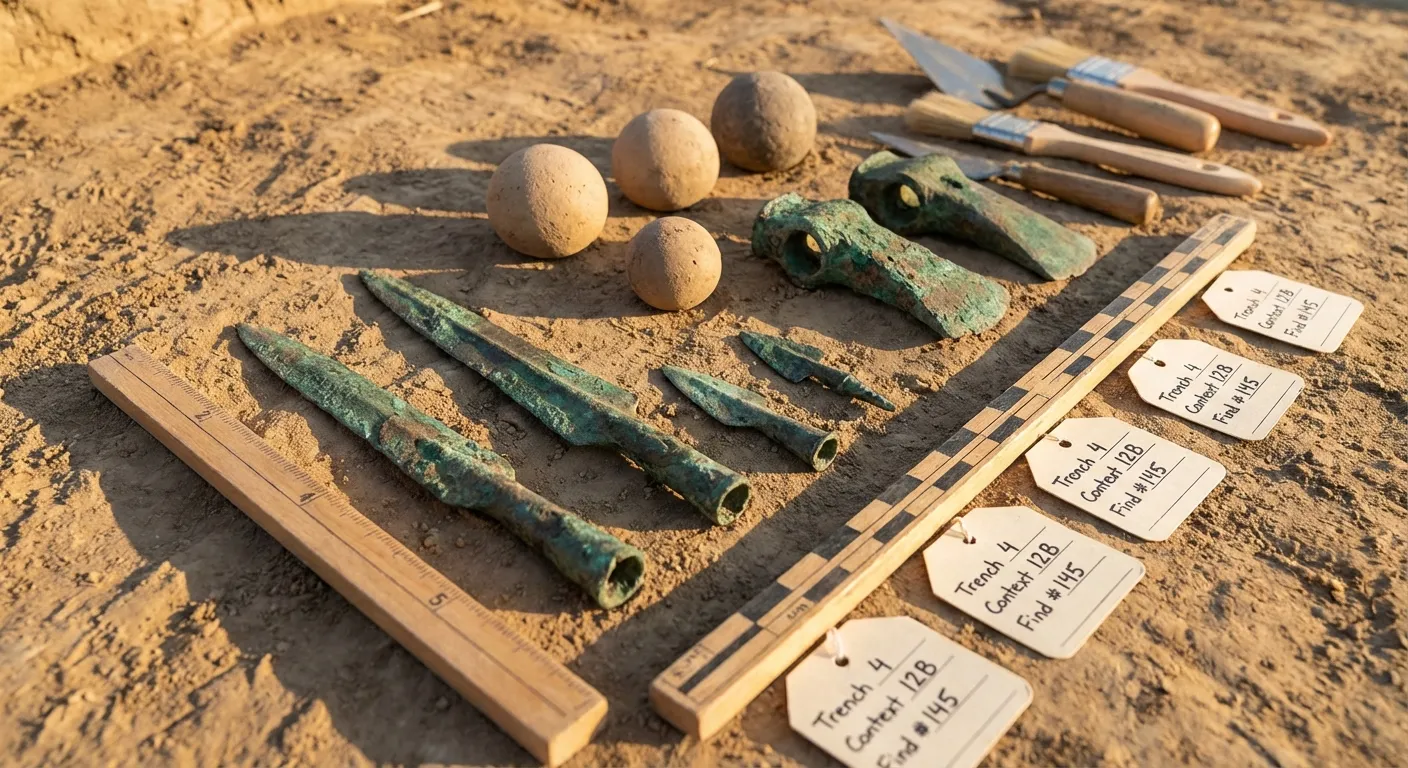
Fresh excavations at Troy have uncovered thousands of sling stones, arrowheads, and hastily buried bodies dating to exactly when the Greeks said the war happened.

After years of scanning with cosmic rays and advanced technology, researchers are finally ready to reveal what lies inside Khufu's most mysterious void.